 EN
EN
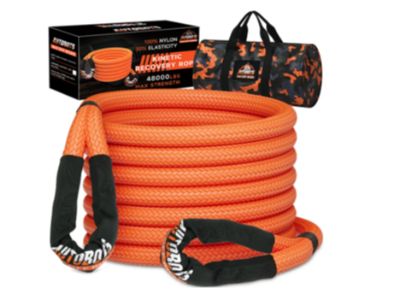
When buying kinetic ropes in bulk, it is important to understand exactly what you are purchasing. Huilisheng manufactures high-quality kinetic ropes that are designed for strength, safety, and reliable performance across a wide range of applications. Unlike standard tow ropes, kinetic ropes are engineered to stretch under load, allowing them to absorb and release energy during vehicle recovery. This unique feature makes them ideal for towing vehicles, off-road recovery, and rescue operations. One of the most important factors to consider when purchasing kinetic ropes is the load rating. A load rating indicates the maximum weight a rope can safely handle during operation. Choosing a rope with an incorrect load rating can result in equipment failure, property damage, or serious injury. Understanding load ratings helps ensure that you select the safest and most suitable rope for your application. Huilisheng offers kinetic ropes with a variety of load ratings, making it easier to find the right solution for every project
How to Choose the Right Kinetic Rope for Bulk Purchases
Selecting the right kinetic rope for a bulk purchase requires careful planning. The first step is identifying the intended application. If the ropes will be used for recovering heavy trucks or large off-road vehicles, choose a kinetic rope and kinetic energy tow rope with a higher load rating. Huilisheng offers models capable of handling loads of up to 30,000 pounds, providing reliable performance for demanding recovery tasks. Rope length is another important consideration. Longer kinetic ropes provide greater flexibility during recovery operations and allow for better energy transfer. However, they are also heavier and may be more difficult to store and handle. Huilisheng offers kinetic ropes in multiple lengths, allowing buyers to select the option that best matches their operational requirements. Material quality also plays a major role in performance and durability. Huilisheng manufactures its kinetic ropes using premium nylon, a material known for its excellent elasticity, high tensile strength, and resistance to wear. Nylon kinetic ropes perform exceptionally well in harsh environments, making them suitable for professional recovery teams and industrial applications. Finally, consider how frequently the ropes will be used. Organizations that perform regular recovery operations should invest in higher-quality kinetic ropes. Although premium ropes may have a higher initial cost, they typically provide a longer service life, reducing replacement costs and delivering better long-term value
Common Issues When Using Kinetic Ropes and How to Avoid Them
Although kinetic ropes are highly effective recovery tools, improper use can create safety risks. One of the most common mistakes is using a rope with an insufficient load rating. For example, attempting to recover a heavy truck with a rope designed for lighter vehicles may cause the rope to fail under excessive tension. Such failures can result in serious accidents or equipment damage. Another common issue is poor maintenance. Kinetic ropes and kinetic recovery strap should be inspected before every use for signs of wear, cuts, abrasions, or fraying. Damaged ropes should never be used, as their strength may be significantly reduced. Huilisheng recommends performing regular inspections to ensure every rope remains in safe operating condition. Improper knotting or incorrect attachment methods can also compromise safety. Loose or poorly tied connections may slip during recovery operations. Huilisheng provides detailed instructions for proper attachment techniques to help users perform safe and effective recoveries. Proper storage is equally important. Kinetic ropes should be stored in a clean, dry, and cool environment away from direct sunlight and chemicals. Correct storage practices help preserve the rope's elasticity and extend its service life
Why Load Ratings Matter for Kinetic Ropes
Load ratings are one of the most critical specifications when selecting kinetic energy rope recovery. They indicate the maximum safe working capacity of the rope and help users match the equipment to the recovery task. This is especially important for businesses purchasing kinetic ropes in bulk. Using a rope with a load rating that is too low increases the risk of failure during recovery. A rope that breaks under tension can cause significant damage to vehicles and create dangerous conditions for nearby operators. Conversely, selecting a kinetic rope with the appropriate load rating ensures that it can safely absorb recovery forces while maintaining optimal performance. Huilisheng clearly labels the load ratings of every kinetic rope, allowing customers to choose products that meet their operational requirements. Understanding these ratings not only improves workplace safety but also increases recovery efficiency by ensuring each rope performs as intended. For wholesale buyers, selecting the correct load ratings across multiple rope sizes helps create a versatile inventory capable of supporting different vehicle types and recovery situations
What to Consider When Sourcing Kinetic Ropes in Bulk
Several factors should be evaluated before purchasing kinetic ropes in large quantities. Begin by identifying the primary applications. Different recovery tasks require different rope specifications. Heavy-duty vehicle recovery requires higher load ratings, while lighter recovery work may only require smaller ropes. Material quality is another essential consideration. Premium nylon provides superior elasticity, durability, and resistance to abrasion, making it the preferred material for professional-grade kinetic ropes. Huilisheng manufactures its ropes using high-quality nylon to ensure consistent performance under demanding conditions. Length should also be selected according to operational needs. Some recovery situations require longer ropes to provide additional working distance and flexibility. Maintaining a variety of rope lengths allows businesses to handle diverse recovery scenarios efficiently. Purchasing in bulk can reduce overall costs, but buyers should carefully estimate inventory requirements to avoid overstocking or shortages. Working with an experienced manufacturer like Huilisheng provides access to expert guidance on load ratings, specifications, and product selection, helping buyers make informed purchasing decisions
Safety Tips for Using Kinetic Ropes
Safety should always be the highest priority during vehicle recovery operations. Before every use, carefully verify that the kinetic rope's load rating exceeds the weight and recovery requirements of the vehicle being pulled. Choosing the correct load rating significantly reduces the risk of rope failure. Inspect every kinetic rope before use. Look for cuts, fraying, abrasions, discoloration, or other signs of damage. Any rope showing excessive wear should be removed from service immediately. Ensure that all recovery points, shackles, and attachments are properly secured before beginning the recovery process. Follow Huilisheng's recommended operating procedures to maximize safety and equipment performance. Everyone involved in the recovery should maintain a safe distance from the rope while it is under tension. In the unlikely event of equipment failure, standing clear helps prevent injuries. By understanding load ratings, selecting the appropriate kinetic rope, performing regular inspections, and following proper recovery procedures, users can improve safety, increase operational efficiency, and maximize the long-term performance of Huilisheng kinetic ropes.