
Das Ziehen eines Anhängers – ob es sich um einen Wochenendausflug mit dem Boot, einen schweren Arbeitsanhänger oder eine quer durchs Land führende Wohnwagenreise handelt – erfordert mehr als nur ein leistungsstarkes Fahrzeug und eine robuste Anhängerkupplung. Der Verbindungspunkt zwischen Ihrem Fahrzeug und Ihrem Anhänger ist der Ort, an dem Sicherheit und Leistung zusammentreffen. Diese Verbindung wird hauptsächlich durch die hochwertige Anhängerkupplungs-Kugelstange Die Auswahl der richtigen Ausrüstung ist entscheidend, um sicherzustellen, dass Ihr „Gespann“ auf der Straße stabil, beherrschbar und vor allem sicher bleibt.
Für Lkw-Besitzer in den USA und Australien, wo das Ziehen von Anhängern zum Lebensstil gehört, ist das Verständnis der Feinheiten von schwerlast-Zugbetrieb und Anhängerkupplungs-Kugelzubehör ist unerlässlich. In dieser Anleitung erläutern wir ausführlich, worauf Sie bei der Auswahl des besten Kugelstangensystems für Ihre Anforderungen achten müssen – mit besonderem Augenmerk auf die Zuverlässigkeit, die Autobots 4x4-Anhängerkupplungszubehör bietet.
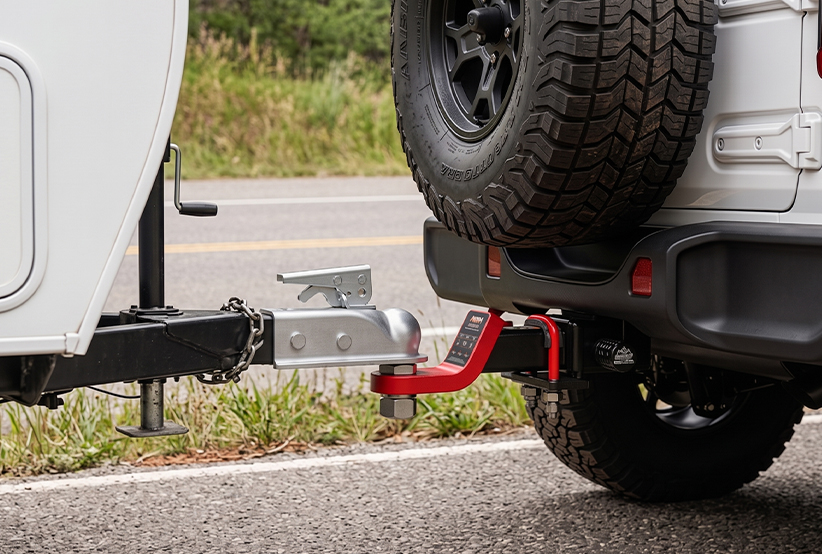
Bevor Sie sich überhaupt ein Kugelstangensystem anschauen, müssen Sie zwei entscheidende Werte kennen: das zulässige Gesamtgewicht des Anhängers (GTW) und das Stützlastgewicht (TW).
Zulässiges Gesamtgewicht des Anhängers (GTW) ist das Gesamtgewicht des Anhängers inklusive seiner Ladung. Stützlastgewicht (TW) ist die nach unten wirkende Kraft, die der Anhängerkupplungsring auf die Kupplungskugel ausübt. Als allgemeine Regel sollte die TW etwa 10 % bis 15 % des GTW betragen. Überschreiten Sie die Tragfähigkeit Ihres anhängerkupplungs-Kugelhalter , besteht die Gefahr eines Versagens der Ausrüstung, was zu katastrophalen Unfällen führen kann.
Autobots 4x4 bietet verschiedene Lösungen für unterschiedliche Gewichtsklassen – typischerweise passend für die gängigen 2-Zoll-Kupplungsempfänger an den meisten modernen Pickups und SUVs. Prüfen Sie stets das Fahrzeughandbuch, um sicherzustellen, dass die Zuglast Ihres Fahrzeugs mit der geplanten Ausrüstung übereinstimmt.
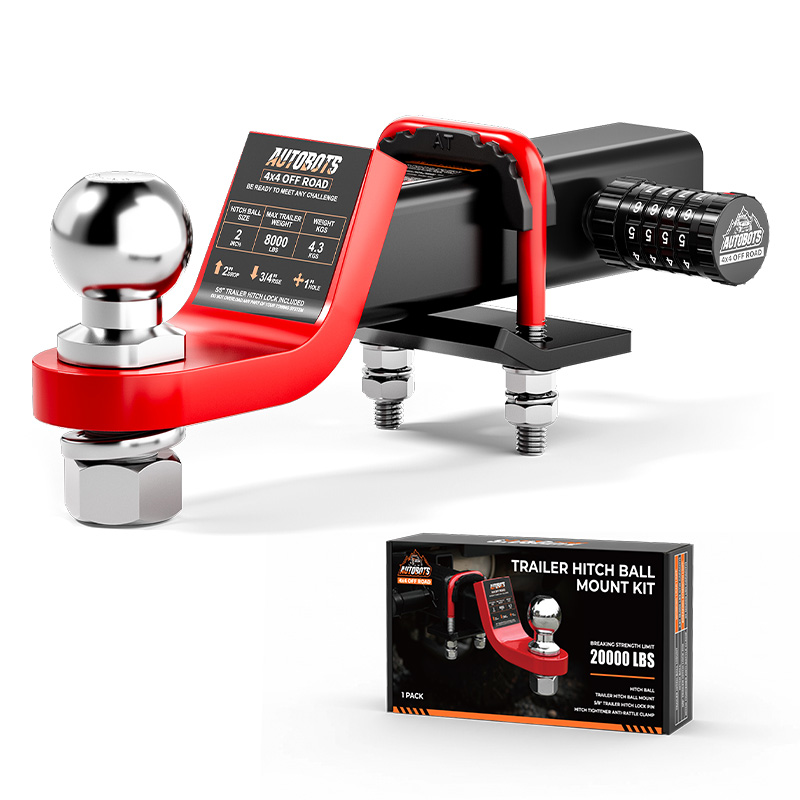
Eine Kugelstange ist ein vermeintlich einfaches Bauteil. Sie besteht aus einem Schaft, der in die Anhängerkupplungsaufnahme gleitet, und einer Plattform, auf der die Kupplungskugel montiert ist. Allerdings sind nicht alle Kugelstangen gleichwertig.
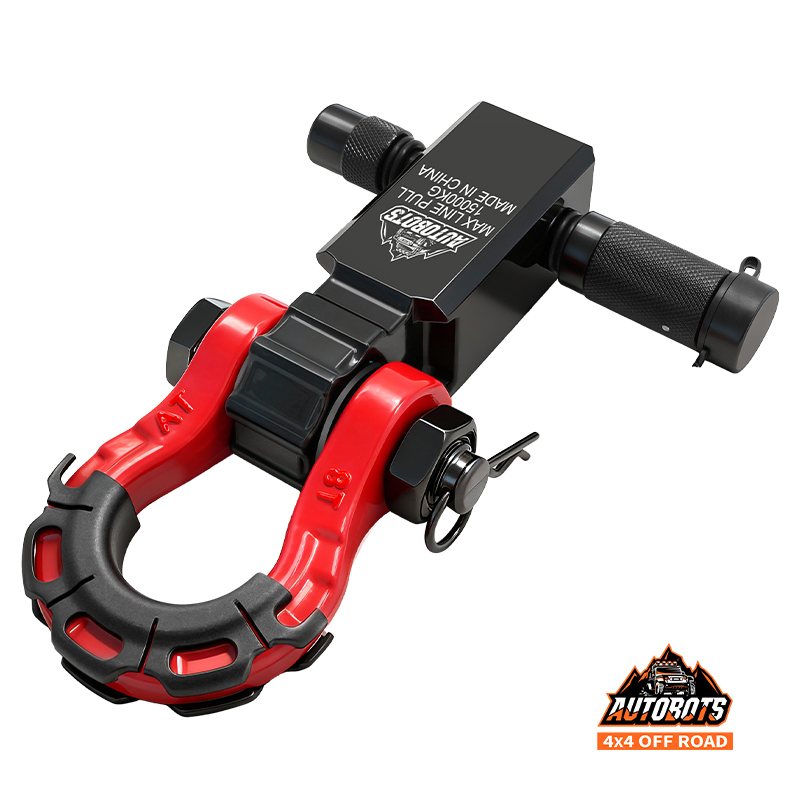
Hochwertige Stangen wie die von Autobots 4x4 bestehen meist aus hochfestem Stahl und sind mit einer langlebigen Pulverbeschichtung versehen, um Rost- und Korrosionsschäden zu widerstehen. Einige fortschrittliche Modelle verfügen sogar über integrierte Abschleppösen oder Kupplungsversteifungen, um das „Klappern“ und die Vibration während des Transports zu reduzieren. Bei schwerem Zugbetrieb , machen diese kleinen Details einen erheblichen Unterschied für Komfort und Lebensdauer Ihrer Zugvorrichtung aus.
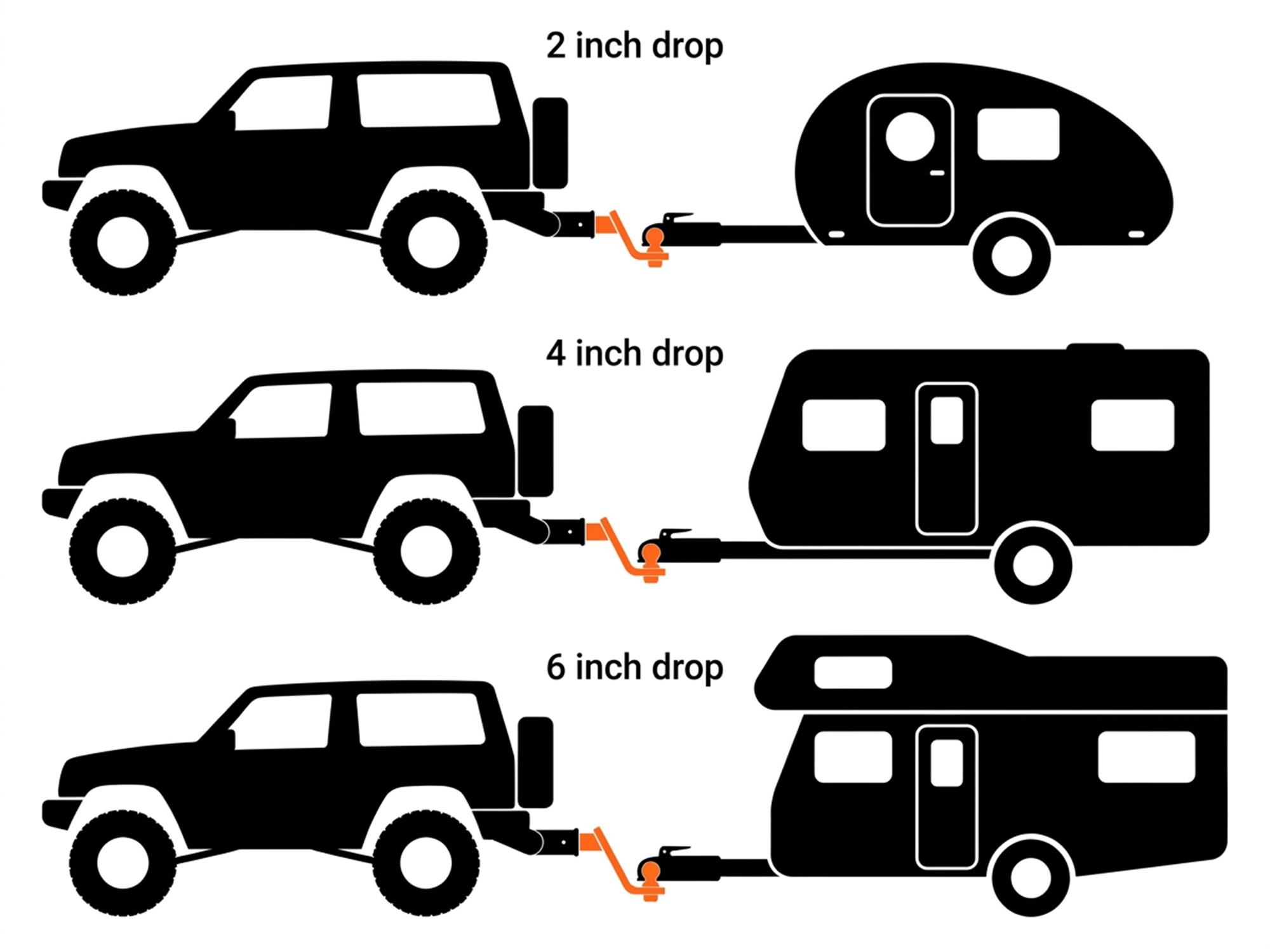
Einer der häufigsten Fehler von Anfängern besteht darin, eine Kugelstange zu wählen, die zu hoch oder zu niedrig sitzt. Für sicheres Ziehen sollte Ihr Anhänger waagerecht sein, sobald er an Ihr Fahrzeug angekoppelt ist. Ist der Anhänger nach vorne oder hinten geneigt, kann dies die Bremswirkung beeinträchtigen, zu "Anhängerschaukeln" führen und zu einer ungleichmäßigen Abnutzung Ihrer Reifen führen.
Um den erforderlichen "Absenkungs-" oder "Hebebetrag" zu ermitteln:
1. Messen Sie den Abstand vom Boden bis zur Oberkante der Innenseite Ihrer Anhängerkupplung (Messung A).
2. Stellen Sie Ihren Anhänger waagerecht und messen Sie den Abstand vom Boden bis zur Unterseite des Kupplungsrohrs (Messung B).
3. Die Differenz zwischen Messung A und Messung B entspricht dem erforderlichen Absenkungs- oder Hebebetrag.
Wenn Messung A höher als Messung B ist, benötigen Sie eine Absenkung. Wenn Messung B höher ist, benötigen Sie eine Hebung.
Die Kupplungskugel stellt den eigentlichen Drehpunkt der Verbindung dar. Sie muss exakt mit der Größe der Kupplung Ihres Anhängers übereinstimmen. Die gängigsten Größen sind:
● 1-7/8 Zoll: Wird typischerweise für leichte Geräteanhänger verwendet.
● 2 Zoll: Der Standard für die meisten mittelgroßen Anhänger, Bootsanhänger und Wohnanhänger.
● 2-5/16 Zoll: Für Schwerlast-Anhängerkupplungen vorgesehen, z. B. große Pferdeanhänger oder schwere Baumaschinen.
Die Verwendung einer Kugel, die zu klein für den Kupplungskopf ist, ist äußerst gefährlich, da der Anhänger bei einer Unebenheit oder Kurvenfahrt von der Kupplung springen kann. Stellen Sie daher stets sicher, dass Ihre zughaken-Zubehörteile für das jeweilige Traglastgewicht zugelassen sind.
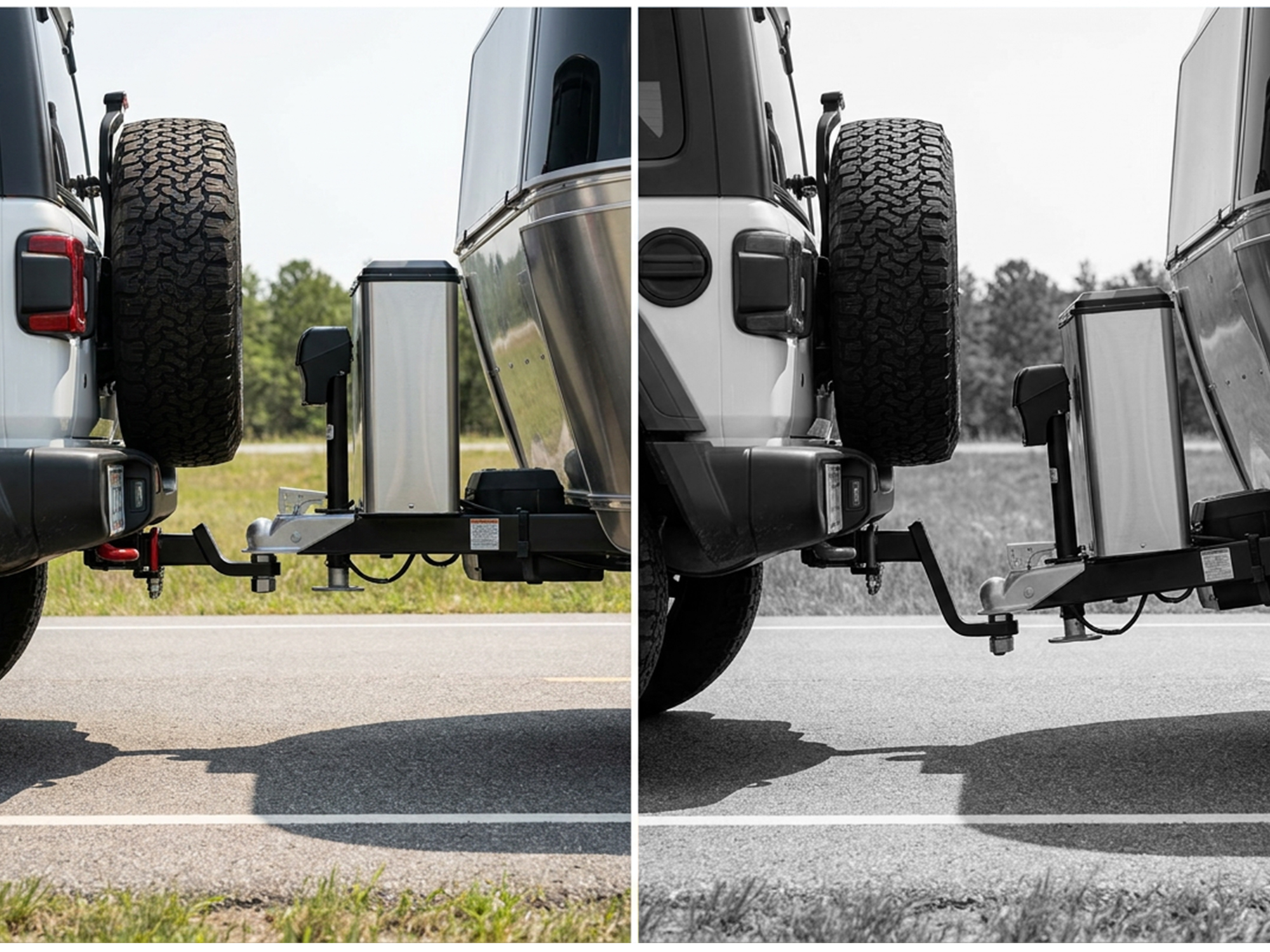
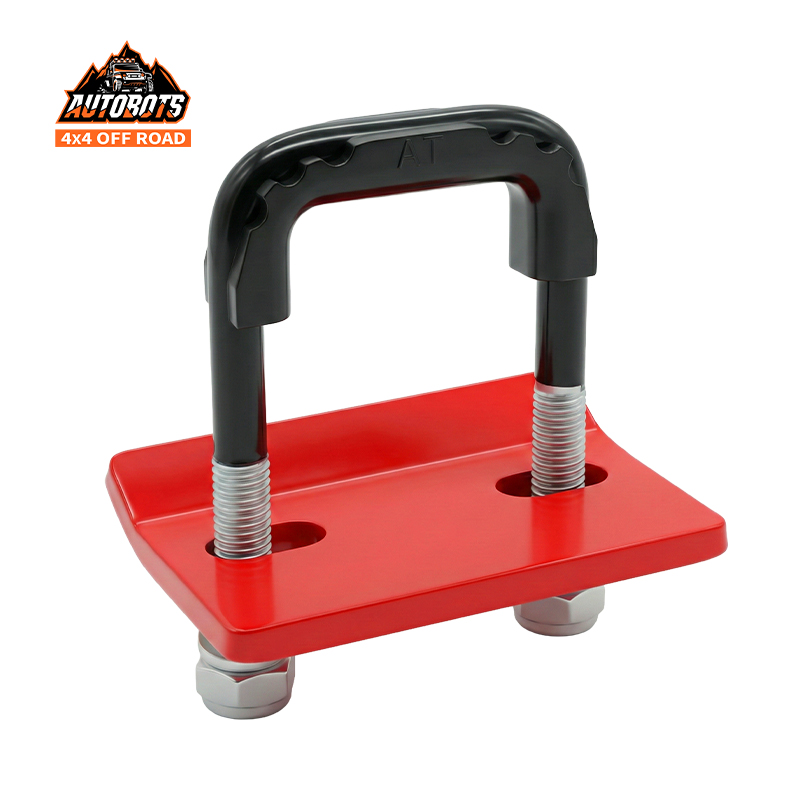
Neben der eigentlichen Zugvorrichtung umfasst eine komplette Anhängerausrüstung häufig mehrere spezielle Zubehörteile, die die Sicherheit erhöhen. Zughaken-Zubehörteile wie Sicherungsstifte, Kupplungsversteifer und Schwingungsdämpfer sind eine lohnende Investition.
Autobots 4x4 bietet umfassende Sets an, die schlüssellose Kombinationsschlossvorrichtungen für Anhängerkupplungen enthalten. Diese sind entscheidend, um Diebstahl zu verhindern – insbesondere dann, wenn Sie Ihren Anhänger auf einem Campingplatz oder einer Baustelle zurücklassen. Darüber hinaus beseitigt ein Kupplungsversteller das „Spiel“ zwischen dem Zapfen und der Aufnahme, wodurch eine deutlich ruhigere Fahrt ermöglicht wird und die Belastung des Fahrzeugrahmens verringert wird.
In einem gesättigten Markt hat sich Autobots 4x4 einen Namen für Robustheit und Zuverlässigkeit erarbeitet. Ihre Produkte sind speziell für Enthusiasten des 4x4-Einsatzes konzipiert – für Menschen, die nicht nur auf asphaltierten Straßen unterwegs sind, sondern ihre Anhänger auch in die Wildnis oder an den Strand mitnehmen.
Ihrer anhängerkupplungs-Kugelhalter optionen verfügen häufig über Tragfähigkeiten von 8.000 lbs und mehr, wodurch sie sich für das Abschleppen der Klasse IV eignen. Die Einbindung von Abschleppösen an einigen Modellen zeigt ein Verständnis für den zweckgebundenen Charakter moderner Pickups. Ob Sie einen Wohnwagen durch die australische Outback-Region oder eine Pritschenplane durch den amerikanischen Mittelwesten ziehen – diese Zubehörteile geben Ihnen die Gewissheit, dass Ihre Verbindung sicher ist.
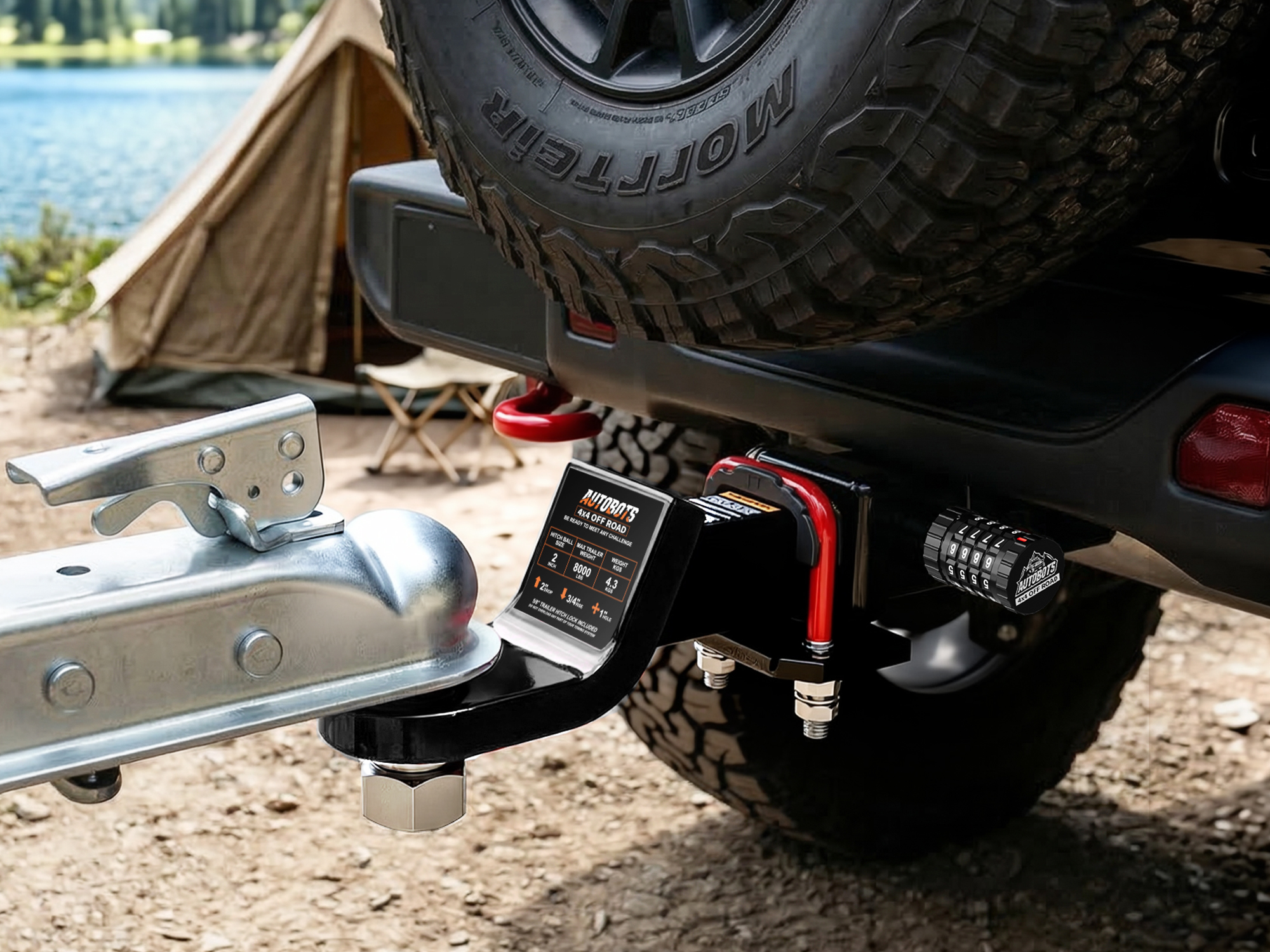
Sicherheit endet nicht, sobald der Anhänger angekoppelt ist. Das Langstrecken-Ziehen erfordert ständige Wachsamkeit.
● Überprüfen Sie Ihre Leuchten: Stellen Sie sicher, dass die Bremslichter und Blinker am Anhänger einwandfrei funktionieren.
● Prüfen Sie die Sicherheitsvorkehrungen: Kreuzen Sie Ihre Sicherheitsketten stets in einem „X“-Muster unter dem Kupplungsbolzen. Dadurch entsteht eine Auffangvorrichtung, die den Kupplungsbolzen im Falle einer Trennung auffängt.
● Überwachen Sie den Reifendruck: Sowohl die Reifen des Pickups als auch die des Anhängers sollten beim Ziehen den vom Hersteller empfohlenen Luftdruck (PSI) aufweisen.
● Üben Sie Ihre Kurvenfahrten: Denken Sie daran, dass ein Anhänger einen größeren Kurvenradius benötigt.
Wie jedes mechanische Bauteil erfordert Ihre Anhängerausrüstung Wartung. Prüfen Sie regelmäßig Ihre anhängerkupplungs-Kugelhalter auf Anzeichen von Haarrissen oder verbogenen Zapfen. Wischen Sie die Anhängerkupplungskugel ab und tragen Sie eine dünne Schicht Anhängerkupplungsfett auf, um Reibung und Geräusche zu reduzieren. Falls Sie erheblichen Rost feststellen, ist möglicherweise ein Austausch des Bauteils erforderlich, um die strukturelle Integrität zu gewährleisten.
Die Auswahl des richtigen anhängerkupplungs-Kugelhalter ist die Grundlage für ein erfolgreiches Anhängen. Indem Sie Ihre Gewichte kennen, die richtige Absenkung messen und in hochwertige schwerem Zugbetrieb ausrüstung wie die von Autobots 4x4 investieren, schützen Sie Ihr Fahrzeug, Ihre Ladung und alle anderen Verkehrsteilnehmer.
Sicheres Anhängen bedeutet nicht nur das Erreichen des Ziels, sondern auch die sichere Hin- und Rückfahrt. Rüsten Sie Ihren Anhängerzug noch heute mit der besten zughaken-Zubehörteile aus und ziehen Sie Ihre Last sicher und selbstbewusst. Ihre Ladung und alle anderen Verkehrsteilnehmer.
Sicheres Anhängen bedeutet nicht nur das Erreichen des Ziels, sondern auch die sichere Hin- und Rückfahrt. Rüsten Sie Ihren Anhängerzug noch heute mit der besten zughaken-Zubehörteile noch heute aus und ziehen Sie Ihre Last sicher und selbstbewusst.
 Aktuelle Nachrichten
2026-05-29
2026-05-22
2026-05-14
2026-01-29
2026-01-23
2026-01-10
Seien Sie der Erste, der unsere neuesten Styles und Angebote erhält.
Building7, Rubber Valley Tower, Qingdao, Shandong, China
Copyright © Qingdao Huilisheng Rigging Hardware Product Co., Ltd. All Rights Reserved - DATENSCHUTZRICHTLINIE
 EN
EN