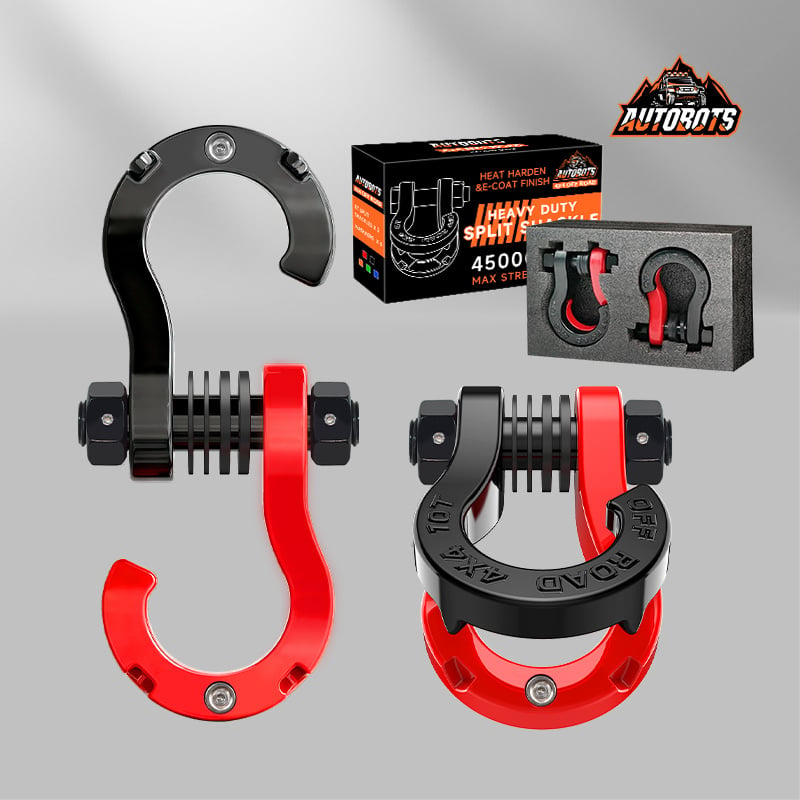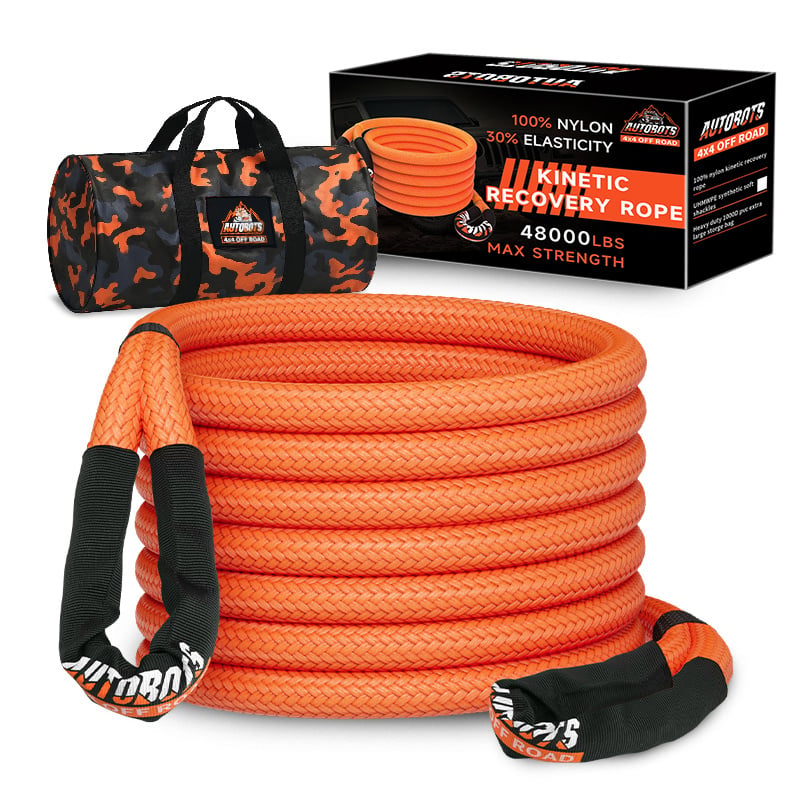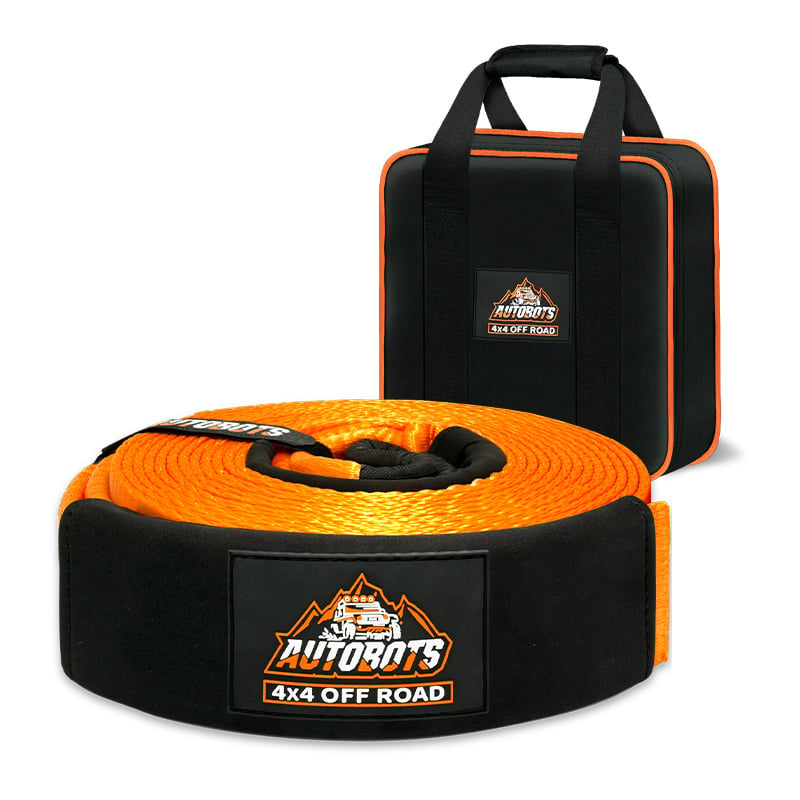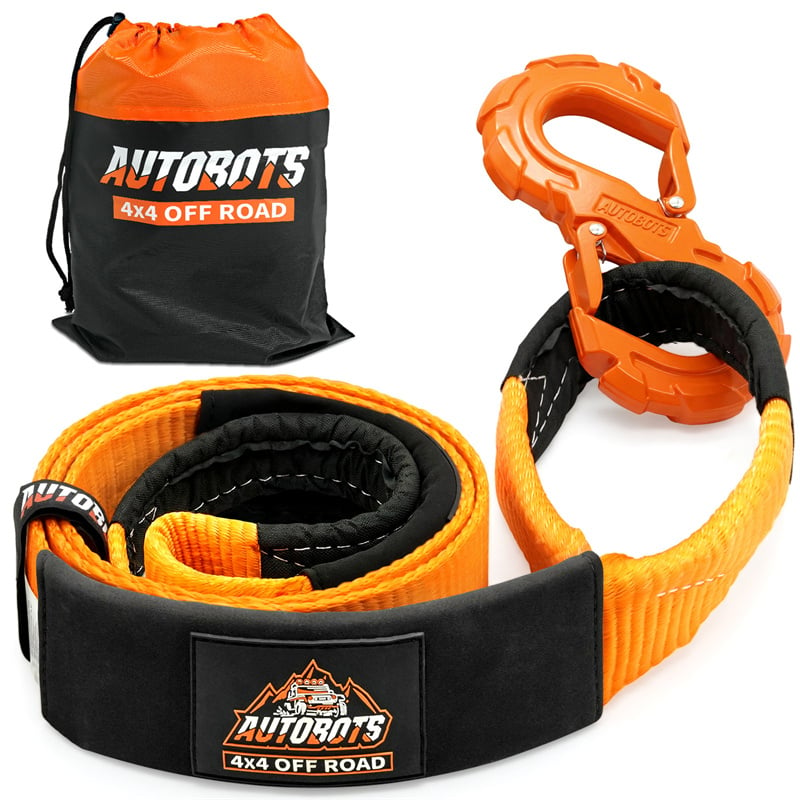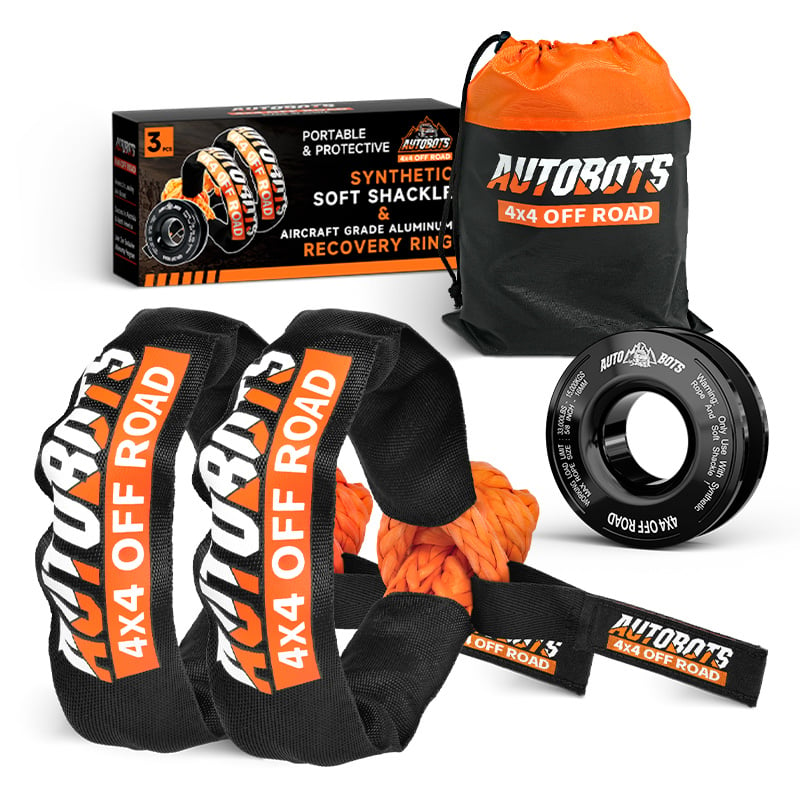

For off-road enthusiasts and trailer owners venturing into muddy jungle areas, safety is always the top priority when it comes to recovery operations, and one question that frequently arises is: Is soft shackle safe for muddy jungle off-road recovery? The muddy jungle presents unique challenges—slippery terrain, unpredictable obstacles, wet and corrosive conditions, and the need for reliable equipment that can withstand extreme stress without failing. Soft shackles, made from high-strength synthetic fibers like Dyneema or Spectra, have gained popularity in the off-road community in recent years, but many users still hesitate to trust them over traditional metal shackles in harsh muddy jungle environments. The truth is, when used correctly, soft shackles are not only safe but often more reliable than metal alternatives in these specific conditions, offering a range of advantages that directly address the challenges of muddy jungle off-road recovery.
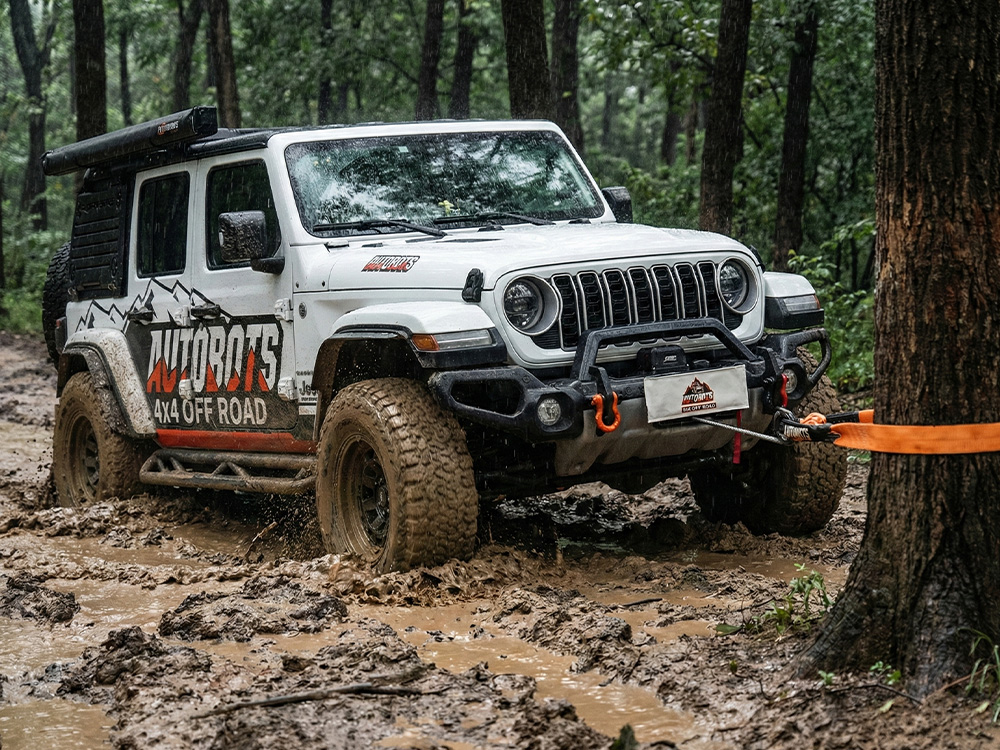
The safety of soft shackles in muddy jungle off-road recovery stems from their unique design and material properties that are perfectly suited to this demanding environment. Unlike metal shackles, which can rust, bend, or snap under sudden impact—especially when exposed to the constant moisture and debris in muddy jungles—soft shackles are inherently corrosion-resistant, lightweight, and flexible. Their high tensile strength, often exceeding that of steel shackles of the same size, ensures they can handle the heavy loads required for trailer recovery in muddy terrain, whether pulling a stuck trailer out of deep mud or securing it to a recovery vehicle. The flexibility of soft shackles also reduces the risk of injury or equipment damage from "shock loading," a common issue in off-road recovery where sudden jolts can cause rigid metal shackles to break or recoil dangerously. In muddy jungles, where branches, rocks, and uneven ground are prevalent, the soft shackle’s ability to conform to shapes without bending or cracking further enhances its safety, preventing it from getting stuck or breaking under pressure.
The synthetic fibers used in soft shackles, such as Dyneema, are engineered to excel in harsh conditions, making them ideal for muddy jungles. Dyneema, for instance, boasts a tensile strength 15 times that of steel by weight, meaning a soft shackle can match or surpass the load capacity of a metal shackle while being significantly lighter and easier to handle. This light weight is a critical advantage in muddy jungle recovery, where carrying heavy metal equipment can be cumbersome and energy-draining, especially when navigating tight trails or deep mud. Additionally, these fibers are hydrophobic, meaning they repel water rather than absorbing it—unlike metal, which retains moisture and accelerates rust. In perpetually wet jungle environments, this water resistance prevents the shackle from weakening over time, ensuring consistent performance even after repeated exposure to mud and rain.
Another key safety benefit of soft shackles in muddy jungles is their ability to minimize "snatch back" risks, a deadly hazard in off-road recovery. When a metal shackle breaks under tension, it becomes a high-velocity projectile that can injure operators or damage vehicles and trailers. Soft shackles, however, do not recoil violently if they fail; instead, they stretch slightly and then fray or break gradually, reducing the risk of catastrophic injury. This is particularly valuable in jungle settings, where recovery operations often take place in confined spaces with limited room to maneuver, leaving little margin for error. The flexibility of soft shackles also allows them to wrap around irregularly shaped anchor points—such as tree trunks or large rocks—without compromising strength, eliminating the need for additional hardware that could fail in muddy conditions.
While soft shackles are safe for muddy jungle off-road recovery, their safety depends on proper use and maintenance—factors that are often overlooked by users. It is crucial to choose a soft shackle rated for the specific load of your off-road trailer, as using an underrated shackle can lead to failure. Most reputable soft shackles come with a working load limit (WLL) and a breaking strength rating, and it is essential to never exceed these limits, especially when recovering heavy trailers from deep mud, which places extra strain on recovery equipment. Additionally, inspecting the soft shackle before each use for signs of wear, such as fraying, cuts, or moisture damage, is essential, as even minor damage can compromise its strength in muddy conditions. Mud and debris can hide small tears in the fibers, so a thorough inspection—including wiping down the shackle to remove dirt—should be part of every pre-recovery checklist.
Proper maintenance also extends the safety and lifespan of soft shackles in muddy jungles. After each use, it is important to clean the shackle with mild soap and water to remove mud, dirt, and debris that could abrade the fibers over time. Avoid using harsh chemicals or abrasives, as these can weaken the synthetic material. Once cleaned, the shackle should be dried completely before storage, as even small amounts of trapped moisture can attract mold or mildew, which can degrade the fibers. Storing soft shackles in a cool, dry place—away from direct sunlight and extreme temperatures—also prevents UV damage, which can break down synthetic fibers and reduce tensile strength. It is also important to avoid contact with sharp objects, such as jagged rocks or broken branches in the jungle, which can slice the fibers and cause premature failure. Using a protective sleeve over the shackle when wrapping around rough surfaces can add an extra layer of protection.
It is also worth noting that soft shackles are not a one-size-fits-all solution, but their versatility makes them well-suited to most muddy jungle recovery scenarios. For example, they can be used with winches, recovery straps, and snatch blocks, integrating seamlessly with standard off-road recovery equipment. Unlike metal shackles, which can jam or seize when coated in mud, soft shackles remain flexible and easy to remove after use, saving time and reducing frustration during recovery operations. They also do not scratch or damage vehicle paint or trailer surfaces, a minor but practical benefit when working with expensive off-road gear.
Critics of soft shackles often argue that they are less durable than metal alternatives, but this misconception stems from improper use rather than inherent flaws. When used within their load limits, protected from sharp objects, and maintained regularly, soft shackles can be just as durable as metal shackles—if not more so—in muddy jungle environments. Metal shackles, by contrast, are prone to rust, bending, and deformation, even with proper care, and their rigid structure makes them more likely to fail under sudden impact or when forced into awkward angles. In fact, many off-road clubs and professional recovery teams now recommend soft shackles for jungle and muddy terrain, citing their superior safety and performance.
In conclusion, soft shackles are a safe and reliable choice for muddy jungle off-road recovery when used correctly. Their high tensile strength, corrosion resistance, flexibility, and ability to minimize snatch back risks address the unique challenges of jungle environments, making them a superior alternative to traditional metal shackles. By selecting the right load-rated shackle, conducting thorough pre-use inspections, and following proper maintenance practices, off-road enthusiasts and trailer owners can trust soft shackles to perform reliably in even the harshest muddy jungle conditions. Their combination of strength, versatility, and safety makes them an essential piece of equipment for anyone venturing off the beaten path into jungle terrain.
 Hot News
2026-05-29
2026-05-22
2026-05-14
2026-01-29
2026-01-23
2026-01-10
Be the first to get our latest styles and offers.
Building7, Rubber Valley Tower, Qingdao, Shandong, China
Copyright © Qingdao Huilisheng Rigging Hardware Product Co., Ltd. All Rights Reserved - Privacy Policy
 EN
EN