
North American off-road enthusiasts and trailer owners know well the challenge of hilly muddy trails—slippery slopes, deep ruts, and thick mud can easily leave your off-road trailer stranded, ruining your adventure or work trip. A reliable tow rope tailored for North American hilly muddy trails is not just an accessory but a necessity, designed to handle the unique demands of these rugged terrains while ensuring safety and durability. Whether you’re exploring the steep, clay-rich slopes of the Appalachian Mountains, navigating the rain-soaked muddy hills of the Pacific Northwest, or hauling gear through the frozen muddy trails of rural Canada, choosing and using the right tow rope can make all the difference in getting back on track quickly, avoiding costly delays or equipment damage.
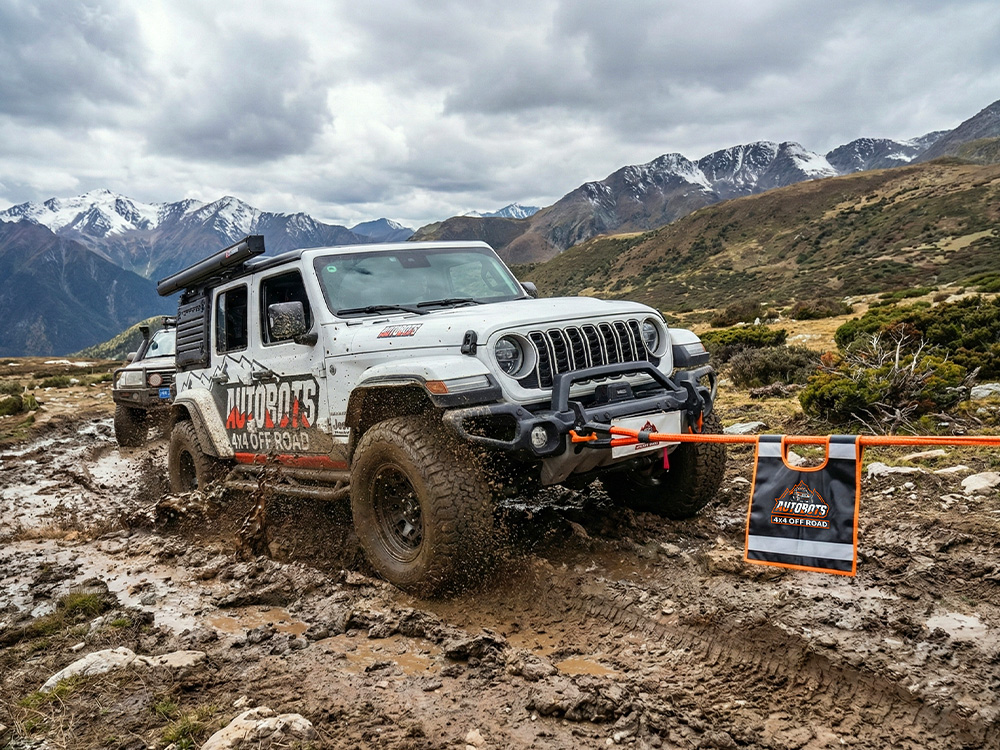
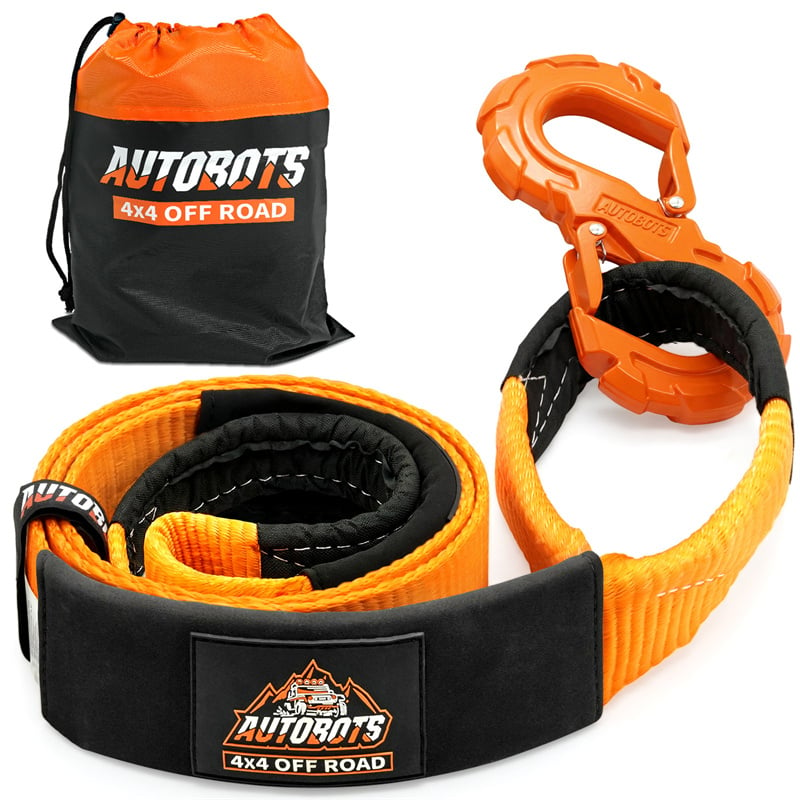
When using a tow rope for North American hilly muddy trails, start by selecting a heavy-duty option engineered to withstand the extreme strain of muddy, sloped terrain. Unlike flat or dry surfaces, hilly mud amplifies tension on the rope—sudden shifts in weight as the trailer lurches, or resistance from suction-like mud, can push ropes beyond their limits. For this reason, always choose a tow rope with a breaking strength 2-3 times your trailer’s gross weight; for larger trailers or those hauling heavy gear (e.g., ATVs, construction tools), opt for the higher end of this range. Additionally, consider rope diameter: thicker ropes (1/2 inch or more) offer greater durability for heavy loads, while lighter options work for smaller trailers without sacrificing flexibility. Polyester is the ideal material: it resists abrasion from sharp rocks hidden in mud, holds up to North America’s erratic weather—from spring downpours that turn trails to sludge to cool fall temperatures and even light frost in northern regions—and avoids the brittleness that plagues nylon in cooler climates, which can lead to catastrophic snaps. Avoid cotton or synthetic blends, as they absorb moisture, weaken over time, and are prone to rotting in damp muddy conditions.
Pre-recovery preparation is equally critical to safety and success. First, clear excess mud from your trailer’s reinforced tow hooks and the recovery vehicle’s hitch; caked mud can create slippage, reducing the rope’s grip and increasing the risk of detachment. Position the recovery vehicle on stable, non-muddy ground above the stuck trailer—this leverages gravity to ease the pull and prevents the recovery vehicle from getting stuck itself. Lay the tow rope flat on the ground to eliminate twists, which weaken the rope’s structure and concentrate stress on vulnerable points. Attach both ends securely to reinforced tow hooks only; never use weak bumper points, as they can break under tension, sending debris flying. Add a safety dampener (e.g., a heavy bag or specialized dampener) over the middle of the rope—if the rope snaps, the dampener will absorb kinetic energy and prevent it from whipping through the air. Finally, use a spotter to guide both drivers; slow, steady tension is key—sudden jerks can snap the rope, damage vehicles, or push the trailer deeper into the mud’s grip.
After successfully recovering your trailer, proper maintenance of your tow rope will extend its service life and ensure it’s ready for your next off-road excursion. Rinse the rope thoroughly with cold water to remove mud, dirt, and road salt—a common hazard on northern North American trails in late fall and winter, which can corrode fibers over time. For tough, caked-on mud, use a soft-bristled brush to gently scrub without damaging the polyester fibers. Hang the rope to dry in a cool, dry place away from direct sunlight or heat sources (e.g., radiators, vehicle exhaust), as excessive heat degrades polyester fibers, reducing strength. Once dry, store the rope in a breathable bag or container to protect it from dust, moisture, and pests—avoid tight plastic bags that trap humidity, as this can cause mildew. Inspect the rope carefully for frays, cuts, or weakened stitching, especially near attachment points—mud can hide damage from rocks or friction. Replace any damaged rope immediately; a compromised rope is a safety risk that can lead to accidents, costly vehicle repairs, or further trail delays.
For both B2B buyers (e.g., off-road outfitters, construction companies) and casual enthusiasts, investing in a high-quality tow rope tailored for North American hilly muddy trails is an investment in reliability and safety. B2B buyers should prioritize ropes with certified strength ratings and bulk packaging options, as well as suppliers that offer durability guarantees for frequent commercial use. Casual enthusiasts, meanwhile, can balance performance and budget by choosing ropes with trusted brand certifications and user reviews from fellow North American off-roaders. These ropes are engineered to handle the continent’s unique rugged terrain, from the Appalachians’ clay slopes to the Pacific Northwest’s rain-soaked mud and Canada’s frozen trails, ensuring you’re prepared for whatever challenges come your way. With the right selection, proper use, and regular maintenance, your tow rope will be a trusted companion on every off-road adventure or work trip, turning potential disasters into minor setbacks and keeping your journeys on track.
 Hot News
2026-05-29
2026-05-22
2026-05-14
2026-01-29
2026-01-23
2026-01-10
Be the first to get our latest styles and offers.
Building7, Rubber Valley Tower, Qingdao, Shandong, China
Copyright © Qingdao Huilisheng Rigging Hardware Product Co., Ltd. All Rights Reserved - Privacy Policy
 EN
EN