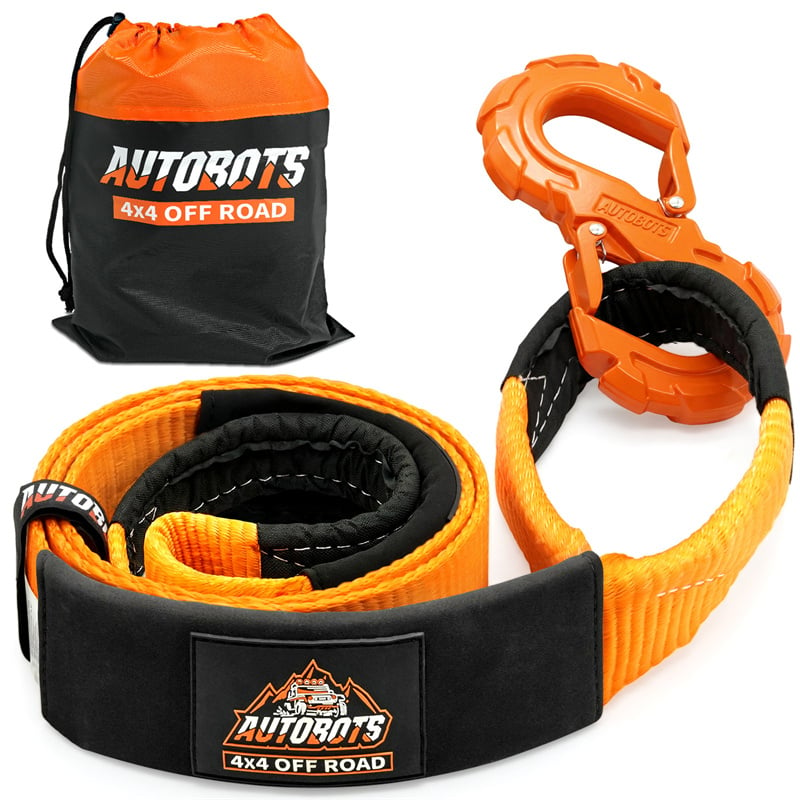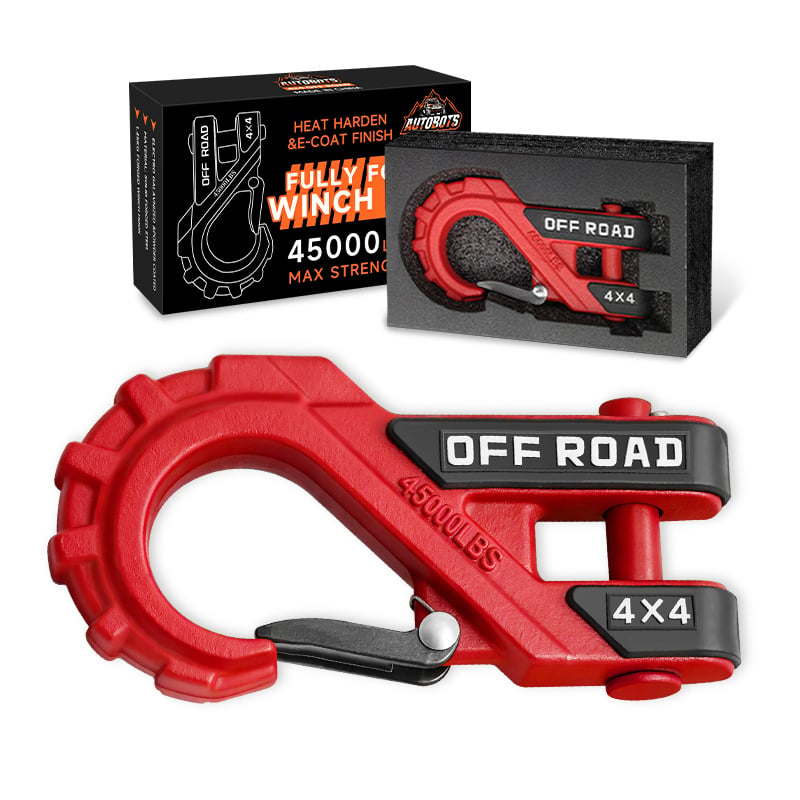

השבילים הלא-מעובדים המושלגים של קנדה מציעים חווית הרפתקאה בלתי מתחרה לבעלי מגררים, החל מהנחיית שבילים מרוחקים באזור היער ועד לחקירת נופים קפואים. עם זאת, תנאי החורף הקשיחים — גבעות שלג עמוקות, משטחים קפואים, בוץ חבוי וירידות טמפרטורה פתאומיות — עלולים להותיר את המגרר הלא-מעובד שלכם תקוע במהרה, ולהפוך את ההרפתקאה לחוסר סיפוק. רצועת גרירה באיכות גבוהה איננה רק פריט נלווה; היא חוט הצלה לשיחרור בטוח. עבור חובבי הנסיעה הלא-מעובדת בקנדה ולקונים מסחריים (B2B) כאחד, השימוש הנכון ברצועת הגרירה על משטחים מושלגים הוא קריטי כדי למנוע נזק לציוד, תאונות או עיכובים נוספים. מדריך זה נוצר במיוחד לקהלים הללו, ומציע עצות מעשיות, צעד אחר צעד, לשליטה מלאה בשימוש ברצועת גרירה לצורך שיחרור במגזר הלא-מעובד במושלגים, החל מבחר הרצועה המתאימה ועד לטיפול לאחר השיחרור, כולל תובנות המותאמות לקשיי החורף הייחודיים לקנדה.
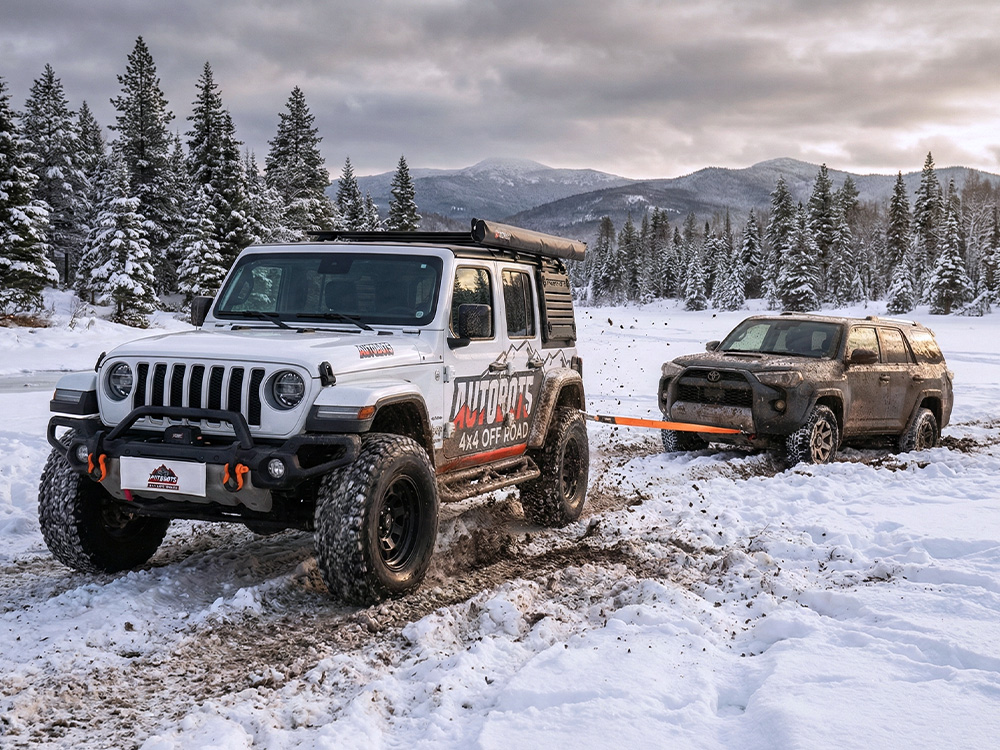
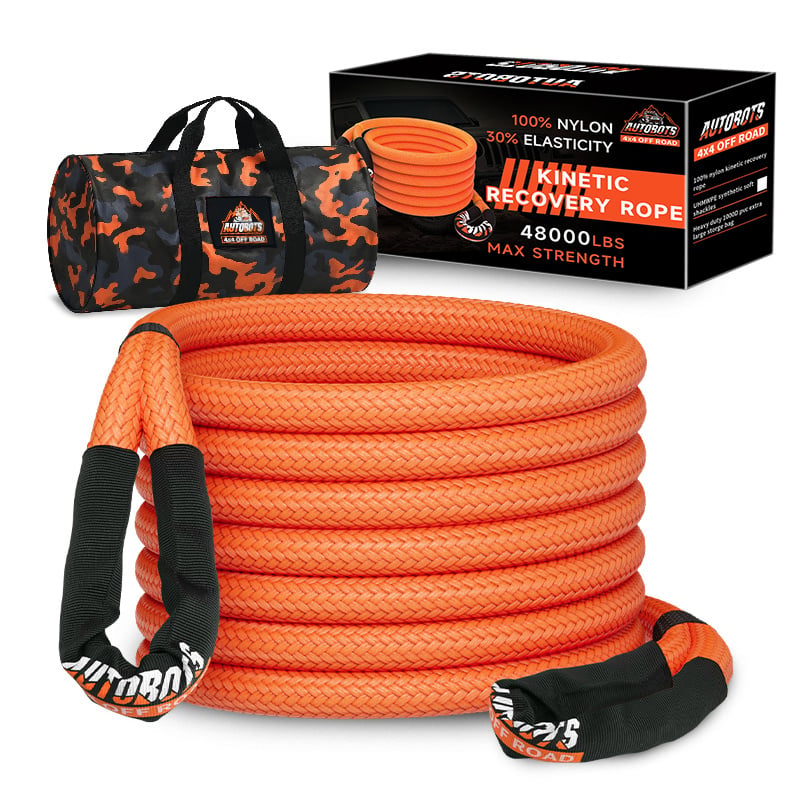
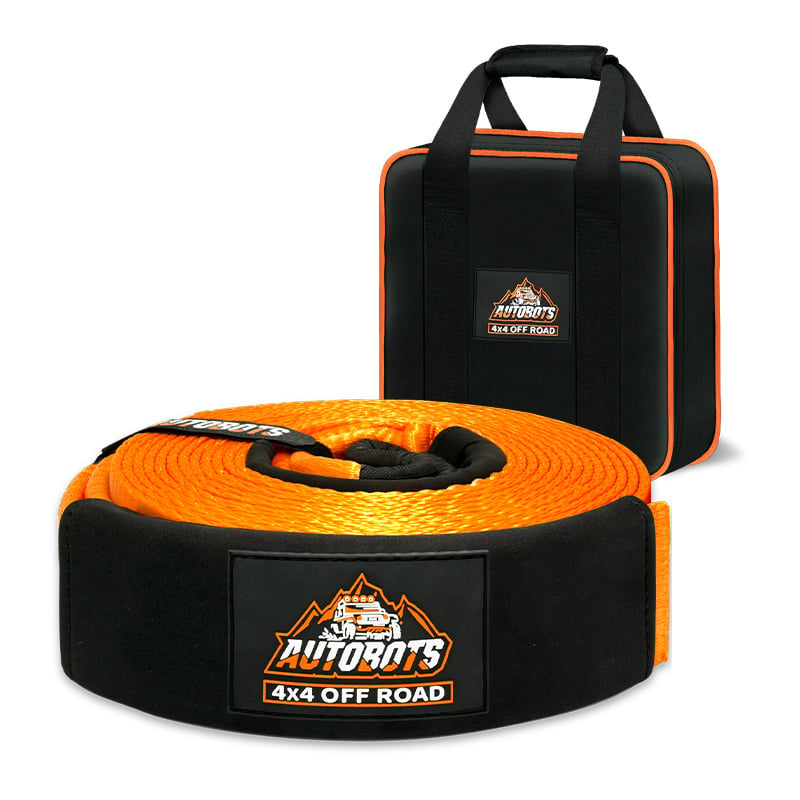
התחלו על ידי בחירת רצועת גרירה עמידה עם חוזק קריעה של 2–3 פעמים מהמשקל הכולל של המגרר שלכם – דרישה בלתי נפקית עבור השלגים הקנדיים, שמתגנבים לעיתים קרובות בתוך חריצים עמוקים, אדמה קפואה לא אחידה וקרח מודבק הדורשים עמידות נוספת. לקונים מסחריים (B2B) שמספקים ציוד למחנות מחוץ לכביש או לחברות השכרה, יש לתת עדיפות לרצועות אשר עומדות בתקנים של ארגון הסטנדרטים הקנדי (CSA) לשימוש בחורף, מכיוון שתקנים אלו מתאימים למדדים קפדניים לעמידות בתנאים קיצוניים של קור. יש לבחור חומר פוליאסטר, אשר עמיד לטמפרטורות הנמוכות הקשות של קנדה (עד 40-°C באזורים הצפוניים), עמיד לקרני UV ולבלאי הנגרם על ידי שלג/קרח, ומונע את התנהגות החריגות שמאפיינת רצועות ניילון בתנאי קור קיצוני. ניילון, למרות החוזק שלו באקלים מתון יותר, נוטה להתפצל בתנאי טמפרטורה מתחת לאפס – סיכון שאף חובב נסיעות מחוץ לכביש לא יכול להרשות לעצמו. הוספת פסי החזרה מומלצת מאוד, מכיוון שהימים הקצרים של החורף הקנדי והגשמים השכיחים של שלג מפחיתים את הראות; תוספת קטנה זו יכולה למנוע התנגשויות במהלך פעולות הצלה בתנאי אור נמוך. עבור סוגי מגררים שונים – בין אם מגררים קלים למחנות מחוץ לכביש או מגררים כבדים להובלת מטען – יש להתאים את רוחב הרצועה בהתאם: רצועות רחבות יותר (2–3 אינץ') מפיצות את המתח בצורה טובה יותר במשימות כבדות יותר, עובדה חשובה במיוחד לקונים מסחריים (B2B) שמספקים שירות ללקוחות מגוונים. יש להימנע מרצועות זולות ואישרונות שלא עברו אישור, מכיוון שהן לרוב חסרות מצופים עמידים לטמפרטורה ומכשלות תחת הלחץ החורפי הקנדי, מה שעלול לגרום לנזק יקר לציוד או לבעיות אחריות הן לחובבים והן לעסקים.
לפני תחילת פעולת ההחלצה, יש לבצע צעדים קריטיים להכנה כדי למזער את הסיכונים הנובעים ממדרגות שלגיות. נקה את השלג והקרח מהווים המוגבבים להחלצה של הטרילר ומההITCH של כלי הרכב המחלץ כדי למנוע החלקה — שאריות קפואות עלולות ליצור פערים שמחלישים את החיבורים. עמד את כלי הרכב המחלץ בזווית של 45 מעלות ביחס לטרילר הסתובב; פעולה זו מפחיתה את סיכון ההחלקה על משטחים קפואים ומחלקת באופן אחיד את המתח. פרוש את השיפוד בשטח ללא התפתלויות, אשר עלולות לפגוע בכוחו עד 50% ולגרום לאי-תפקוד קטסטרופלי. אם השיפוד קפוא, חמם אותו בעדינות בעזרת מים חמים (לא רותחים) או מחמם נייד — לא תשתמש באש פתוחה, שכן היא עלולה להתיך או לחסל את החומר. אבטח את הקצה האחד לשיקול ההחלצה המיוחד של הטרילר (אסור להשתמש בנקודות חיבור רופפות כמו בומפר, אשר עלולות להתנתק תחת מתח) ואת הקצה השני להITCH המדורג של כלי הרכב המחלץ, וודא שהמנועים נעולים לחלוטין. לבסוף, הנח מדכא בטיחותי (כגון שקית כבדה, שטיח או מדכא מיוחד) על אמצע השיפוד; במקרה של קריסת השיפוד, מדכא זה יעצור את התיזוק של שברי החומר וימנע פגיעה באדם או בנכס. בנוסף, בדוק את שיקולי ההחלצה למציאת חלודה או סדקים — מלח דרכים עונתי ורطיבות יכולים לגרום לקורוזיה שמחלישה את שלמותם. השתמש במברשת חוטים כדי להסיר את החלודה והחלק סプレー נגד קורוזיה לפני חיבור השיפוד; זהו צעד פשוט שמניע את כשל השיקול באמצע פעולת ההחלצה.
במהלך ההתאוששות, שיתוף הפעולה הוא קריטי. יש להשתמש במפקח בעל נראות גבוהה (מלווה בציוד מחזיר אור) כדי לכוון את שני הנהגים, מאחר שהנקודות העיוורות מוגדלות על ידי השלג. רכב ההתאוששות צריך להאיץ לאט במדרגה נמוכה כדי ליצור מתח יציב – תנועות פתאומיות עלולות לקרוע את ремס או לחפור את המגרש העצמאי עוד יותר לתוך גבעות השלג. הנהג של המגרש העצמאי הסתבך צריך ללחוץ בעדינות על דוושת הגז כדי להפחית את המתח על ремס, תוך התאמה למאמץ של רכב ההתאוששות. אם המגרש העצמאי נשאר סתובך לאחר ניסיון אחד, יש לעצור ולנקות את השלג מהגלגלים שלו (בעזרת מגליה או מזרנים למניעת החלקה) לפני ניסיון חוזר; כפיה של התהליך עלול לגרום נזק לשני הרכבים ולремס.
לאחר התאוששות מוצלחת, טיפול נכון ברצועת גרירה חיוני להארכת תוחלת החיים שלה בחורפים בקנדה - קריטי עבור קונים עסקיים המנהלים מלאי וחובבים המגנים על השקעתם. יש לשטוף את הרצועה במים קרים כדי להסיר שלג, קרח ומלח כביש, הגורמים לקורוזיה ומחלישים סיבים. יש לתלות אותה לייבוש במקום קריר ויבש, תוך הימנעות ממקורות חום ישירים (כמו תנורי חימום או רדיאטורים) שעלולים לשביר את החומר. יש לבדוק את הרצועה ביסודיות לאיתור קרעים, חתכים או תפרים מוחלשים; יש להחליף רצועות פגומות באופן מיידי, שכן אפילו בלאי קל יכול להוביל לכשל בתנאים קיצוניים. עבור משתמשי עסקים עסקיים, אחסון רצועות במיכלים עמידים למים יכול למנוע הצטברות לחות ונזקי מלח במהלך אחסון לטווח ארוך. עבור שני הקהלים, יש לקבוע לוח זמנים שגרתי לבדיקה: בדיקות חודשיות במהלך החורף אידיאליות לגילוי בלאי מוקדם, במיוחד לאחר שימוש תכוף בשלג או קרח קשים. עבור מפעילי עסקים עסקיים המנהלים מלאי גדול, יש לתייג את הרצועות עם חוזק השבירה שלהן ותאריך הייצור שלהן כדי להבטיח עמידה בתקני הבטיחות ולעזור ללקוחות לקבל החלטות מושכלות, לשפר את האמון ולהפחית את שיעורי ההחזרה.
שליטה בשימוש בחבל גרירה בטריטוריות הלא-מוצלות של קנדה, שמכוסות שלג, דורשת את הציוד הנכון, הכנה מטיפונית וטכניקת שימוש מדויקת. עבור חובבי הנסיעה הלא-מוצלת, זה מבטיח הרפתקאות בטוחות ללא הפרעות; עבור קונים מסחריים (B2B), זה פירושו אספקת כלים מהימנים ומיועדים לעונה הקרה, אשר עומדים בדרישות הקנדיות. על ידי עקיבה אחר המדריך הזה, תוכלו להפוך מצב של נסיגה אפשרית למצב שניתן לנהל, ולשמור על המ trailers שלכם – ועל המוניטין שלכם – גם במהלך החורף הקנדי הקשה ביותר.
 חדשות חמות
2026-05-29
2026-05-22
2026-05-14
2026-01-29
2026-01-23
2026-01-10
היה הראשון שיקבל את הסגנונות והמבצעים האחרונים שלנו.
Building7, Rubber Valley Tower, Qingdao, Shandong, China
Copyright © Qingdao Huilisheng Rigging Hardware Product Co., Ltd. All Rights Reserved - מדיניות הפרטיות
 EN
EN