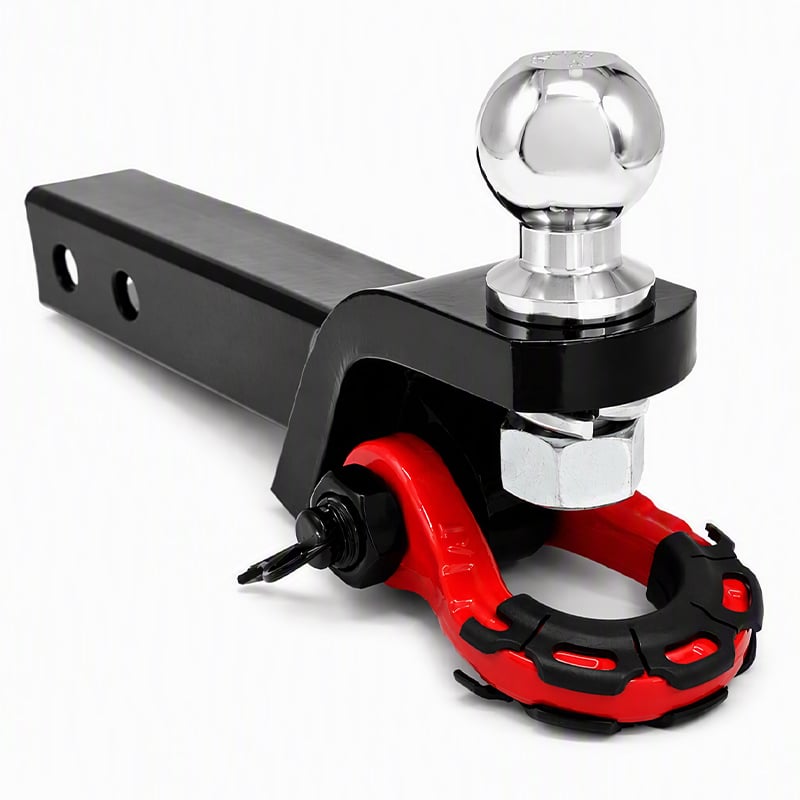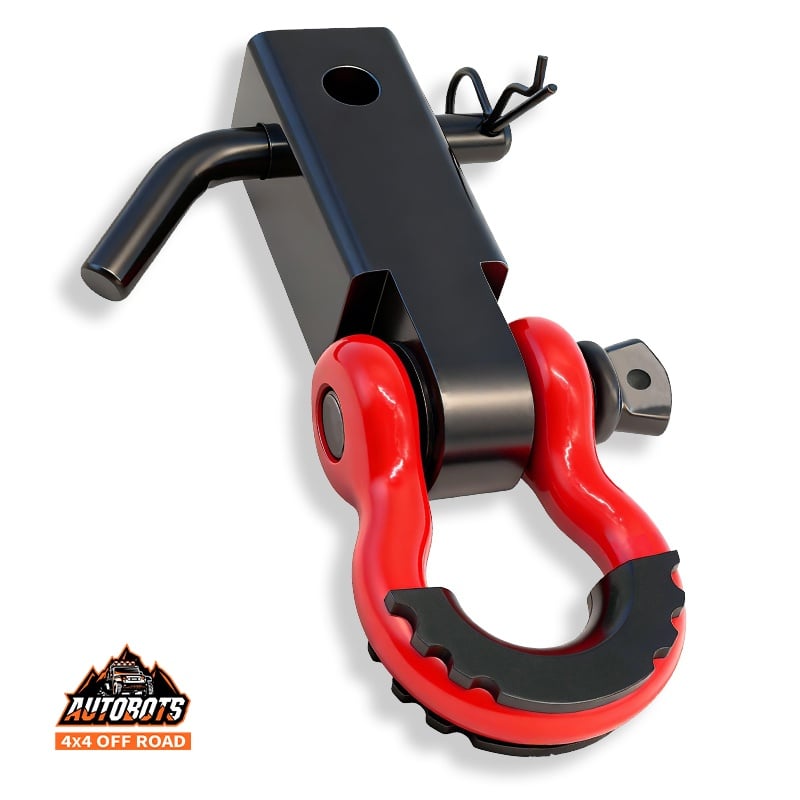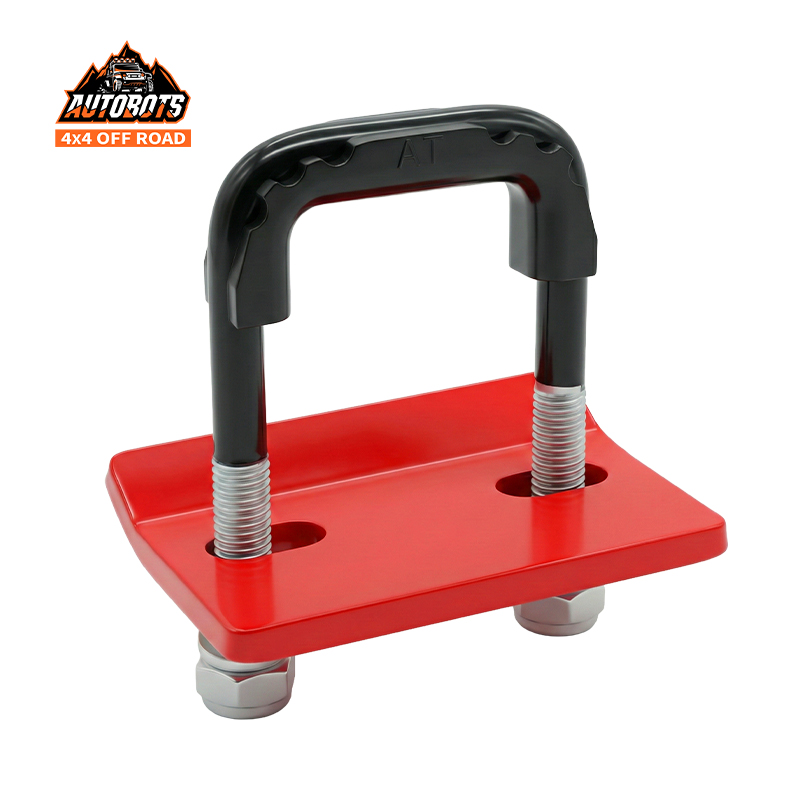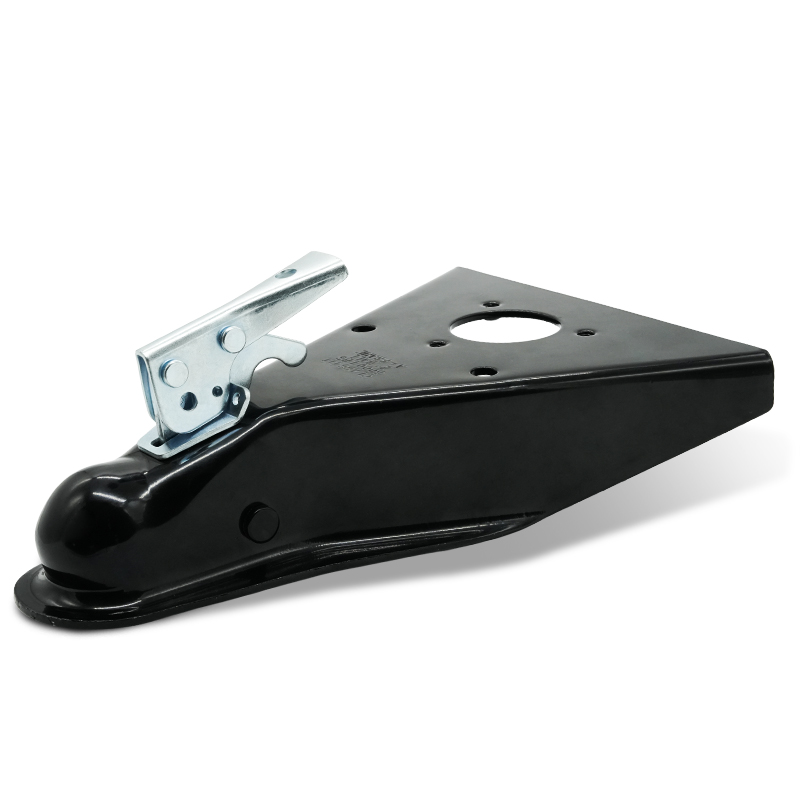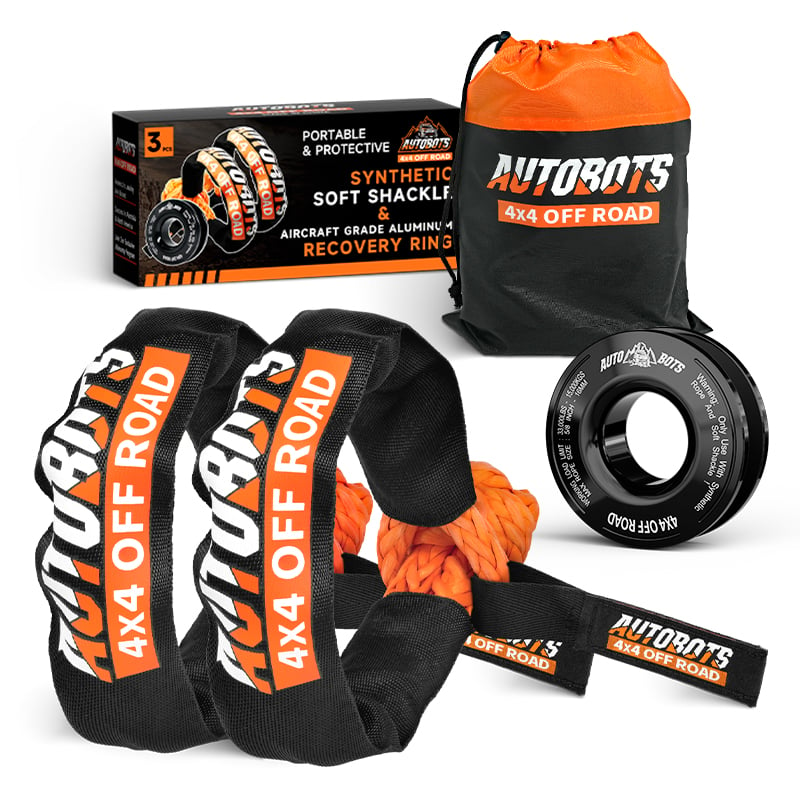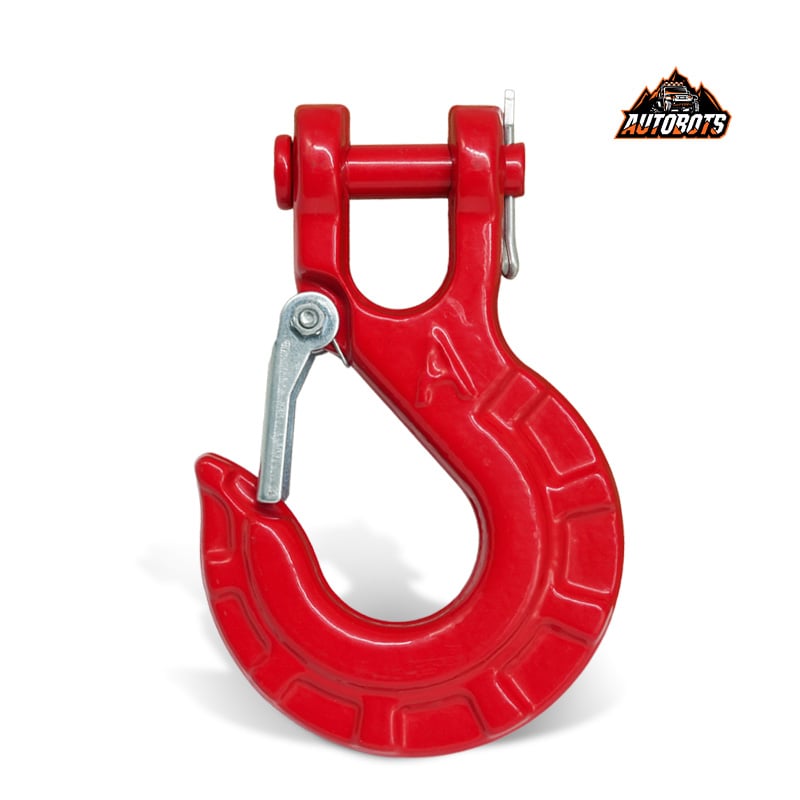

For off-road equipment distributors, automotive accessory wholesalers, and fleet operators specializing in 4x4, ATV, and heavy vehicle rescue, sourcing reliable off-road recovery gear is critical to operational safety and profit stability. Common recovery gear including recovery straps, winch ropes, shackles, and traction boards faces severe market chaos: many suppliers use inferior materials and fake load parameters to lower prices. Substandard off-road recovery tools easily break during vehicle rescue, causing vehicle damage, personal injury, and costly after-sales disputes. To help global buyers eliminate low-quality products and standardize procurement standards, this guide shares material and parameter verification checks for off-road recovery gear sourcing.
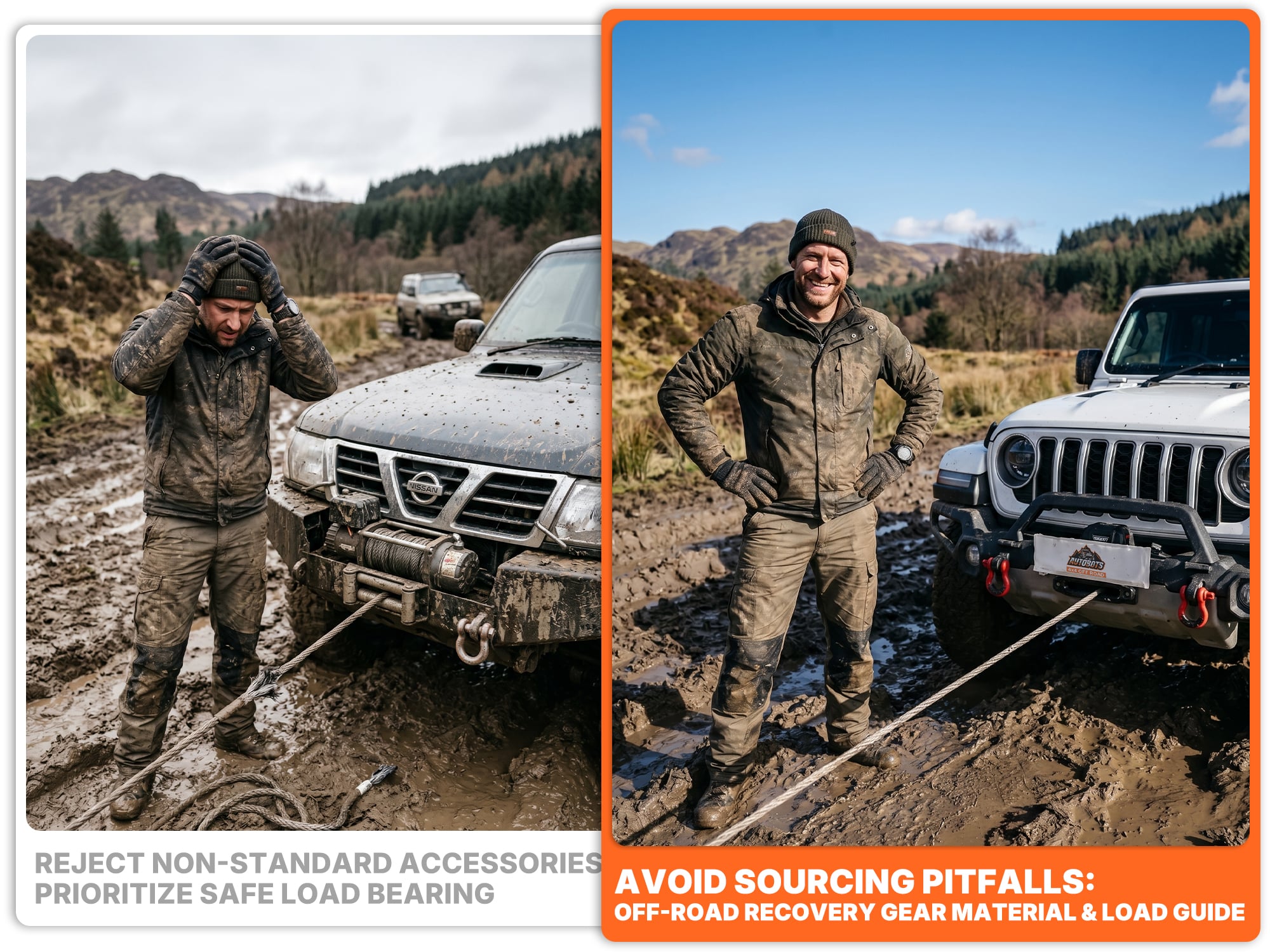
Material composition determines the ultimate tensile strength, wear resistance, and safety of all off-road recovery gear. The biggest sourcing pitfall is false material labeling. Many low-tier suppliers disguise ordinary polyester, low-grade steel, and recycled nylon as professional-grade materials to cut costs, while these inferior materials cannot withstand extreme off-road pulling, friction, and impact forces.
Genuine professional recovery straps and winch ropes adopt high-strength Nylon 66 or UHMWPE material, featuring ultra-high tensile strength, low elongation, and strong wear resistance. For metal recovery accessories like D-shackles and bow shackles, industrial-grade forged stainless steel or carbon steel is the mandatory standard. In contrast, counterfeit products use recycled nylon and cast iron, which are prone to sudden snapping or cracking under heavy load.
Professional buyers must verify material test reports and factory certification documents before bulk orders. Qualified recovery fabrics have uniform texture and high abrasion resistance, while standard metal recovery accessories has dense surface texture without pores or cracks. Never trust verbal material promises from suppliers, as material fraud is the primary cause of rescue failure accidents.
Off-road recovery gear covers synthetic soft recovery tools and metal accessories, each with unique performance attributes and application limits. Mismatched or inferior gear performance directly leads to failed vehicle recovery and secondary damage to off-road vehicles, bringing huge losses to wholesalers and end users.
Traditional low-quality polyester recovery straps stretch excessively and cannot rebound quickly, leading to dangerous recoil during rescue. Premium UHMWPE synthetic winch ropes are lightweight, no recoil, and corrosion-resistant, ideal for mud, sand, and water off-road rescue scenarios. For metal accessories, ordinary cast shackles are brittle and easy to break, while forged shackles deliver stable toughness under extreme torsion and pulling forces.
Buyers need to strictly check product physical performance data, including wear resistance, anti-aging, and low-temperature resistance indicators. Inferior gear will age rapidly after short-term outdoor use, losing tensile strength. Verifying actual performance rather than just product appearance helps buyers eliminate non-durable defective products and reduce after-sales return rates.
Load parameter inflation is the most common and harmful trap in off-road recovery gear cross-border sourcing. Most suppliers mark exaggerated maximum breaking strength on product pages, confusing buyers with non-standard data. In actual off-road rescue, these overrated products cannot bear instantaneous impact loads, resulting in sudden breakage and safety accidents.
It is critical to distinguish maximum breaking strength and working load limit (WLL). Many suppliers only advertise extreme breaking data while hiding the real safe WLL, which is the only valid reference for actual use. Professional off-road gear must be marked with clear WLL and safety factor data, complying with international off-road equipment standards.
Standard industry rules require a minimum 3:1 safety factor for all recovery gear. Buyers must reject products with vague parameter labels and ask for third-party tensile test reports. Always calculate the matching load range according to end-user vehicle tonnage to avoid safety hazards caused by inflated false parameters.
Blindly pursuing high load parameters cannot guarantee practical usability. Off-road rescue scenarios are diverse, including desert sand rescue, muddy road rescue, mountain road trapped rescue, and heavy truck recovery. Different scenarios require targeted gear parameter matching, and one-size-fits-all procurement will cause cost waste or performance insufficiency.
For light SUV and ATV daily off-road use, standard WLL recovery straps and medium-size shackles can meet demands and control procurement costs. For heavy-duty pickup trucks and engineering off-road vehicles, buyers must select high-tensile UHMWPE ropes and heavy-grade forged shackles to cope with super-large impact loads. For humid and saline coastal off-road environments, corrosion-resistant metal recovery accessories is a must to prevent rust-induced load attenuation.
In addition, all recovery gear must comply with regional product safety certification standards to avoid customs clearance rejection and market sales bans. Scenario-based parameter matching is the core of refined procurement, balancing safety, cost, and market compliance.
Qualified materials and standard parameters cannot ensure product stability without mature production technology. Many low-cost manufacturers cut processes to reduce prices, resulting in hidden quality defects. For soft recovery gear, unqualified weaving and edge-locking processes cause wire loosening and strand breakage. For metal recovery accessories, skipping forging and heat treatment leads to poor toughness and easy cracking.
Reliable manufacturers adopt dense high-precision weaving and reinforced stitching for soft recovery gear, ensuring uniform force distribution. Metal shackles and recovery accessories undergo professional high-temperature forging and stress relief treatment to enhance structural toughness. buyers should check product stitching tightness, metal surface finish, and process qualification reports to screen out low-process defective products.
Most buyers focus only on parameters and materials while ignoring supplier certifications and after-sales services, bringing long-term operational risks. Uncertified off-road recovery gear cannot enter mainstream overseas markets, and incomplete after-sales support will lead to high customer complaint rates and brand losses.
Trusted suppliers hold complete ISO quality certifications and international off-road equipment safety certifications, with stable batch production quality. Buyers should clarify warranty terms, defect replacement policies, and quality compensation rules in advance. A complete after-sales system effectively reduces procurement risks and helps build long-term stable cooperative relationships.
Final Conclusion: off-road recovery gear sourcing relies on rigorous detail verification. By checking material authenticity, product performance, load parameter accuracy, scenario matching, production craftsmanship, and supplier qualifications, global buyers can completely avoid common import pitfalls. This standardized verification method effectively reduces safety risks and after-sales costs, maximizing long-term procurement ROI and market competitiveness
 Hot News
2026-05-29
2026-05-22
2026-05-14
2026-01-29
2026-01-23
2026-01-10
Be the first to get our latest styles and offers.
Building7, Rubber Valley Tower, Qingdao, Shandong, China
Copyright © Qingdao Huilisheng Rigging Hardware Product Co., Ltd. All Rights Reserved - Privacy Policy
 EN
EN