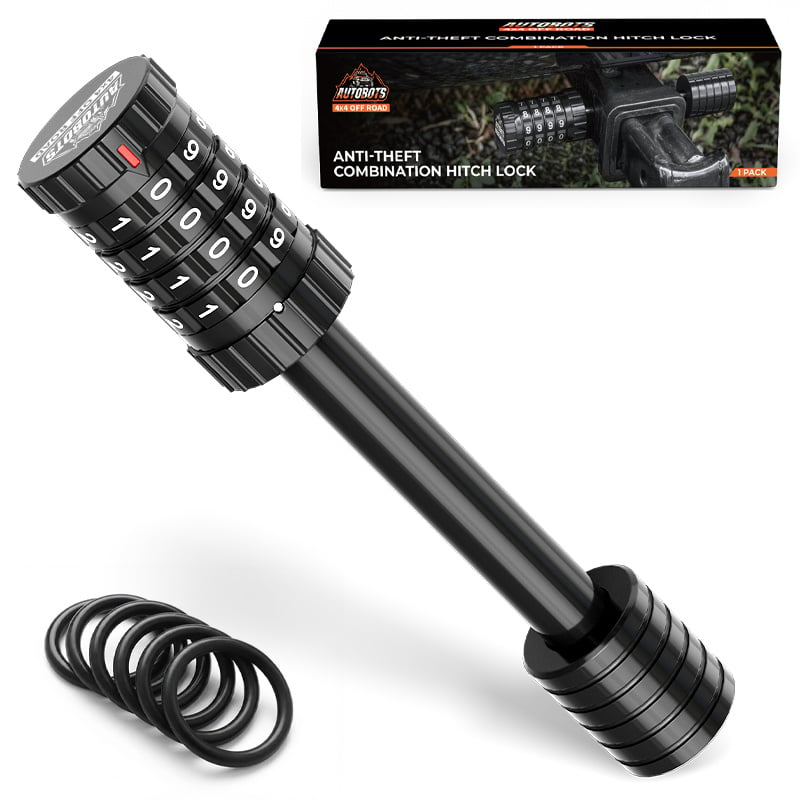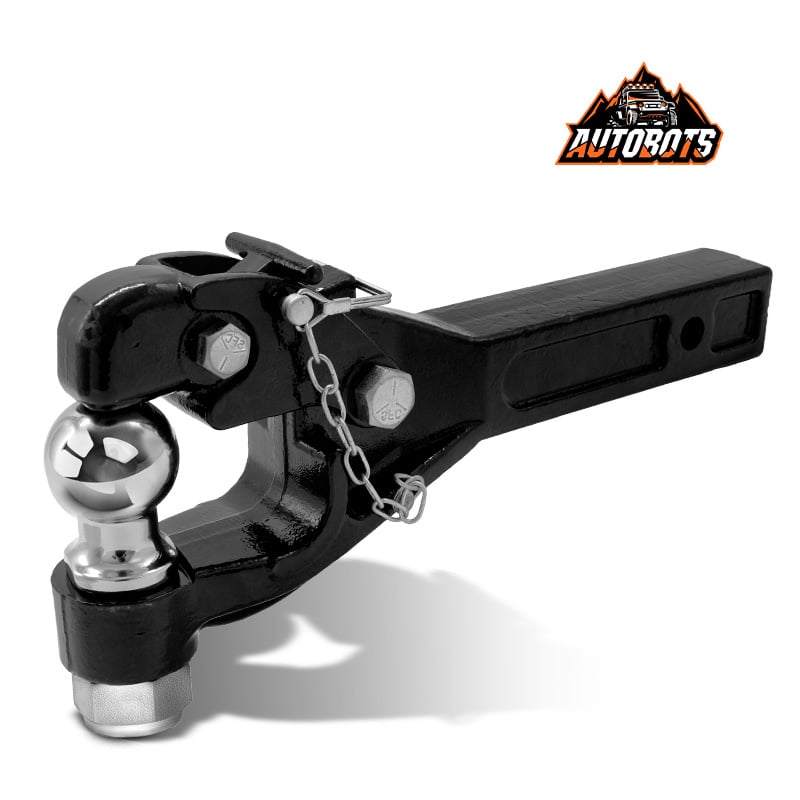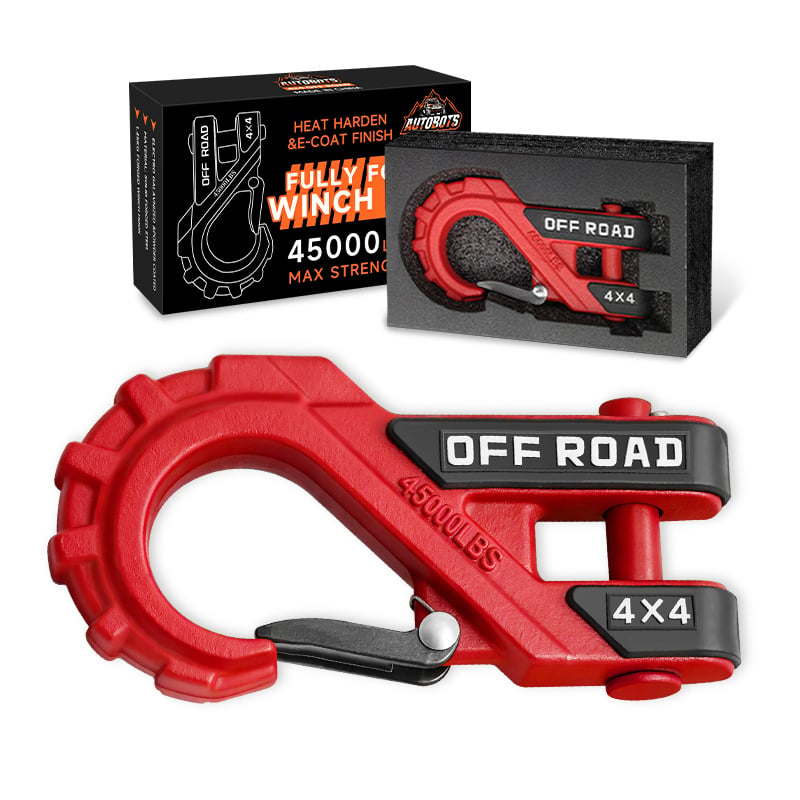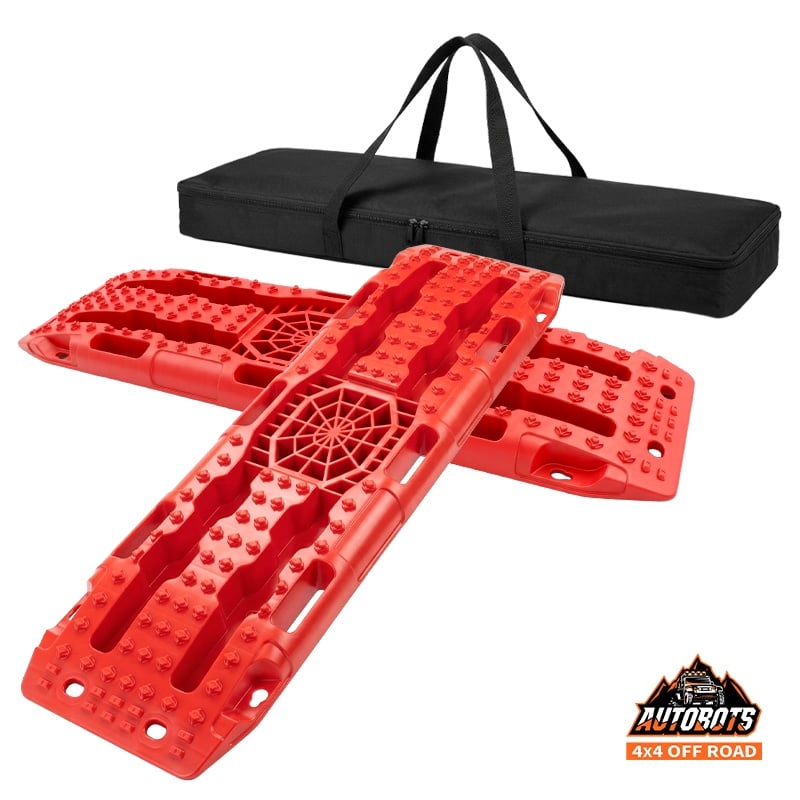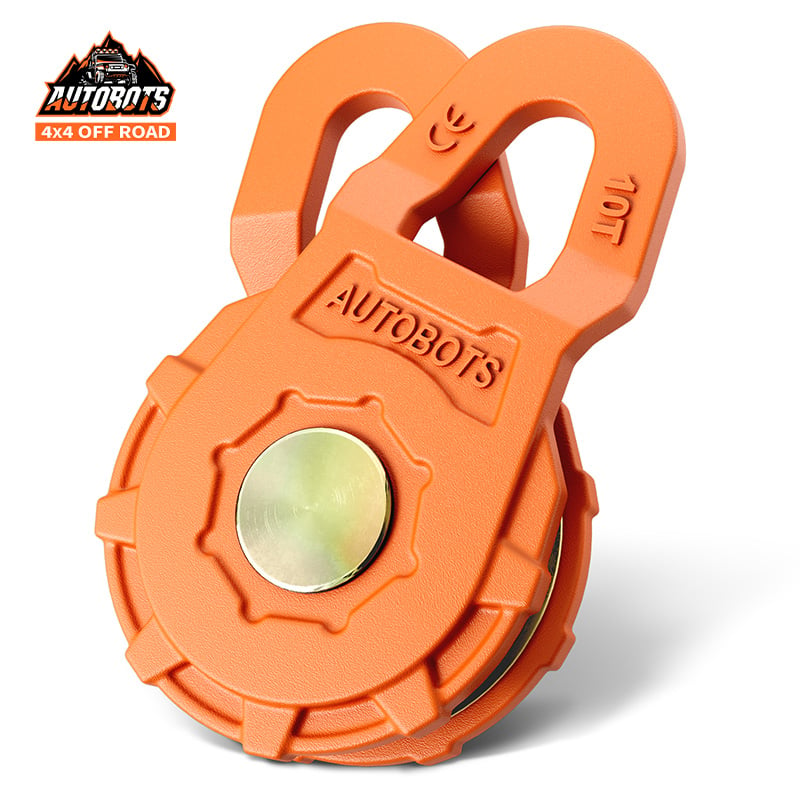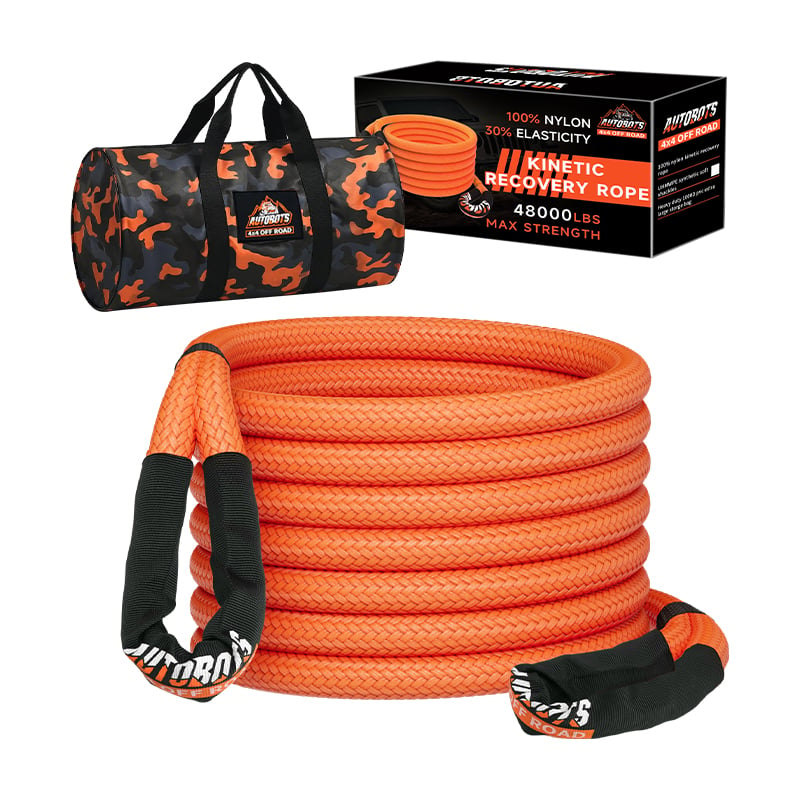

For buyers including fleet management companies, off-road service teams, regional distributors, and emergency rescue institutions, purchasing off-road recovery gear is never a one-time retail deal. Most procurement teams fall into a common trap: prioritizing low upfront unit prices while ignoring long-term hidden costs brought by inferior gear. Many suppliers offer cheap wholesale tow straps, soft shackles, recovery boards, and winch Accessories, but frequent damage, safety hazards, and extra labor expenses make low-cost options far more costly in the long run. This total cost of ownership (TCO) analysis breaks down the real expenditure of bulk off-road recovery gear procurement, helping buyers make cost-effective, low-risk, and long-term profitable decisions in 2026.
The biggest difference between C-end retail and batch procurement lies in evaluation standards. Individual off-road enthusiasts tolerate low-cost, average-performance gear for occasional use. However, for commercial fleets and professional rescue teams, recovery gear is core operational gear that directly impacts work efficiency, staff safety, and overall operating costs. A single recovery gear break can strand vehicles in mud, deserts, or mountain terrain, triggering project delays, economic losses, and even costly safety accidents. For this reason, reliable batch procurement procurement must prioritize 3–5 year total cost of ownership over initial purchase price.
To visualize the real cost gap, we adopt a typical batch procurement procurement scenario: a 50-unit off-road engineering fleet fully equipped with kinetic tow ropes, soft shackles, heavy-duty recovery boards, and safety gloves. We compare low-cost commercial gear and industrial-grade recovery gear based on a 3-year service cycle to reveal the true TCO difference.
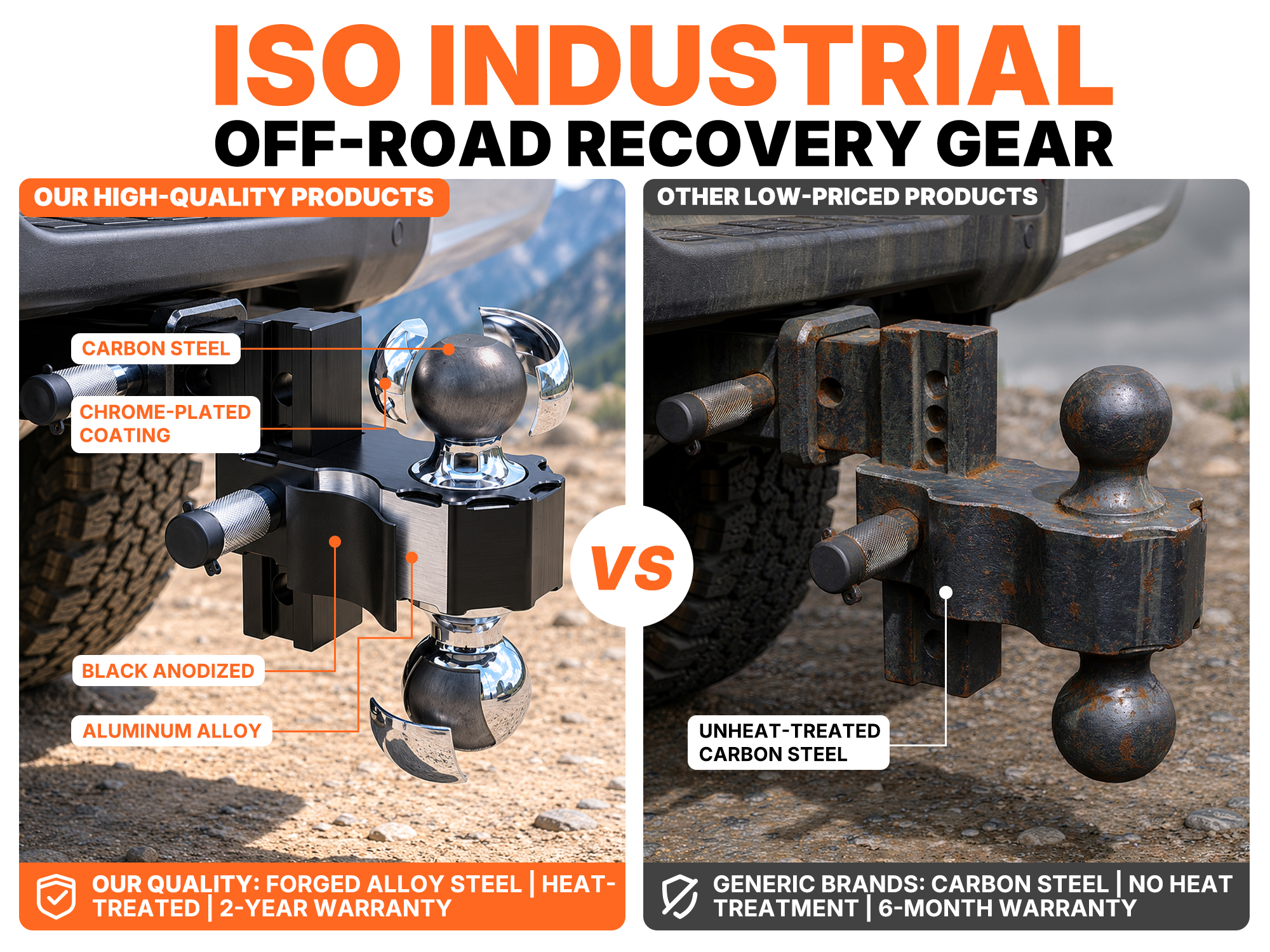
Low-cost gear boasts a 30%–40% lower upfront wholesale price, achieved by cutting production costs with ordinary untreated carbon steel, simple weaving, and basic surface treatment, without strict tensile or fatigue testing. In contrast, industrial-grade recovery gear adopts high-strength alloy steel forging, integral heat treatment, tough polyester weaving, and multi-layer anti-corrosion coatings. Every batch undergoes strict MBS (Minimum Breaking Strength), load stability, and aging tests, complying with SAE, CE, and ISO safety standards. Though the initial investment is slightly higher, its stability and service life far outperform budget alternatives.
Hidden long-term costs are the main reason low-cost gear drains profits. Budget tow ropes easily fray, lose elasticity, or break after 5–10 kinetic recoveries. Ordinary shackles deform and rust rapidly under heavy loads, with coatings failing in muddy, salty, or high-temperature desert environments. Within three years, low-grade gear requires 3–4 full replacements, bringing repeated procurement work and extra inventory pressure. Worse, most cheap gear has falsely labeled tonnage and unstable load resistance. Sudden breakage during recovery operations causes vehicle stalling and construction shutdowns, where a single day of fleet idle loss vastly exceeds the price of a full recovery gear set.
Industrial-grade off road recovery gear delivers reliable, long-lasting performance to eliminate such waste. Forged and tempered carbon steel shackles maintain stable structural strength after repeated heavy-load traction. Thickened high-toughness polyester tow ropes withstand over 50 standard kinetic recoveries without performance decay. Professional anti-corrosion plating and polymer coatings resist salt fog, high-temperature aging, and mud erosion, adapting to all harsh off-road scenarios worldwide. Over three years, industrial-grade off road recovery gear only needs routine inspection and minor Accessories replacement, completely avoiding frequent full-set repurchases.
Safety and labor costs further widen the TCO gap. Inferior off road recovery gear may snap or rebound violently during use, causing worker injuries and vehicle damage. Related medical compensation, project penalties, and safety rectification fees bring huge unplanned expenses. Additionally, uncertified low-quality recovery gear faces customs detention, fines, and order losses for cross-border buyers. All industrial-grade bulk off road recovery gear comes with complete certification documents and test reports, eliminating safety and customs risks. Its consistent quality also reduces inspection and maintenance frequency, saving substantial labor and management costs.
For distributors, off road recovery gear quality directly determines long-term profitability and reputation. Cheap low-end products only support one-time transactions, accompanied by endless after-sales complaints and returns, ruining brand credibility. Industrial-grade recovery gear with stable quality and standardized parameters helps distributors retain repeat customers, build a premium brand image, and secure sustainable long-term profits.
Three-year TCO verification confirms that for a 50-vehicle fleet, low-cost recovery gear generates over 50% higher comprehensive costs than industrial-grade bulk recovery gear. Low-price procurement is merely short-term cost savings at the cost of frequent replacements, safety risks, and after-sales costs.
Smart batch procurement procurement shifts focus from “lowest unit price” to “lowest total ownership cost”. We offer an exclusive custom TCO calculation template for bulk clients to accurately calculate 3-year and 5-year off road recovery gear costs based on your fleet scale and application scenarios. We also provide one-stop services including custom logo printing, scenario-based parameter adjustment, and standardized bulk packaging with complete certifications and stable delivery.
If you need to optimize your procurement cost structure and reduce operational risks, contact our professional After-sales Team for a free personalized TCO solution and exclusive bulk wholesale quote.
 Hot News
2026-05-29
2026-05-22
2026-05-14
2026-01-29
2026-01-23
2026-01-10
Be the first to get our latest styles and offers.
Building7, Rubber Valley Tower, Qingdao, Shandong, China
Copyright © Qingdao Huilisheng Rigging Hardware Product Co., Ltd. All Rights Reserved - Privacy Policy
 EN
EN