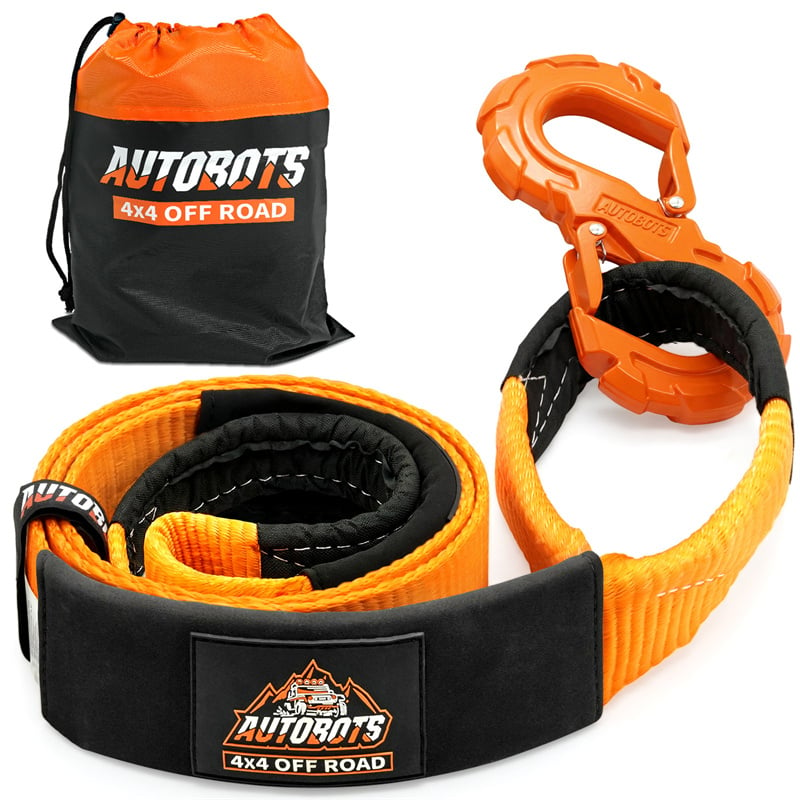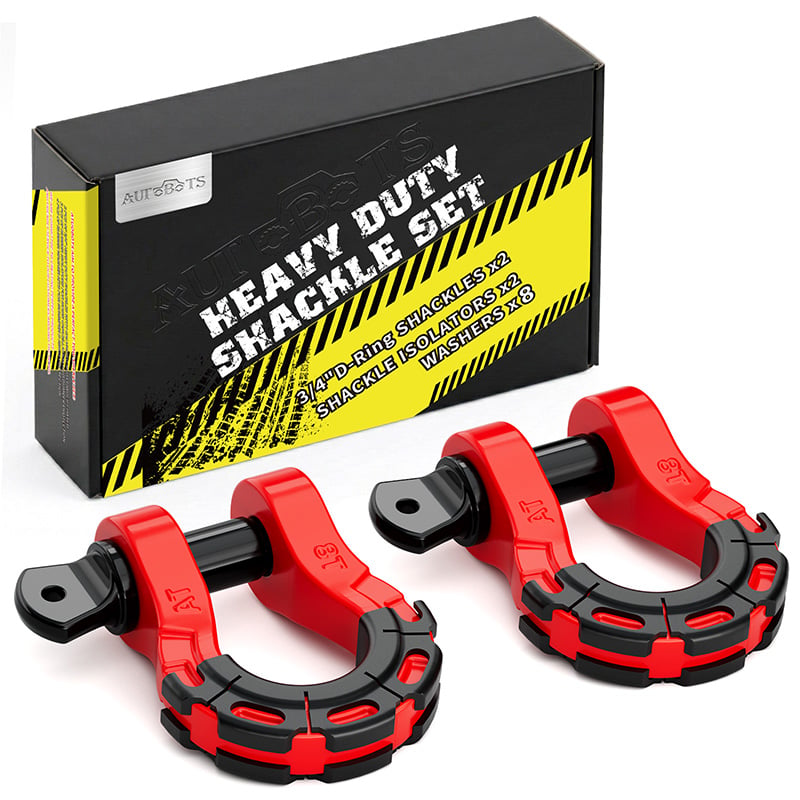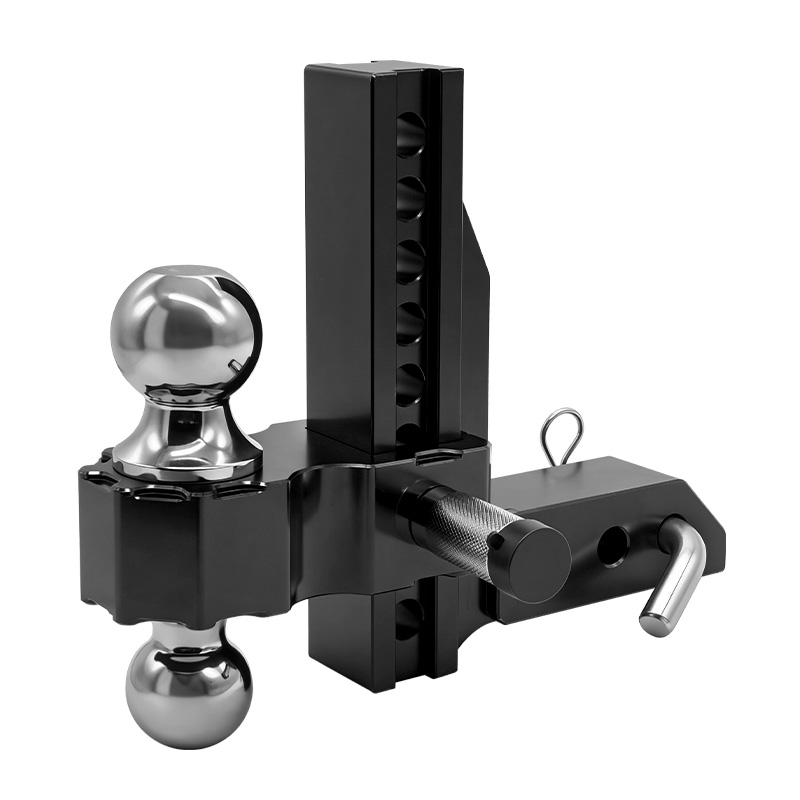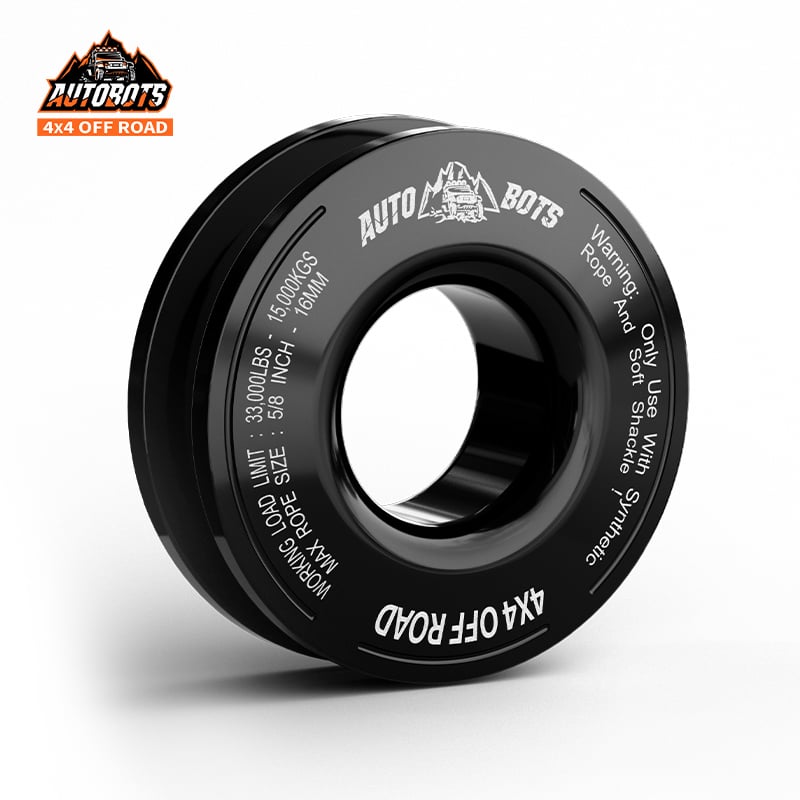

The overlanding market has transformed from a niche hobby into a global multi-billion dollar phenomenon, and 2026 is set to be a breakout year for the industry. This shift is not merely about weekend camping; it represents a long-term, structural transition toward self-sufficient travel across challenging terrain. For wholesalers and agents in the recovery gear and trailer accessories sectors, this evolution presents a massive opportunity to capture a high-spending, quality-conscious demographic. The modern overlander is no longer satisfied with generic equipment; they demand specialized solutions that are durable, versatile, and aesthetically synchronized with their high-end vehicle builds. Understanding the intricate trends driving this boom is essential for any independent station operator looking to position themselves at the heart of the global outdoor exploration supply chain.
The concept of the "off-road trailer" has been completely reimagined for 2026. It is no longer just a utility box on wheels; it has become a mobile basecamp equipped with sophisticated technology. Overlanders are now prioritizing trailers that feature independent trailing-arm suspension, integrated lithium power systems, and modular kitchen units. For wholesalers, this means the demand for specialized components—such as articulating off-road couplers, heavy-duty stabilizing jacks, and custom-engineered rock sliders—is at an all-time high. Sourcing these specialized accessories allows you to serve a premium market segment that is far less price-sensitive and more focused on engineering excellence. By offering integrated component packages, you provide your retail agents with a compelling value proposition that simplifies the complex building process for their end-customers.
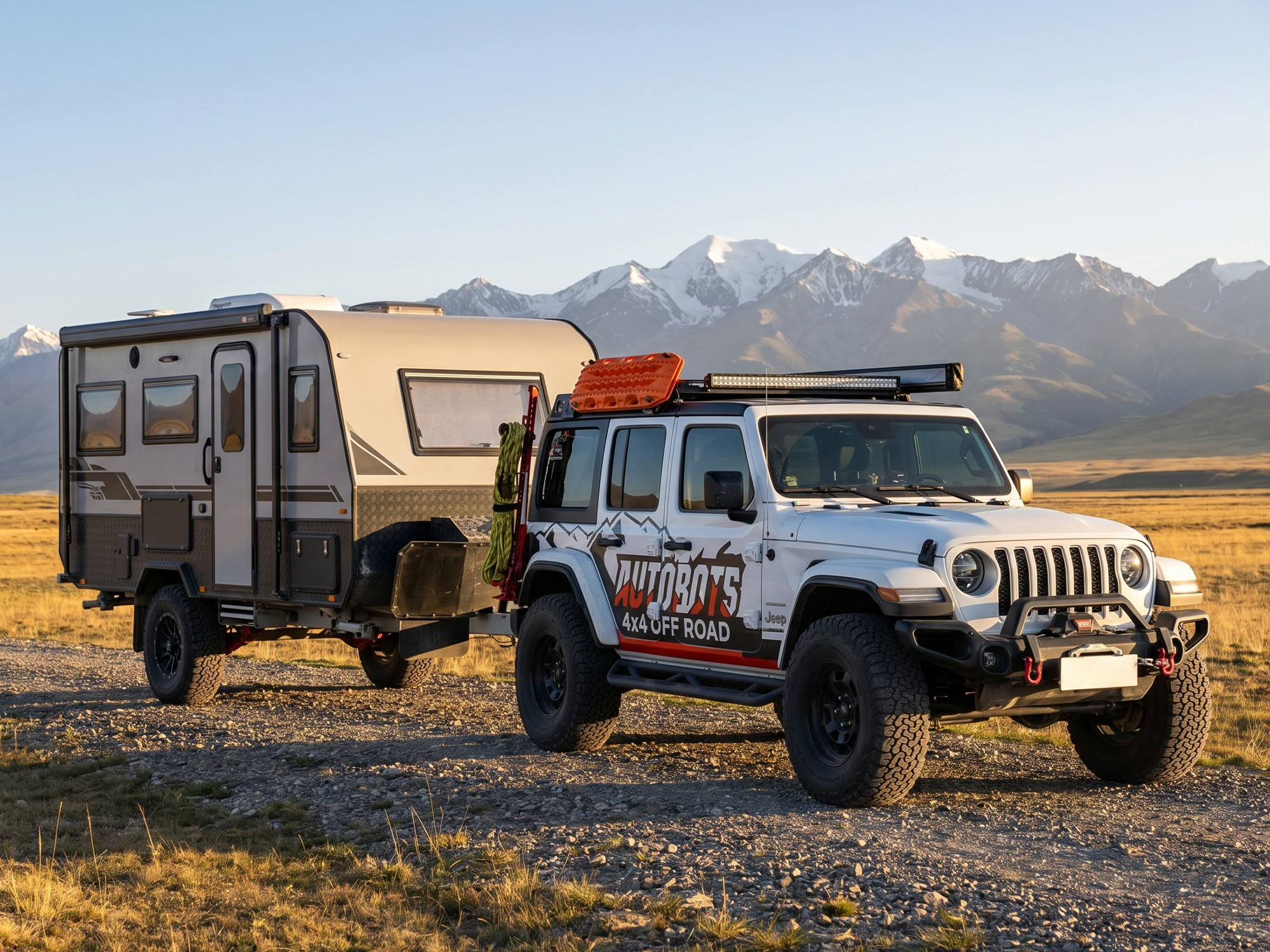
One of the most significant trends entering 2026 is the demand for modularity. Today’s overlanders want gear that can grow with their needs. This has led to the rise of modular roof racks and bed systems that allow for the easy attachment of recovery boards, fuel cans, and lighting arrays. From a B2B perspective, modularity is a dream for inventory management. Instead of stocking a hundred different vehicle-specific parts, wholesalers can offer universal base systems with interchangeable mounting brackets. This reduces the capital tied up in slow-moving inventory while allowing retailers to offer "bespoke" solutions to their clients. Promoting these modular ecosystems on your independent station positions your brand as a forward-thinking leader that understands the DIY and customization culture that defines the modern overlanding community.
Social media continues to be the primary engine driving overlanding sales. Platforms like Instagram, YouTube, and TikTok have created a "Vibe Marketing" era where the visual appeal of gear is just as important as its mechanical performance. Customers want equipment that looks professional and "expedition-ready." For wholesalers, this means that product design, finishing, and packaging are more critical than ever. Agents are actively seeking brands that have a strong digital footprint and lifestyle appeal. By providing your dealers with high-quality media assets—including cinematic action videos and lifestyle photography—you empower them to tap into these digital communities effectively. This collaborative approach ensures that your products are not just sitting on shelves but are being showcased in the environments where they are intended to perform.
As the automotive world moves toward electrification, the overlanding sector is facing a new challenge: weight management. Electric vehicles (EVs) are highly sensitive to payload and aerodynamic drag. In 2026, we are seeing a massive push for lightweight, high-strength materials such as forged aluminum hitches and carbon-fiber-reinforced recovery boards. Wholesalers who proactively source "EV-Ready" gear will secure a significant first-mover advantage. Furthermore, sustainability is becoming a major factor in purchasing decisions. Buyers are increasingly looking for brands that utilize recycled materials and offer repairable designs over "throwaway" products. Highlighting the weight-to-strength ratio and the environmental credentials of your product line is a powerful way to differentiate your brand in a crowded market and appeal to the next generation of eco-conscious explorers.
As overlanding gear becomes more complex, the regulatory environment is also tightening. In 2026, professional buyers and government agencies are demanding higher levels of certification and quality assurance. This includes dynamic stress testing for tow bars and strict safety ratings for recovery points and winches. For a global wholesaler, being the "compliance expert" is a major competitive edge. Providing your agents with full documentation—such as CE, SAE, or AS/NZS standards—removes the legal barriers to entry in lucrative markets like Australia, Europe, and North America. By taking responsibility for risk management and technical validation, you offer a "hassle-free" partnership that professional procurement officers and high-end retailers value immensely, allowing you to maintain premium pricing and secure long-term contracts.
To succeed in the 2026 overlanding market, wholesalers must evolve from being simple vendors to being strategic partners. This involves building deep, collaborative relationships with manufacturers who are at the cutting edge of material science and electronics. It may also mean securing exclusive regional distribution rights for innovative products that solve specific overlanding pain points, such as ultra-compact air compressors or integrated TPMS for trailers. For your independent station, the strategy should focus on "curated excellence." Instead of cluttering your catalog with mediocre items, focus on a high-performance selection that has been tested in real-world conditions. This commitment to quality builds a resilient business model that can withstand market fluctuations and consistently deliver growth for your partners and your brand.
The 2026 roadmap for the overlanding industry is one of unprecedented growth and technological advancement. It is a sector where passion meets precision engineering. For businesses in the off-road and towing accessories world, the opportunity to scale has never been greater. By focusing on modularity, lightweight innovation, and digital-first marketing strategies, you can build a robust distribution network that meets the evolving needs of the global traveler. The key to dominance in this era is not just selling a product, but selling the confidence to explore the unknown. As you update your independent station and engage with your agents, remember that every piece of gear you provide is a critical part of a customer’s journey. By prioritizing quality and innovation, you ensure that your business remains at the forefront of the global overlanding revolution.
 Hot News
2026-05-29
2026-05-22
2026-05-14
2026-01-29
2026-01-23
2026-01-10
Be the first to get our latest styles and offers.
Building7, Rubber Valley Tower, Qingdao, Shandong, China
Copyright © Qingdao Huilisheng Rigging Hardware Product Co., Ltd. All Rights Reserved - Privacy Policy
 EN
EN