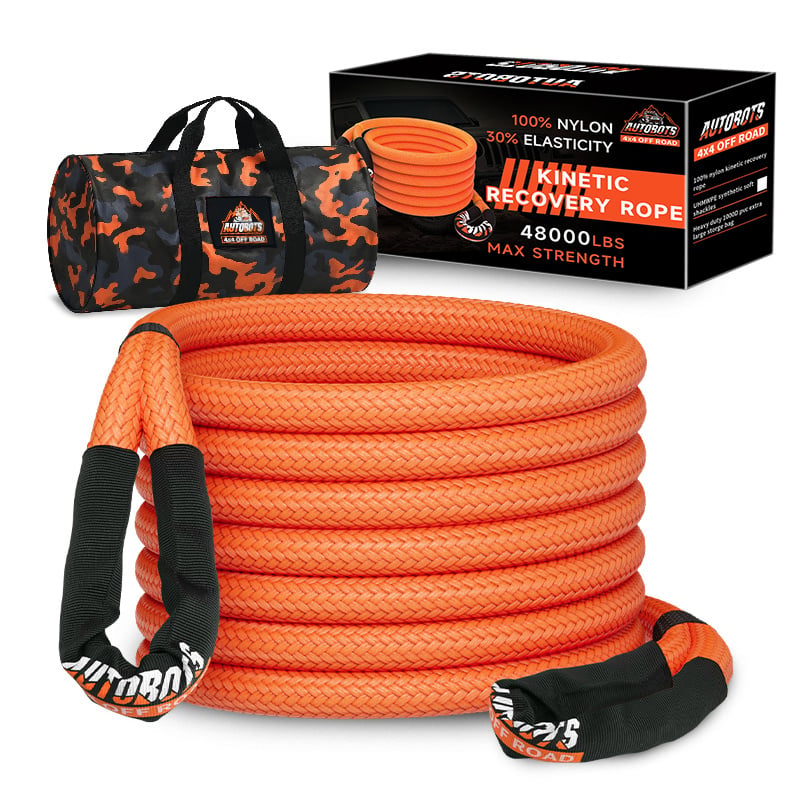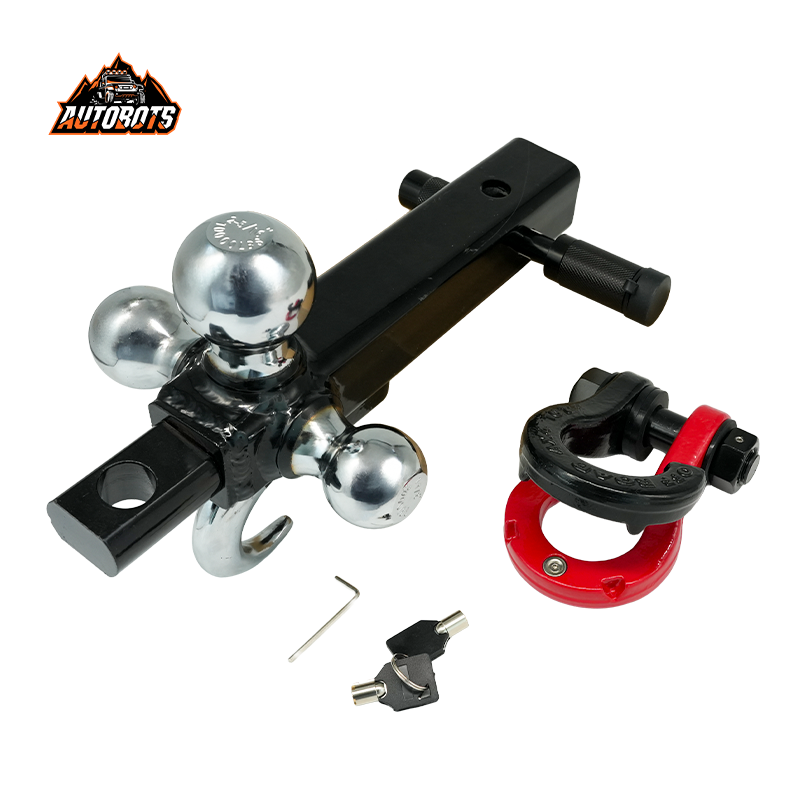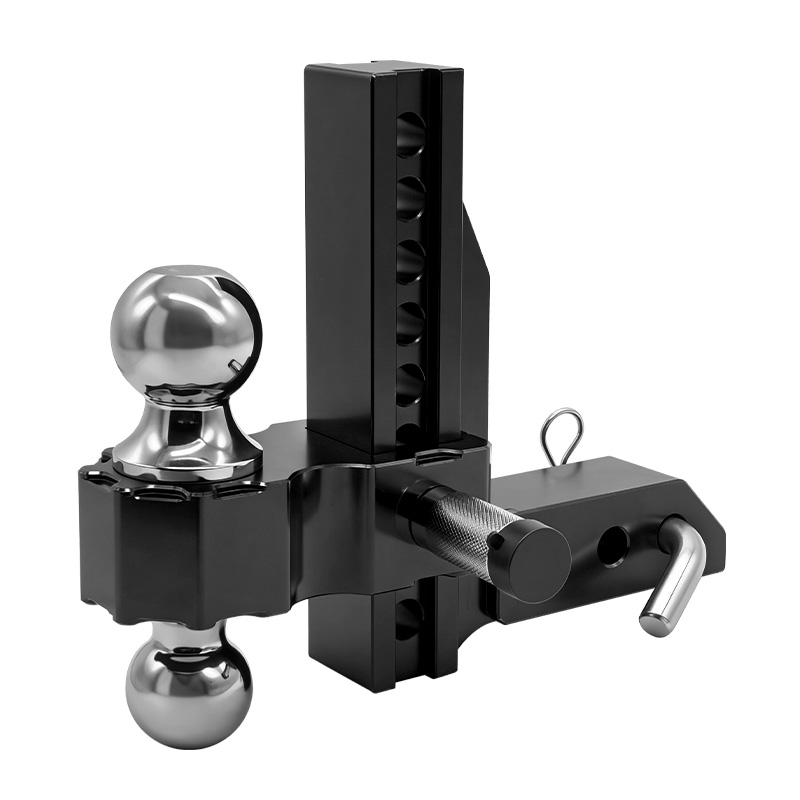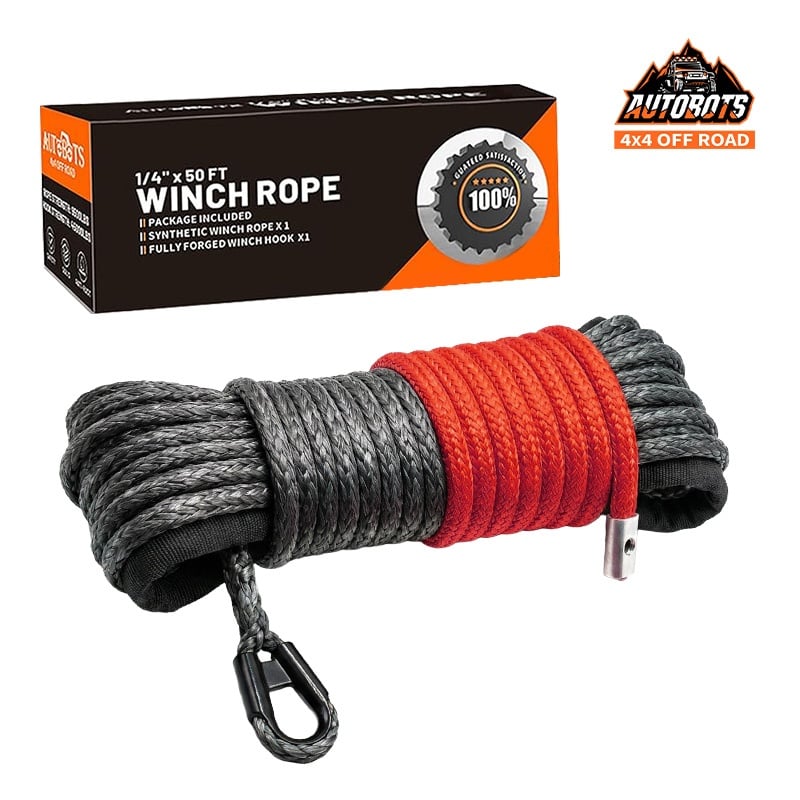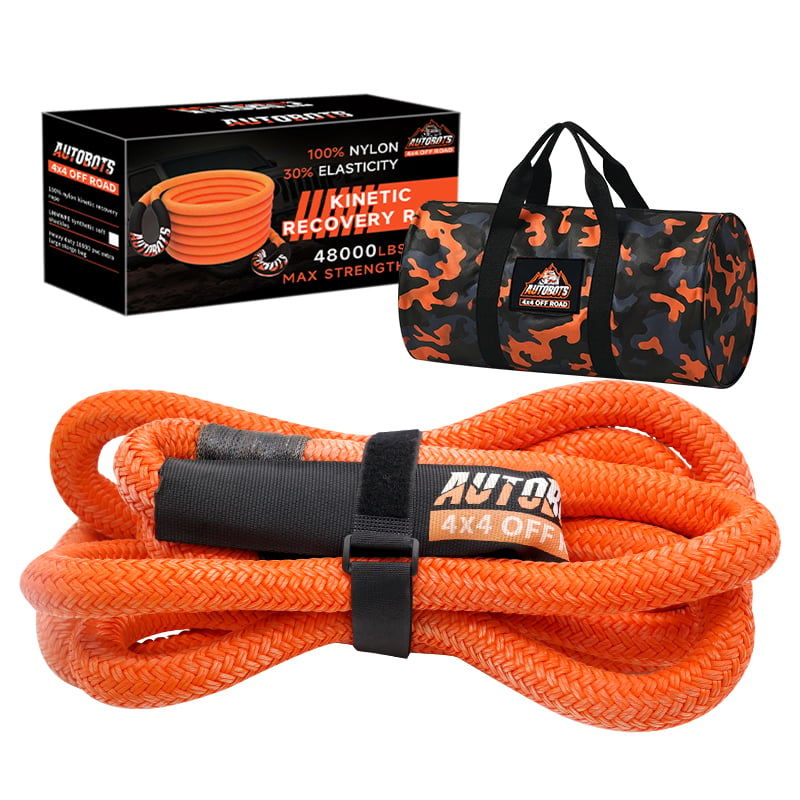

In the rugged world of off-road exploration and overlanding, the mantra has always been "preparedness is everything." For decades, that preparedness was measured in pounds of heavy-duty steel. If you didn’t have a trunk full of clanking D-rings, heavy snatch blocks, and grease-covered pulleys, you weren't ready for the trail. However, a significant shift is occurring in the 4x4 community. Safety-conscious overlanders are increasingly ditching their heavy steel hardware in favor of lightweight, high-strength synthetic alternatives. Specifically, the combination of soft shackles and recovery rings is setting a new standard for synthetic winch rope safety and recovery efficiency.
Traditional recovery gear, centered around steel D-rings and heavy pulley blocks, served its purpose for generations. These tools are undeniably strong and durable. However, they come with inherent risks that are difficult to mitigate. The primary concern is kinetic energy. When a steel shackle or snatch block fails under the immense tension of a vehicle recovery, it effectively becomes a high-velocity projectile. In the unfortunate event of a rope or mounting point failure, these heavy metal components can fly through the air with enough force to penetrate bodywork, shatter glass, or cause catastrophic injury to bystanders.
The introduction of synthetic winch ropes paved the way for a revolution in hardware. As overlanders transitioned away from dangerous steel cables, the need for lighter, safer connecting links became apparent. This is where modern engineering, exemplified by brands like Autobots 4x4, has stepped in to provide solutions that prioritize both performance and human safety.
The soft shackle is perhaps the most significant advancement in recovery technology in recent years. Constructed from High-Modulus Polyethylene (HMPE) fibers—often the same material used in synthetic winch lines—these loops offer a strength-to-weight ratio that puts steel to shame.
The most compelling argument for the soft shackle is safety. Because they are constructed from lightweight fibers, a soft shackle lacks the mass required to become a lethal projectile. If a recovery system fails, the soft shackle simply drops or flies with minimal momentum compared to a multi-pound steel D-ring. For safety-conscious overlanders, this "soft" failure mode is a critical factor in risk management on the trail.
Weight and Portability
A traditional 3/4-inch steel D-ring can weigh anywhere from 2 to 4 pounds. An equivalent soft shackle from Autobots 4x4 weighs just a few ounces. When you multiply this by the number of shackles required for a complex recovery, the weight savings are substantial. For overlanders concerned about Payload and Gross Vehicle Weight Rating (GVWR), every pound saved is a pound that can be used for water, fuel, or camping gear.
Soft shackles are flexible. Unlike rigid steel D-rings, they can be looped through small recovery points, around bumper bars, or through wheel spokes (in emergency situations) without the risk of metal-on-metal damage. They don't rattle in your storage bins, and they won't scratch your vehicle's expensive powder-coated bumper. Furthermore, they float in water and mud, making them significantly easier to retrieve if dropped during a water crossing recovery.
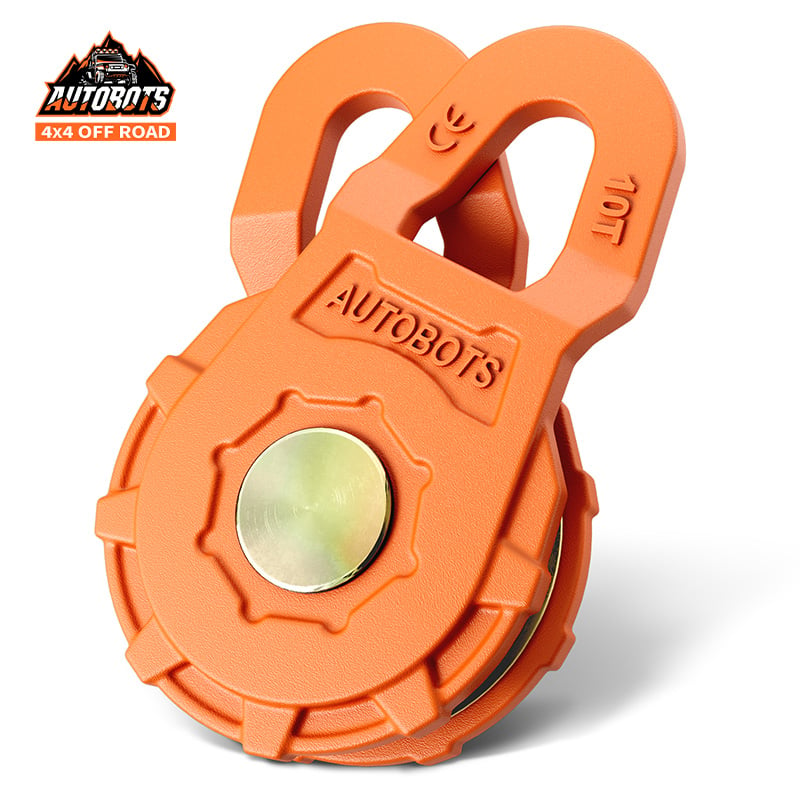
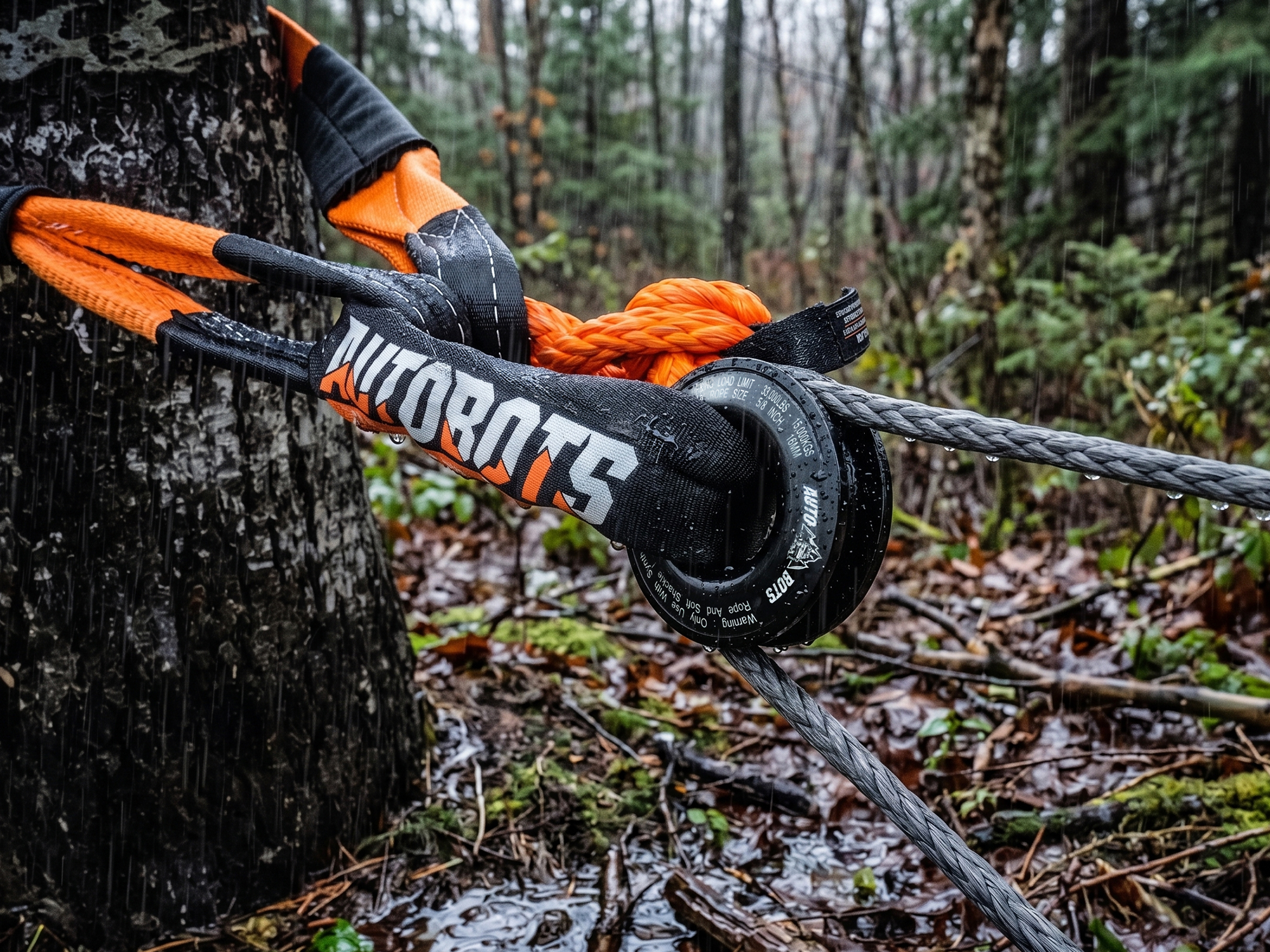
If the soft shackle is the replacement for the D-ring, the recovery ring (sometimes called a snatch ring) is the modern successor to the traditional snatch block. Used in conjunction with a soft shackle, the recovery ring provides a lightweight way to create a mechanical advantage or change the direction of a winch pull.
Traditional snatch blocks are mechanical assemblies with moving parts, bearings, and heavy steel plates. They require regular maintenance to ensure the pulley rotates freely and doesn't rust. In contrast, a recovery ring is a single piece of precision-machined aluminum with no moving parts. The "bearing" surface is the ring itself, which is designed to allow the synthetic winch rope to slide smoothly over its surface.
Modern recovery rings, like those engineered by Autobots 4x4, feature specialized coatings (often Teflon or hard-anodized finishes) to minimize friction. This is crucial for synthetic winch rope safety, as heat is the primary enemy of synthetic fibers. By distributing the load over a larger radius and utilizing high-performance materials, recovery rings manage the stresses of a heavy pull without the bulk of a traditional pulley.
Using synthetic winch rope with traditional steel snatch blocks can be problematic. Older snatch blocks may have narrow grooves designed for steel cable, which can pinch or abrade synthetic fibers. Additionally, if the steel pulley develops any burrs or rust, it can quickly degrade the integrity of a synthetic line.
The recovery ring and soft shackle combo is specifically designed to complement synthetic lines. The smooth, rounded surfaces of an Autobots 4x4 recovery ring ensure that the rope's fibers are not subjected to sharp angles or abrasive surfaces. This synergy extends the life of your expensive winch rope and ensures that the entire recovery system remains as safe as possible.
When choosing recovery gear, brand reputation and testing standards are paramount. Autobots 4x4 has emerged as a leader in this space by focusing on the specific needs of the 4x4 community. Their soft shackles are crafted from high-grade HMPE and are rigorously tested to ensure they meet or exceed their rated breaking strengths.
The Autobots 4x4 recovery rings are machined from 6061-T6 aluminum, providing a perfect balance of strength and lightness. By investing in a matched set of Autobots shackles and rings, overlanders can be confident that their gear is designed to work together seamlessly.
While synthetic gear is safer and lighter, it is not "set and forget." To maintain peak safety:
1. Clean After Use: Mud and grit can act like sandpaper on synthetic fibers. Always rinse your soft shackles after a muddy recovery.
2. Inspect for Abrasion:Check for fuzzing or cuts in the fibers. While some surface "fuzz" is normal, deep cuts mean it's time for a replacement.
3. Check the Ring Surface: Ensure your recovery ring hasn't sustained any deep gouges or scratches that could snag the rope.
4. Avoid UV Exposure: Store your synthetic gear in an opaque bag or storage box when not in use, as prolonged UV exposure can weaken the fibers over time.
The transition from steel to synthetic gear is more than just a trend; it is a fundamental improvement in how we approach off-road safety. By replacing heavy D-rings and snatch blocks with Autobots 4x4 soft shackles and recovery rings, you are reducing the "missile risk" on the trail, saving significant weight, and simplifying your recovery kit.
For the safety-conscious overlander, the choice is clear. While steel still has its place in some industrial applications, the modern trail belongs to the lightweight, the strong, and the synthetic. Upgrade your kit today and experience the peace of mind that comes with the latest in synthetic winch rope safety technology.
 Hot News
2026-05-29
2026-05-22
2026-05-14
2026-01-29
2026-01-23
2026-01-10
Be the first to get our latest styles and offers.
Building7, Rubber Valley Tower, Qingdao, Shandong, China
Copyright © Qingdao Huilisheng Rigging Hardware Product Co., Ltd. All Rights Reserved - Privacy Policy
 EN
EN