
The debate between aluminum and steel for trailer hitch components has intensified in 2026. With advances in 6061-T6 aluminum alloys and premium carbon steel treatments, the choice is no longer as simple as "steel is stronger." Understanding the trade-offs in weight, corrosion resistance, strength-to-weight ratio, and total cost of ownership is essential for fleet managers, off-roaders, and marine towers alike.
Whether you are navigating the rugged trails of the Australian Outback or the salt-covered highways of the American Midwest, choosing the best hitch material 2026 requires a deep dive into the engineering behind these materials. This hitch material comparison will break down the pros and cons of each to help you make an informed decision for your towing setup.
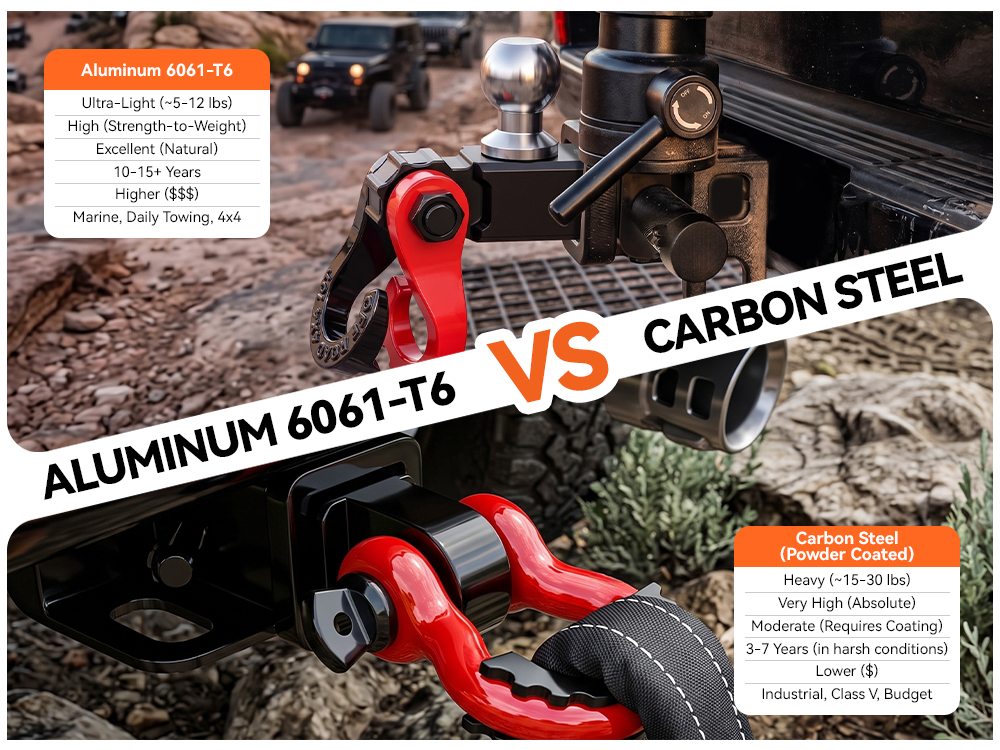
In the world of towing, weight is everything. One of the most immediate advantages of an aluminum trailer hitch ball mount is its significant weight reduction compared to its steel counterpart. Typically, aluminum components weigh approximately 40% to 50% less than steel.
Why does this matter? For one, reducing the weight of the components you insert into your trailer hitch reduces overall "hitch sag." Every pound added to the receiver is a pound subtracted from your vehicle's payload capacity. By opting for lighter components, you preserve more of that capacity for actual tongue weight.
Furthermore, lighter components make installation and removal a breeze. If you are someone who frequently switches between different trailers, the physical strain of lugging around a 20-pound steel drop hitch versus a 10-pound aluminum one is noticeable. Over time, heavy steel components can also cause increased wear and tear on the receiver tube due to constant vibration and leverage. For those prioritizing fuel economy and ease of use, aluminum is the clear winner in the steel vs aluminum towing weight category.
Corrosion is the silent killer of towing equipment. For those living in the "Salt Belt" of North America or coastal regions of Australia, a corrosion resistant hitch is not a luxury—it is a necessity.
Aluminum naturally resists rust because it forms a thin, protective layer of aluminum oxide when exposed to air. This makes it the premier choice for marine applications, such as boat trailers that are frequently submerged in salt water. Even when scratched, aluminum remains largely unaffected by the elements.
In contrast, steel is highly susceptible to oxidation. To combat this, steel components require heavy-duty powder coating, chrome plating, or galvanizing. While these treatments are effective initially, any scratch or chip in the coating—which is inevitable in the rough-and-tumble world of 4x4 off-roading—becomes a localized point for rust to take hold. Once rust starts under a powder coat, it can spread rapidly, compromising the structural integrity of the component. If your towing involves salt water or winter road salt, aluminum’s natural defenses provide a massive advantage in longevity.
When people think of steel, they think of strength. And they aren't wrong. Steel offers a higher absolute tensile strength, which is why it remains the industry standard for Class V extreme-duty towing. If you are hauling a 20,000-lb gooseneck trailer, you want the unyielding density of carbon steel.
However, the "strength" argument for the aluminum vs steel hitch debate has shifted. Modern 6061-T6 aluminum alloys are heat-treated to provide an incredible strength-to-weight ratio. For most Class III and Class IV applications (up to 10,000 lbs), aluminum ball mounts are more than capable of handling the load while being significantly lighter.
The trade-off is often found in "hardness." Steel is harder and more resistant to surface deformation. An aluminum ball mount might show more "marring" from the trailer coupler over years of use compared to steel. However, in terms of sheer pulling power for the average user, both materials are exceptionally viable, with steel retaining the crown for specialized, ultra-heavy industrial loads.
The initial price tag is often where steel wins. Carbon steel components are generally cheaper to manufacture and purchase upfront. For a budget-conscious tower who only uses their trailer once or twice a year in a dry climate, steel is a perfectly logical choice.
However, the "Total Cost of Ownership" (TCO) story favors aluminum. Because aluminum does not rust, it essentially has an infinite lifespan in terms of environmental degradation. A steel hitch that costs USD 50 today might need to be replaced in 3 to 5 years due to unsightly and unsafe rust. An aluminum hitch costing USD 100 today could easily last 15 years or more. When you factor in the lack of maintenance (no need to sand and repaint rust spots) and the potential fuel savings from reduced weight, aluminum often proves to be the more economical choice over a long enough timeline.
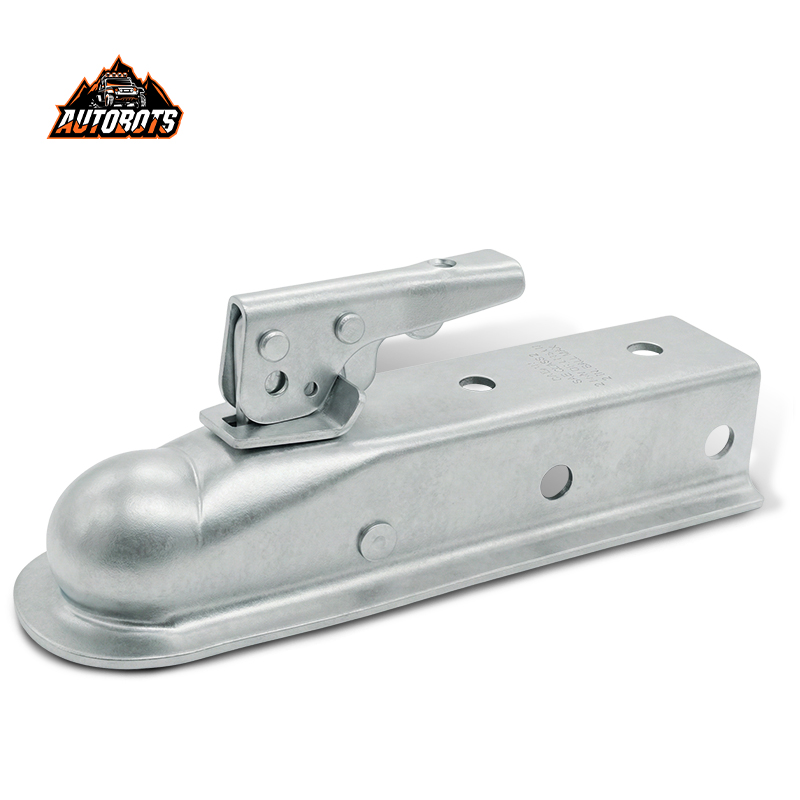
Deciding between aluminum and steel often depends on the specific trailer & towing accessories you are looking at:
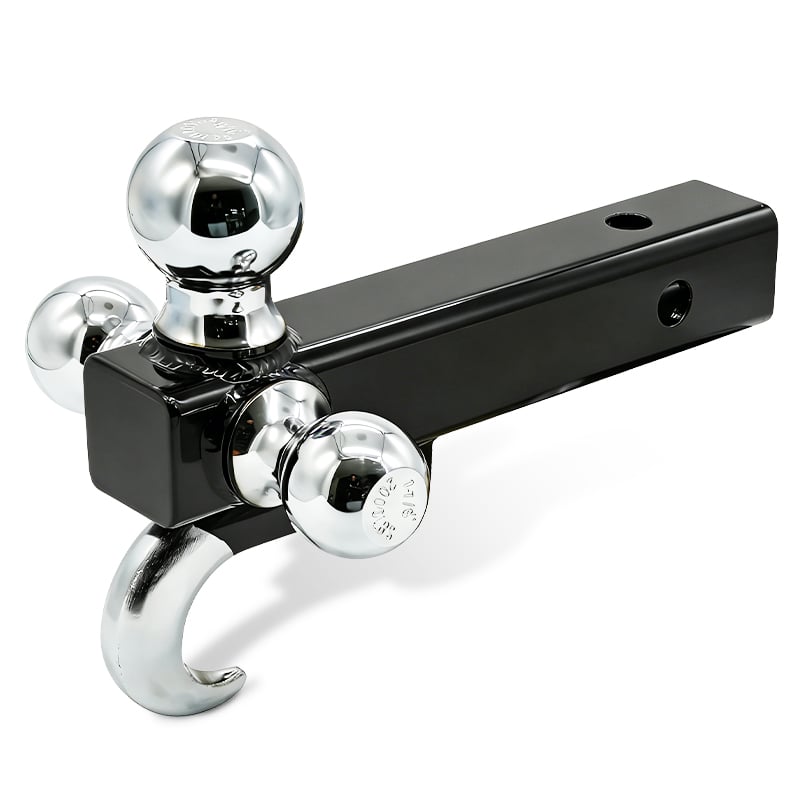
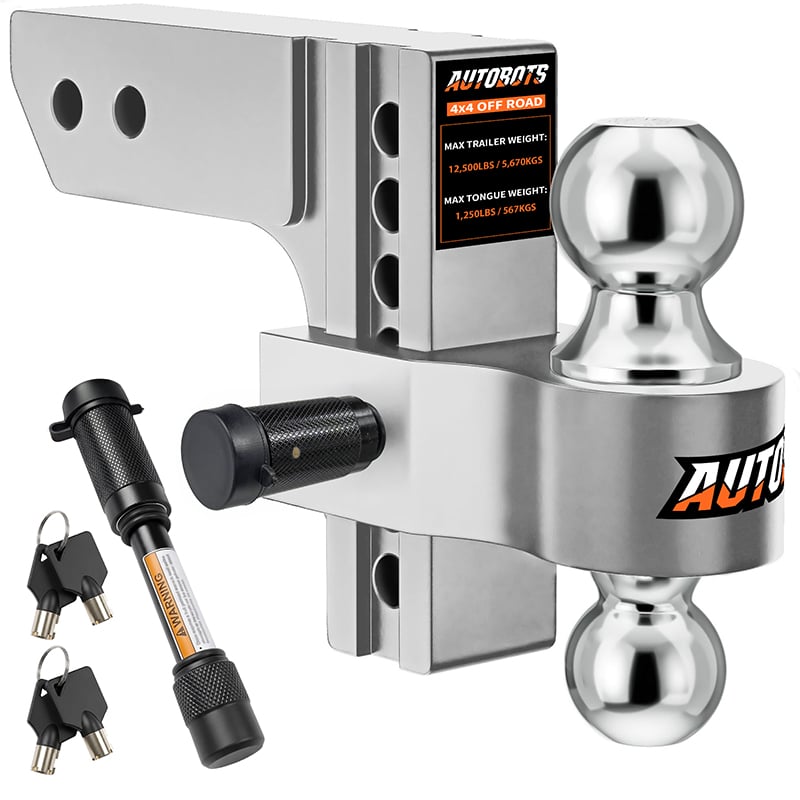
Ball Mounts: Use aluminum for daily drivers, multi-trailer setups, and marine use. Use steel for dedicated, heavy-duty hauling where the mount stays in the receiver permanently. Check out our latest trailer hitch ball mount options for both materials.
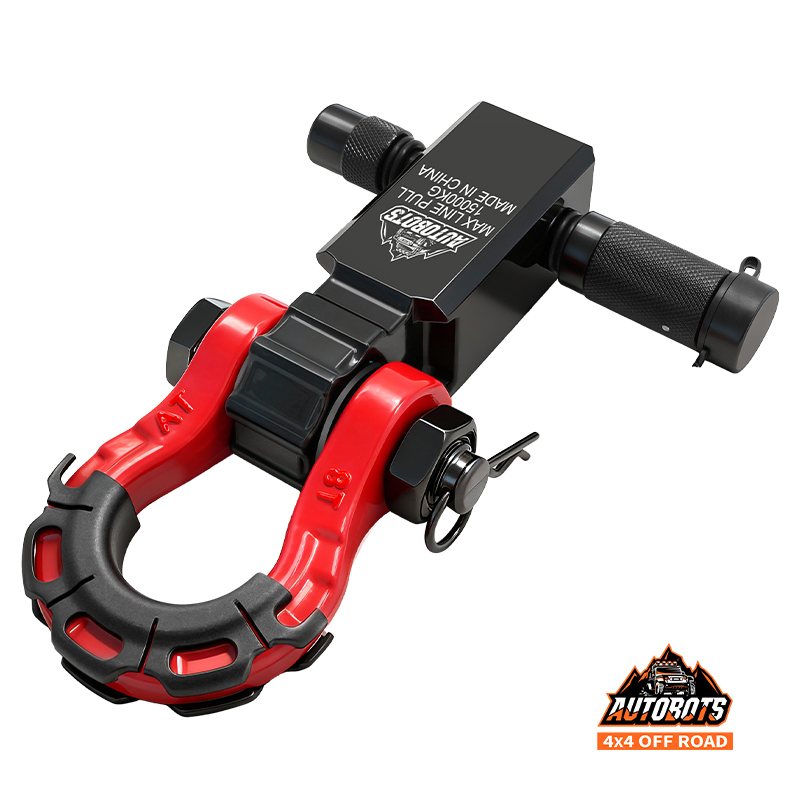
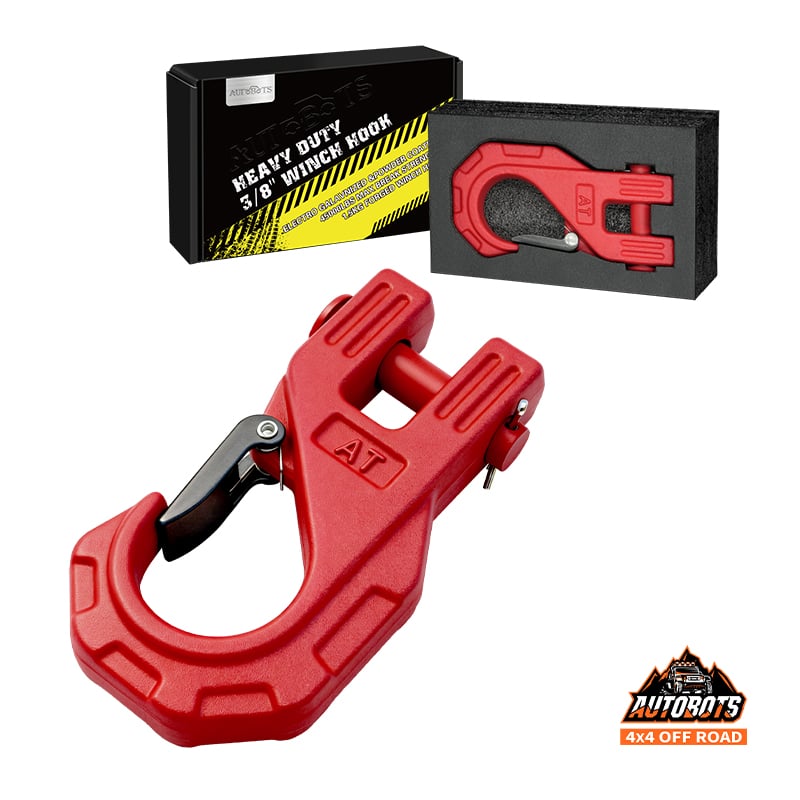
D-Ring Hitches: Steel is preferred for heavy recovery loads where the "shock" of a kinetic pull requires maximum density. Aluminum d-ring hitches are excellent for lighter accessory mounting or "soft" recovery tasks where weight on the rear axle is a concern.
Hitch Receivers: The receiver itself (the part bolted to the vehicle frame) is almost always made of steel for structural reasons. The "aluminum vs steel" choice applies to the components you insert into that receiver.
| Feature | Aluminum 6061-T6 | Carbon Steel (Powder Coated) |
| Weight per Component | Ultra-Light (~5-12 lbs) | Heavy (~15-30 lbs) |
| Tensile Strength | High (Strength-to-Weight) | Very High (Absolute) |
| Corrosion Resistance | Excellent (Natural) | Moderate (Requires Coating) |
| Typical Lifespan | 10-15+ Years | 3-7 Years (in harsh conditions) |
| Upfront Cost | Higher ($$$) | Lower ($) |
| Best Application | Marine, Daily Towing, 4x4 | Industrial, Class V, Budget |
In 2026, the winner of the aluminum vs steel hitch battle depends entirely on your environment. If you want a "buy it once" solution that resists the harshest coastal salt and keeps your vehicle's tongue weight low, aluminum is the superior choice. If you are doing extreme heavy lifting or need the most cost-effective entry point for occasional use, steel remains the king of the road.
OEM Aluminum and Steel Hitch Component Inquiry — Custom Solutions for Your Product Line. Request Dealer Pricing.
At Autobots4x4, we specialize in high-performance towing solutions for the USA and Australia markets. Whether you need the lightweight resilience of aluminum or the raw power of steel, our engineering team can provide the components your fleet requires.
Contact us today for bulk inquiries and custom manufacturing specifications.
 Hot News
2026-05-29
2026-05-22
2026-05-14
2026-01-29
2026-01-23
2026-01-10
Be the first to get our latest styles and offers.
Building7, Rubber Valley Tower, Qingdao, Shandong, China
Copyright © Qingdao Huilisheng Rigging Hardware Product Co., Ltd. All Rights Reserved - Privacy Policy
 EN
EN