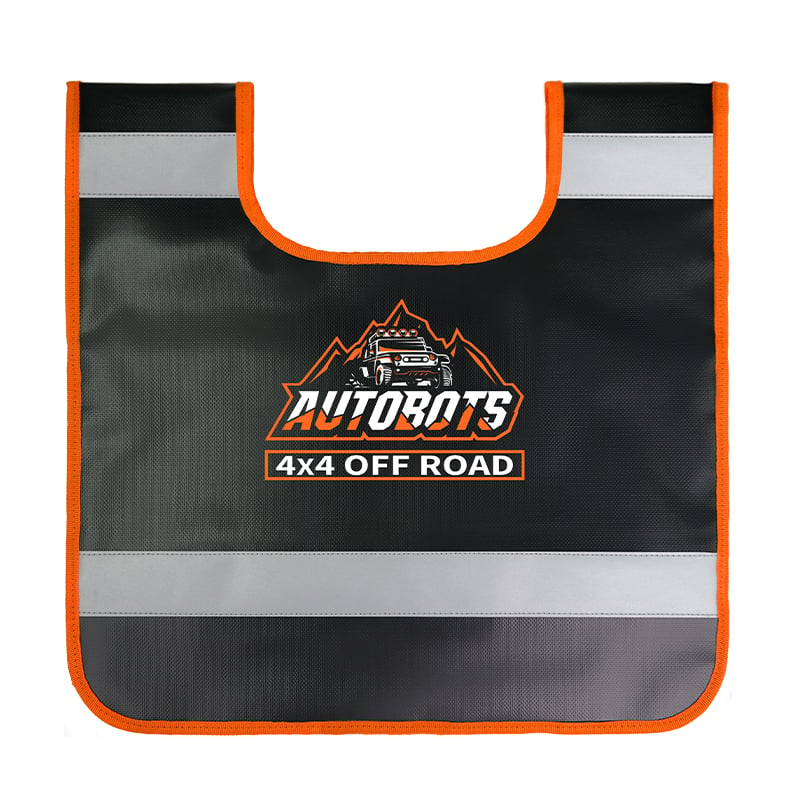

Desert recovery is not mud recovery with more dust. For fleets running 4x4s across the Empty Quarter, Australian outback stations, or Saudi oil-field routes, the governing physics are flotation, thermal limits, and abrasive wear. This guide covers sand mechanics, heat and UV failure modes, and the gear selection logic behind the recovery gear that Middle East 4x4 recovery crews carry.
Sand fails in shear when tire contact pressure exceeds bearing capacity. Mud rewards lug bite; sand punishes it. The winning play is a wide, lightly loaded patch plus steady momentum, riding the compacted layer instead of trenching.
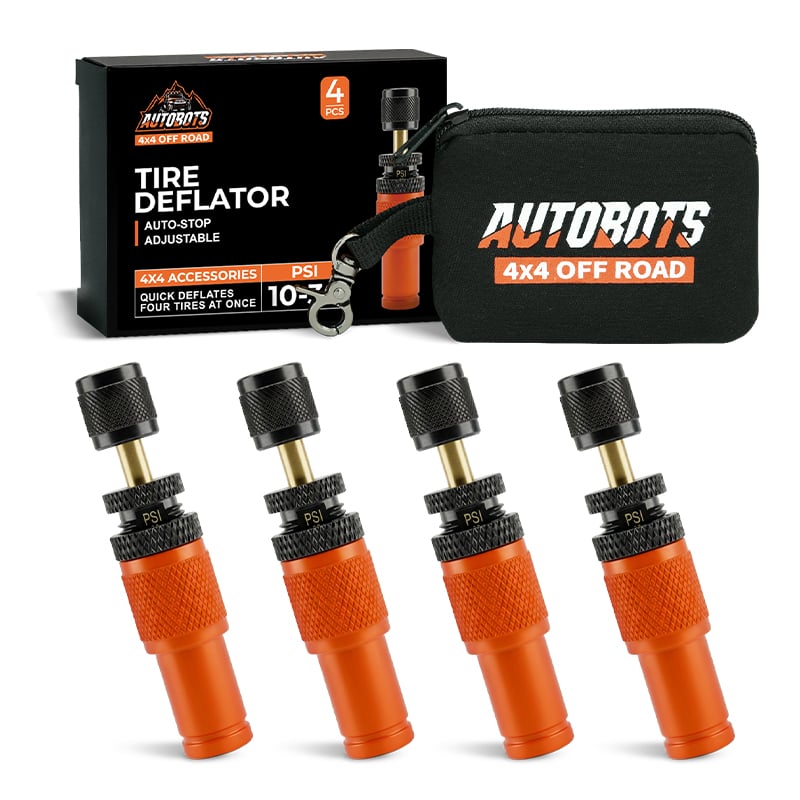
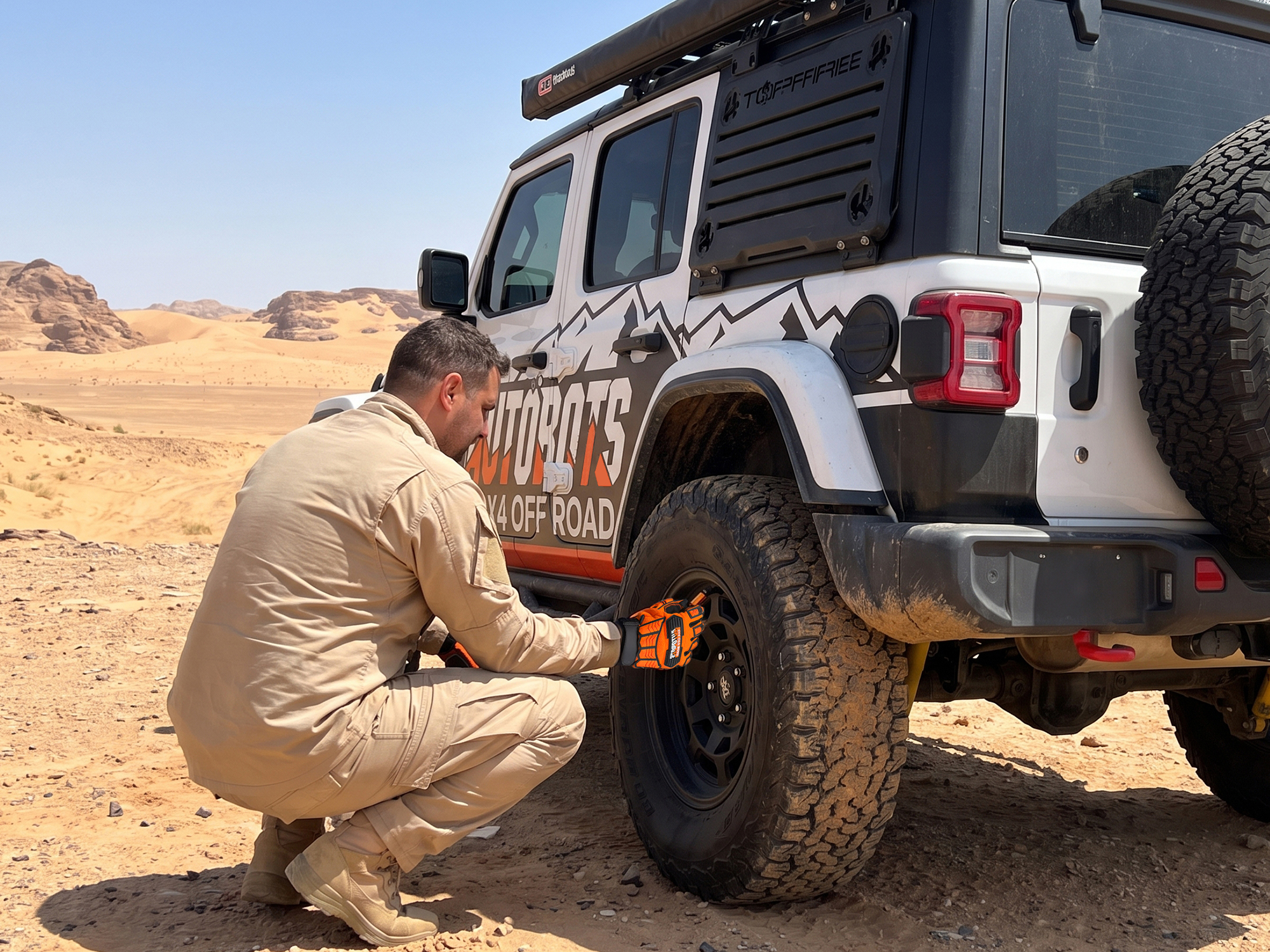
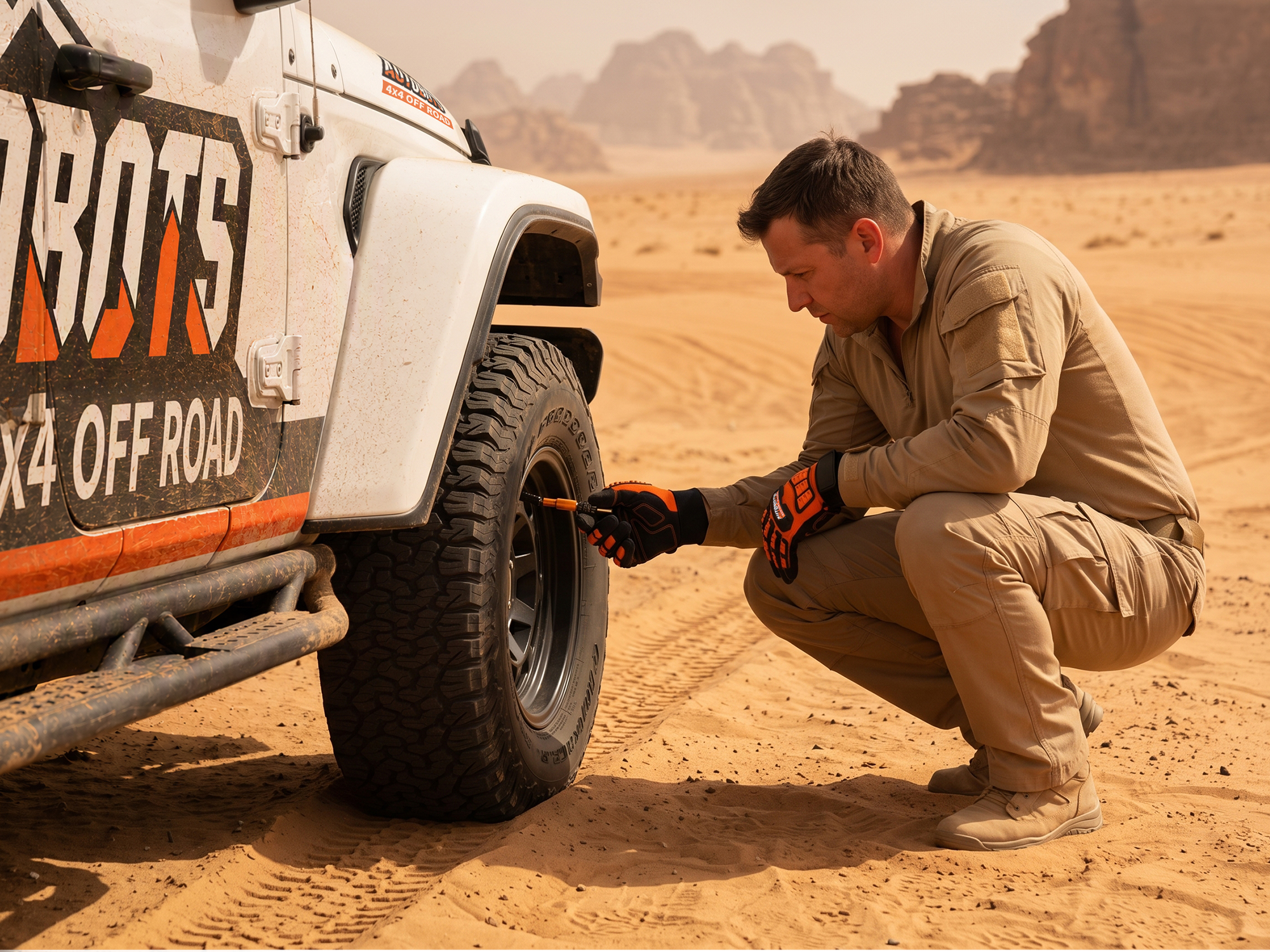
Contact patch area is load divided by inflation pressure: dropping a 285/75R16 from 35 PSI to 12–15 PSI more than doubles the footprint. That is why a pre-set tire deflator sand pressure setting of 13 PSI is the fleet-wide default in every desert recovery kit.
Dune crossings are won with momentum and lost to wheel spin. Approach the crest in 2nd–3rd gear at 15–18 mph, keep wheel speed constant, lift off as the nose clears. Spinning tires fluidize the sand beneath the patch.
Mud boards carry aggressive scoops because mud is excavated; sand is different. In sand those teeth dig — and at 50°C+ ambient they suffer tooth melt, where polymer fins soften and smear. Sand recovery boards need low-profile angled fins that flex, bite the compacted layer, and shed dust.
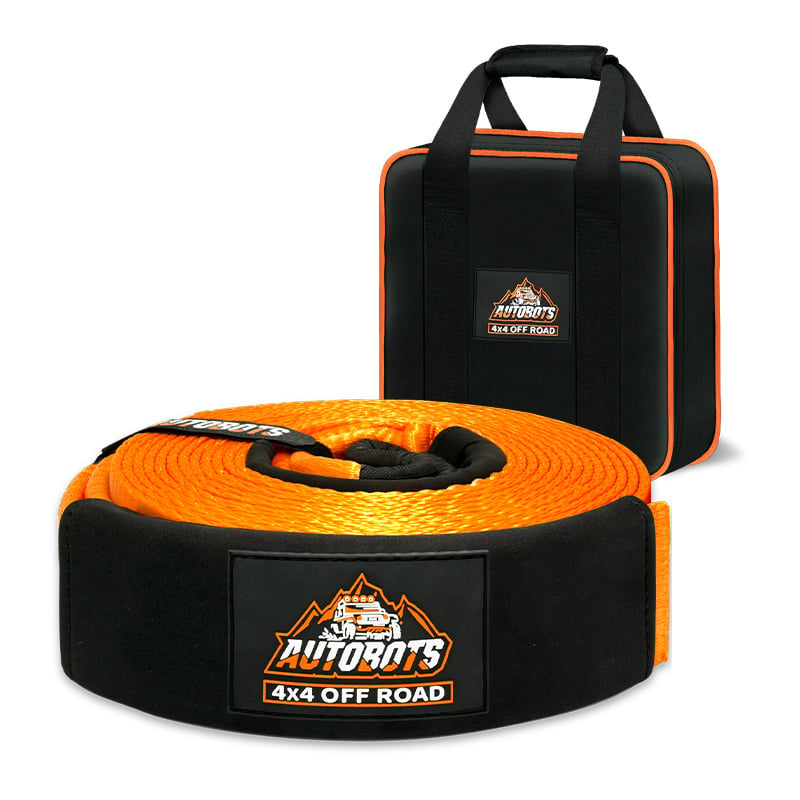
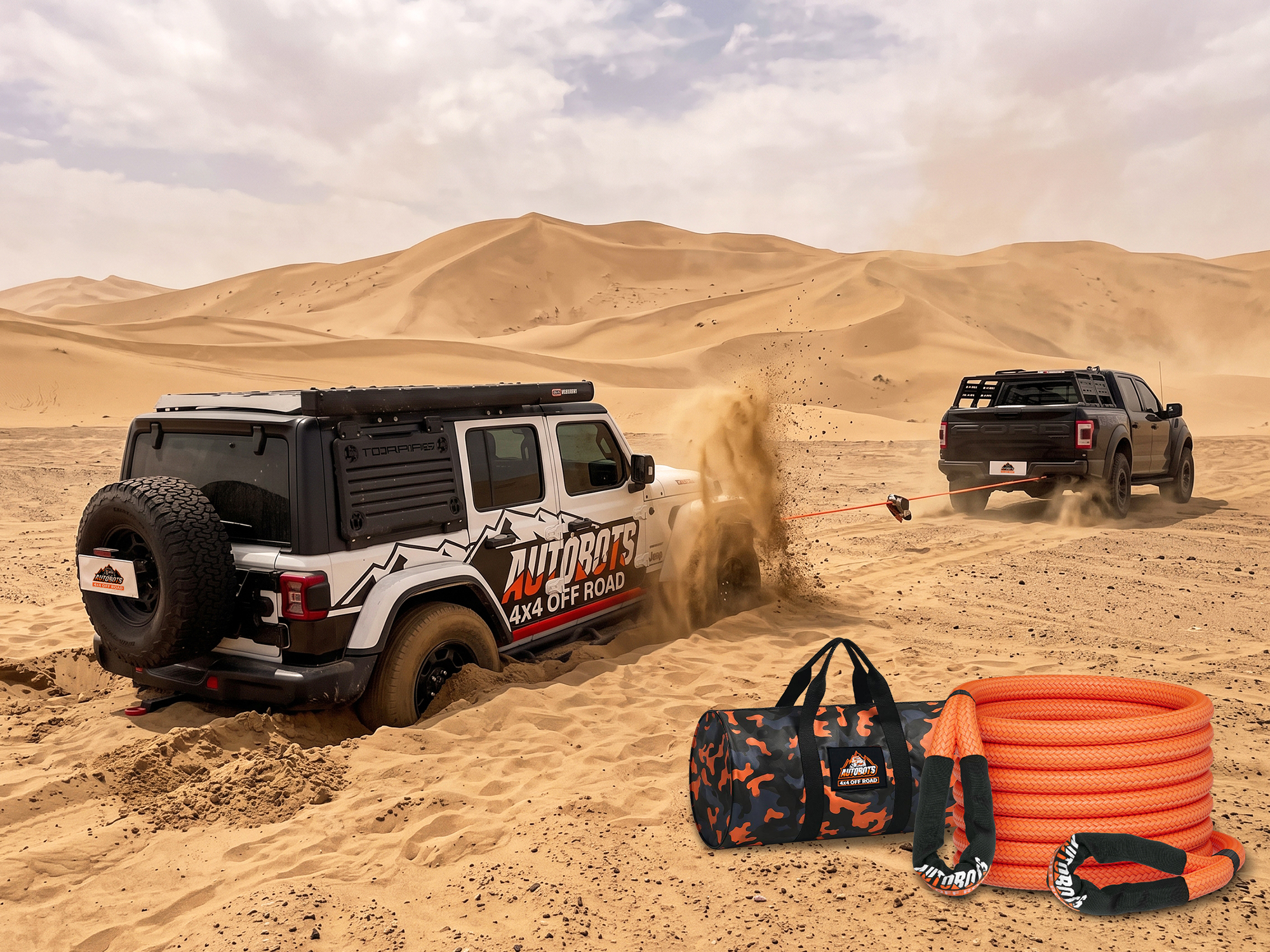
Sand extraction is a series of short, high-stretch pulls. A kinetic rope's 20–30% elongation converts vehicle motion into a smooth snap that lifts the rig out; a static line in sand rips recovery points instead. The 3/4-inch nylon kinetic rope is the standard — specs on the product page.
No trees in a dune field. A deadman anchor — buried spare wheel or plate, 3–4 ft deep, perpendicular to the pull, strap exiting at 45° — holds several tons in compacted sand. Capacity scales with burial depth and bearing area, not strap thickness — the most underrated skill in sand country.
Heat and UV are the twin assassins of desert gear.
Nylon kinetic rope is rated at 20°C. In a Gulf summer — 50°C+ ambient, with sand-surface radiant heat past 70°C — thermal aging accelerates and full-sun UV embrittles cover and core, cutting service life from years to one hard season on the deck. Rotate stock, inspect monthly, retire stiff or burnt-smelling ropes.
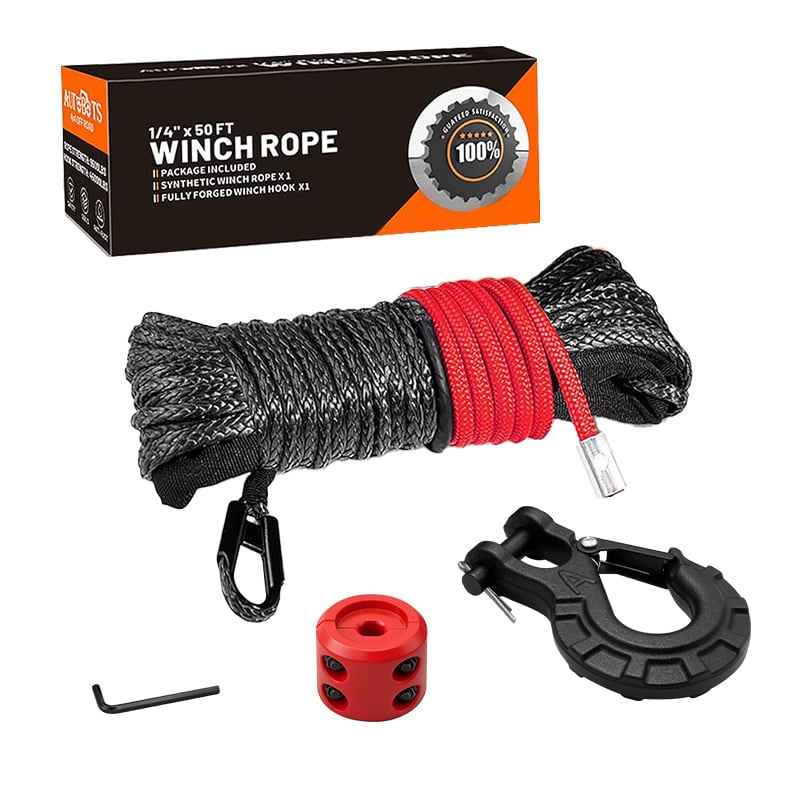
UHMWPE winch line resists abrasion better than nylon and stays dimensionally stable in heat — why desert winching rigs prefer it on the drum. Its weakness is friction heat: never run it across a hot pulley or rock edge; pair with aluminum pulleys.
A parked 4x4's interior passes 70°C by midday. Polyurethane sheaths, rubber deflator valves, and composite boards creep and distort in that regime. Store ropes and deflators in insulated bags — temperature-aware storage is a maintenance line for any desert recovery operator.
Sand is lapping compound for anything that slides: winch line, pulleys, shackle pins, hook latches. After any desert recovery extraction, dust seizes swivels overnight. Cleaning is mandatory: compressed air through pulleys and hooks, fresh-water rinse, re-lubricated pins. Deflator valves clog, and a cheap compressor that cannot sustain flow overheats in 20 minutes of Gulf duty — the air tools range is built for that reality.
Single-Vehicle vs Convoy
A single vehicle self-recovers with boards, deflator, kinetic rope, and deadman kit — geometry over brute force. A convoy runs a pull plan: vehicle one snatches, vehicle two anchors or winches, vehicle three stages water and shade. Assign roles before the incident — the backbone of any desert recovery SOP.
Heat and Water Management
Winch duty cycles matter at 50°C. Continuous full-load pulls cook winch motors; run 2–3 minute pulls with 5-minute cooldowns, staging 20 L of water per vehicle. Even the best gear fails when heat-soaked.
Tool Selection Matrix: Sand vs Mud vs Rock
| Terrain | Dominant Mechanics | Preferred Tools | Key Technique | Primary Risk |
| Deep sand | Flotation and momentum | Boards, kinetic rope, deflator, deadman anchor | 12–15 PSI deflate; crest with momentum | Tooth melt, UV-aged rope |
| Mud | Cohesion and suction | Mud boards, kinetic rope, winch anchor | Escalating short pulls | Suction loads 2–3x weight |
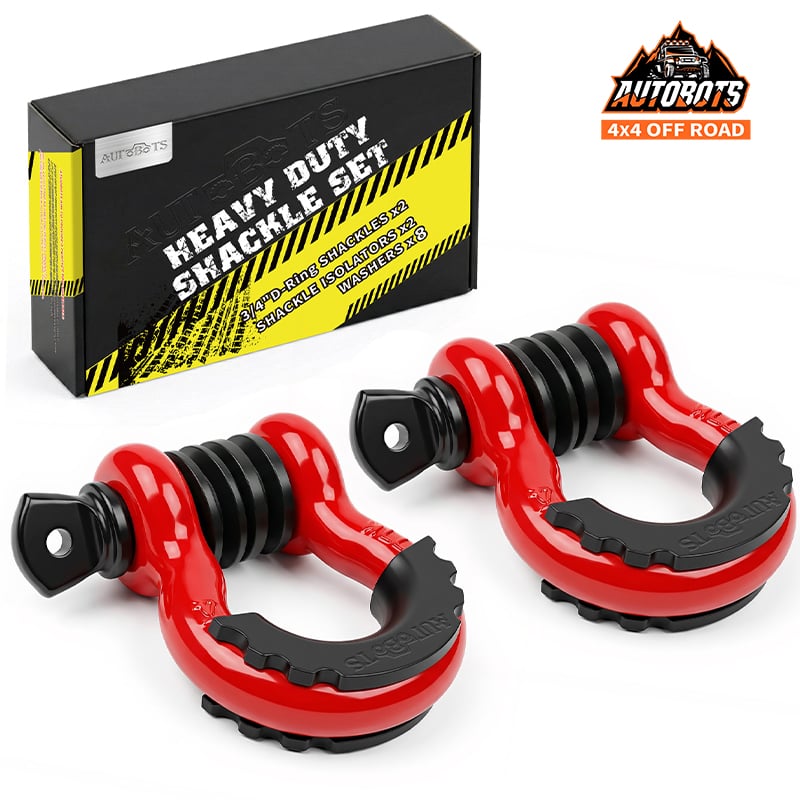
| Rock shelf | Friction and grip | UHMWPE line, snatch blocks, soft shackles | Rigid redirection, creep pulls | Rope abrasion, shock overload |
Pro Tip: Pre-deflate before you enter the dunes, not after you are stuck. Set a deflator to 13 PSI as the convoy default, and treat any kinetic rope that has spent a Gulf summer on the deck as suspect — stiff cover or burnt-nylon smell means cut and replace.
 Hot News
2026-05-29
2026-05-22
2026-05-14
2026-01-29
2026-01-23
2026-01-10
Be the first to get our latest styles and offers.
Building7, Rubber Valley Tower, Qingdao, Shandong, China
Copyright © Qingdao Huilisheng Rigging Hardware Product Co., Ltd. All Rights Reserved - Privacy Policy
 EN
EN