
7 checks you can only run on the production floor
Two quotes for the same 30,000 lb kinetic recovery rope, or the same 2-inch hitch ball, can sit 20 percent apart. The lower one usually arrives with the same product photos and the same claim of being a manufacturer. A P&A reseller buying off-road recovery gear or trailer hardware is ordering three things at once: a price, a delivery date, and a load rating that someone answers for when a rope terminal fails mid-recovery or a coupler separates at highway speed. A trading company carries the first two and rents the third.

Cost, lead time, and liability move together. Three costs travel with every order placed through a middleman:
Landed cost. A trader stacks margin on a factory price you never see, and the markup grows on custom work.
Lead time. Your ship date is the factory's ship date plus the trader's buffer, with no visibility into where the order sits.
Liability. Warranty claims on a rated component run through a party that holds no control over heat treatment, weave density, or proof load testing.
A batch of snatch straps arriving with the wrong elongation, or a forged clevis hook missing its working load limit, lands on the reseller as a warranty claim, return freight, and reputational damage in front of fleet buyers. A verified factory supplier controls heat treatment, weave density, coating thickness, and final proof load testing. Every variable in the load path stays inside one building, answerable by one engineering contact.
1. Equipment you can name
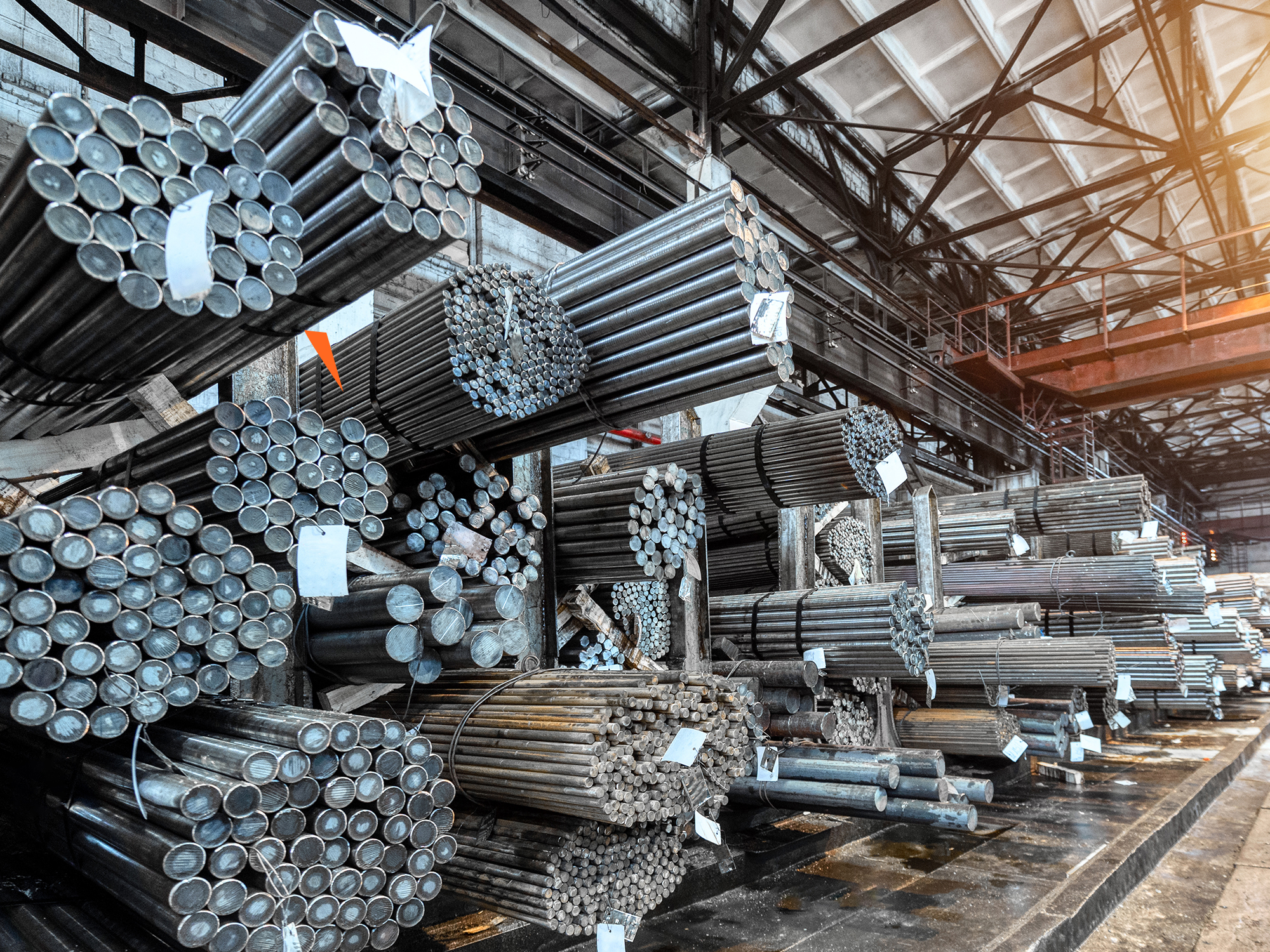
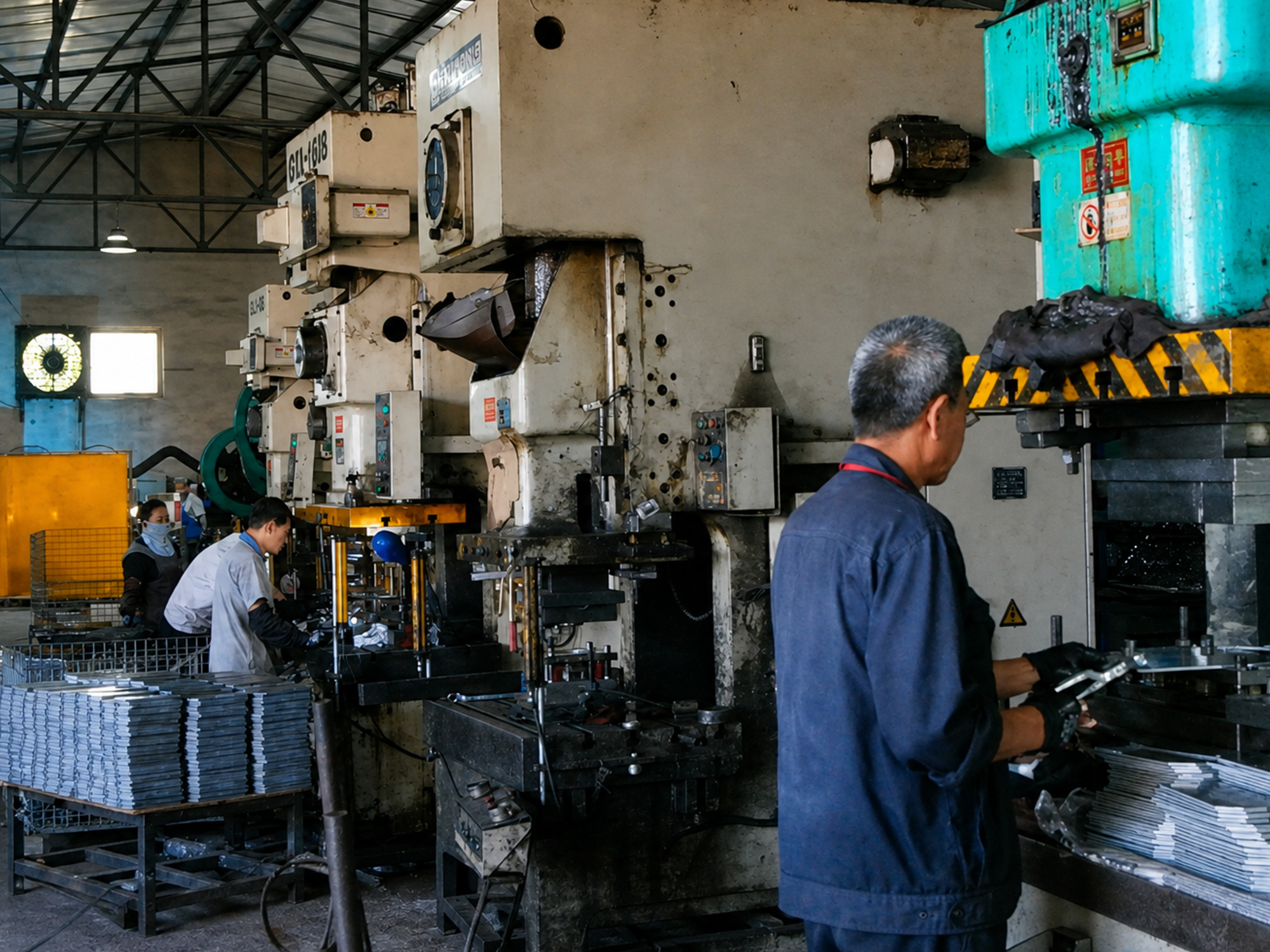
Ask for machine models and counts tied to your product: a 12-strand braiding line for kinetic recovery ropes, an induction hardening cell for forged hooks, a salt spray cabinet for coatings. Showrooms answer with photographs of finished goods. Production floors answer with equipment lists, capacity figures, and maintenance schedules.
2. Raw material inbound and batch records
Every rated product traces to a mill certificate. UHMWPE winch line traces to fiber denier and twist count. Forged tow hooks trace to steel grade. Safety chains trace to chain grade and link dimensions. Request inbound records for the last three batches, then confirm that the batch code stamped on finished goods matches those records. A supplier that cannot produce them is buying finished goods from someone who can.
3. In-house testing capability
Working load limit, proof load, and breaking strength are three different numbers, and a real manufacturer tests all three in-house. Ask to see the tensile machine, the test fixtures, and the sampling rate: proof load applied to every batch, periodic destructive pulls confirming the 4:1 safety factor still holds after a material or process change. Ask where the throat opening and bend radius limits are recorded for each hook and shackle SKU. Ask how a failed pull gets dispositioned: material change, re-test, batch hold, or a quietly relaxed acceptance threshold. A trading company forwards a certificate issued to somebody else.
4. The answer to "show me your line"
Make the request live, on a video call, with no warning. A factory walks to the braiding line or the welding cell within minutes and films the run in progress. A trading company offers a brochure, a scheduling delay, or footage belonging to a third party.
5. MOQ, lead time, and tooling ownership
Tooling ownership decides whether you can move suppliers later. Ask who holds the forging dies, the extrusion tooling, or the braiding program, and what happens to them when the relationship ends. Factories quote tooling cost, amortization, and retention terms. Trading companies quote a round MOQ with no explanation of where the number came from.
6. Certifications that match the SKU
A proof load report covering a recovery strap says nothing about the hitch ball, coupler, or safety chain in the same shipment. Ask which certificate applies to which SKU, which test standard it references, and which laboratory issued it. Certificates covering the exact item in your carton are the only ones worth filing for a warranty claim.
7. Staff structure behind technical questions
Count the people who answer engineering questions. Factories route them to a process engineer, a QC lead, and a production planner. Trading companies route everything through one salesperson, and the answers arrive slower with less specificity each round.
These seven checks compress into fifteen questions you can send to any supplier today. Score the answers on documentation, not on confidence: photographs, machine lists, and batch records count, polished replies without attachments do not. Compare the suppliers who reply with documentation against the ones who reply with promises, and shortlist only the ones who pass checks two, three, and five.
Send the completed checklist to our engineering team from the factory page and you receive a marked-up copy of our own answers, including batch records and current test reports. Dealers comparing a verified factory supplier against their present source usually find the gap in check three and check five.
 Hot News
2026-05-29
2026-05-22
2026-05-14
2026-01-29
2026-01-23
2026-01-10
Be the first to get our latest styles and offers.
Building7, Rubber Valley Tower, Qingdao, Shandong, China
Copyright © Qingdao Huilisheng Rigging Hardware Product Co., Ltd. All Rights Reserved - Privacy Policy
 EN
EN