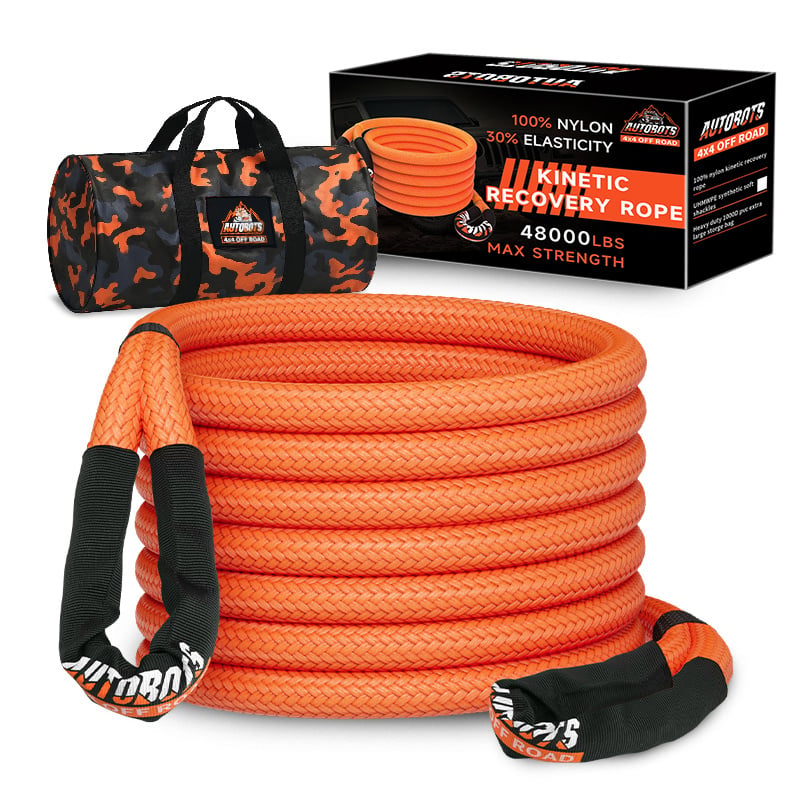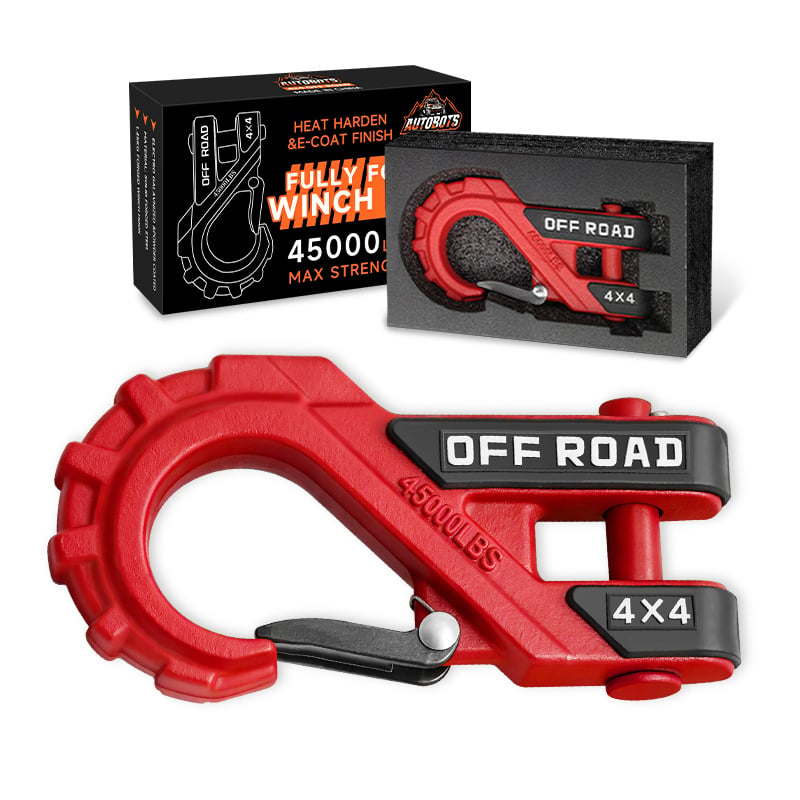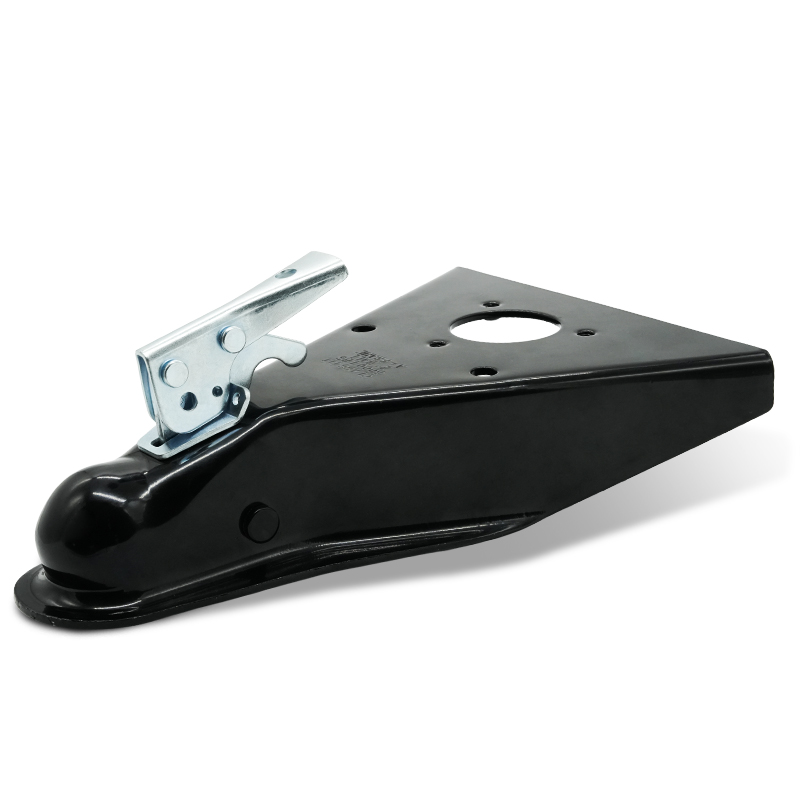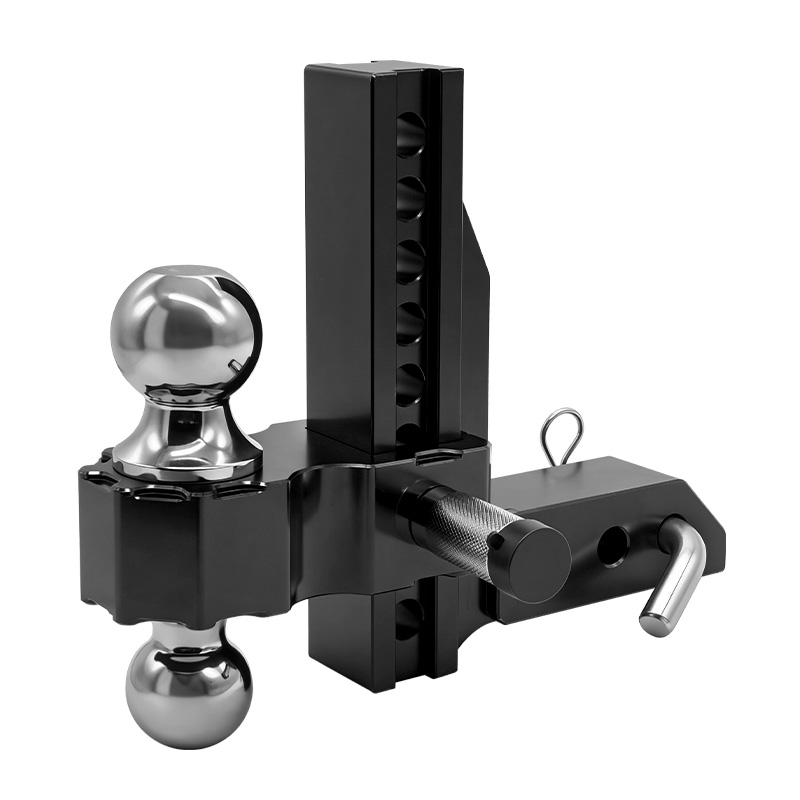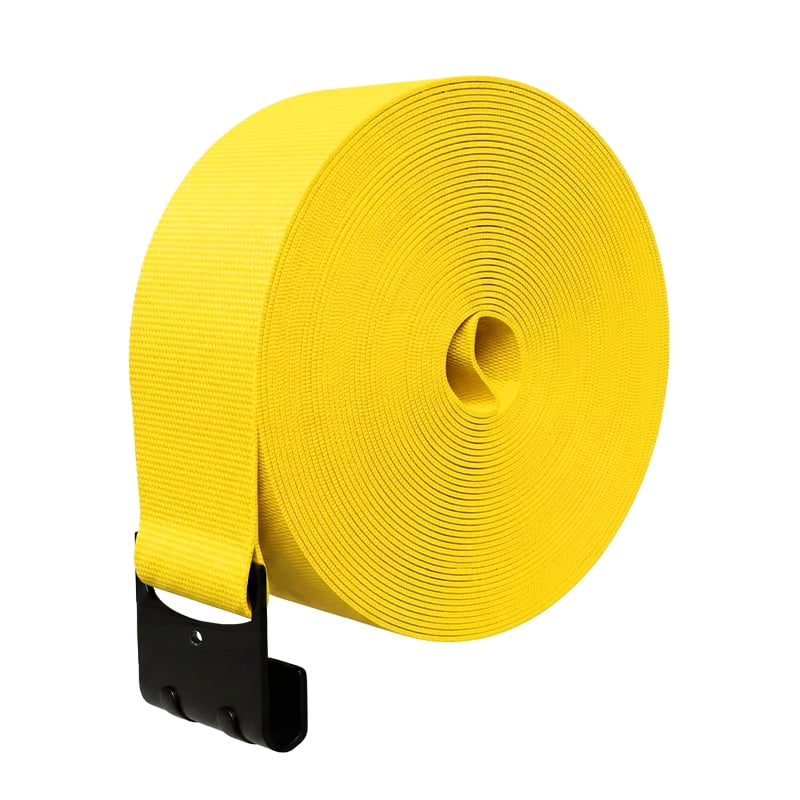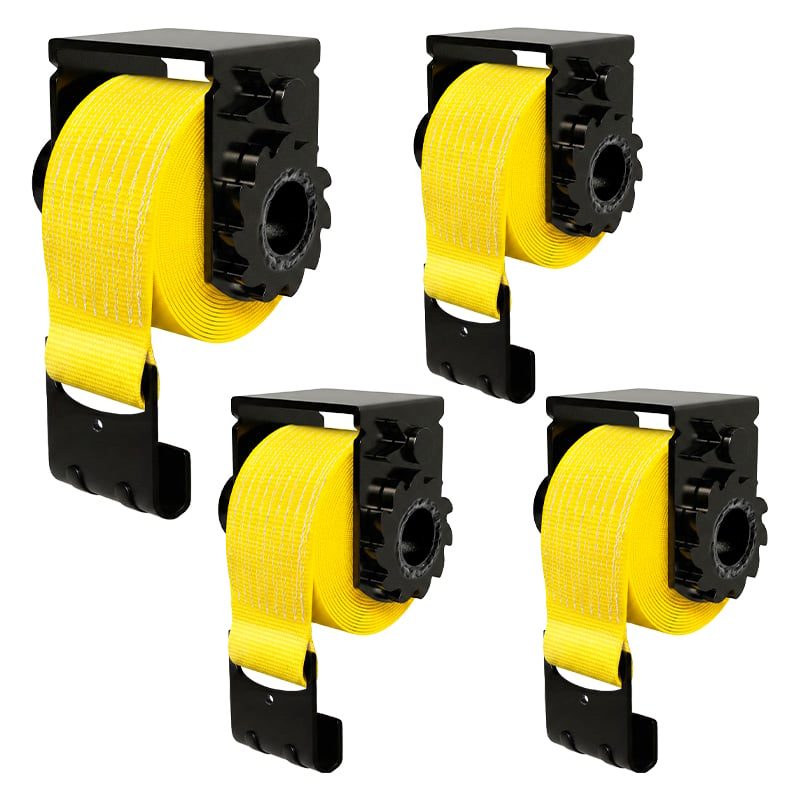

Trailer parts and recovery gear can have the same 10,000 lb rating yet still not be equal. One is a single piece of drop-forged carbon steel. The other is cast, or welded together from multiple components. The numbers on the label look identical; out in the field, they perform very differently. This guide explains forged vs. cast steel in plain terms, highlights where this difference matters for trailer parts, towing accessories and off-road recovery gear, and lists what buyers should verify.
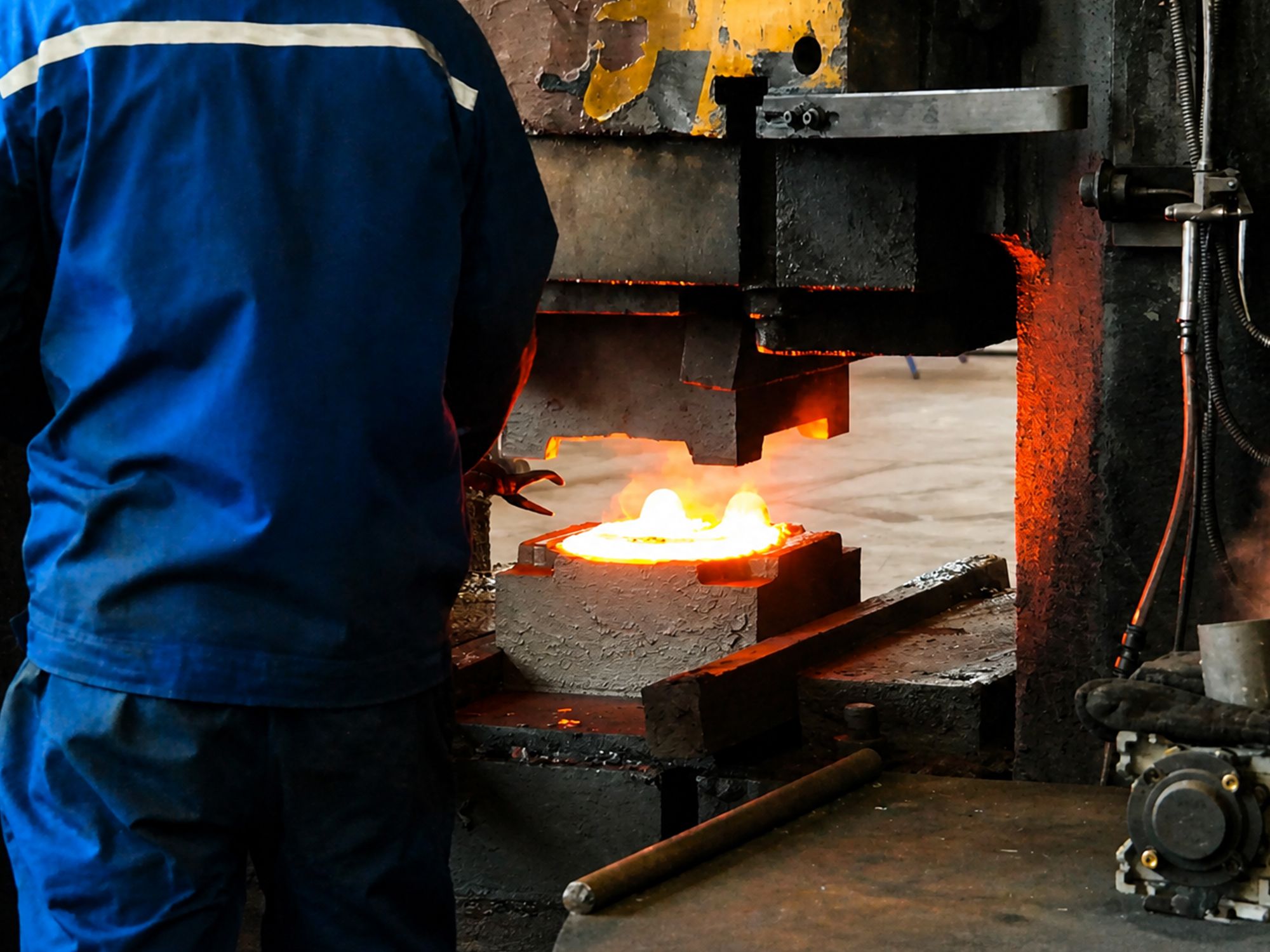
Drop forging starts with a heated carbon steel billet. A die and a press hammer that solid billet into its finished shape, so the metal is squeezed rather than poured. Three useful things follow.
Grain flow follows the load. Forging stretches the grain of the steel and bends it along the contour of the part, so the strongest direction in the metal runs with the direction of the load instead of at random angles to it.
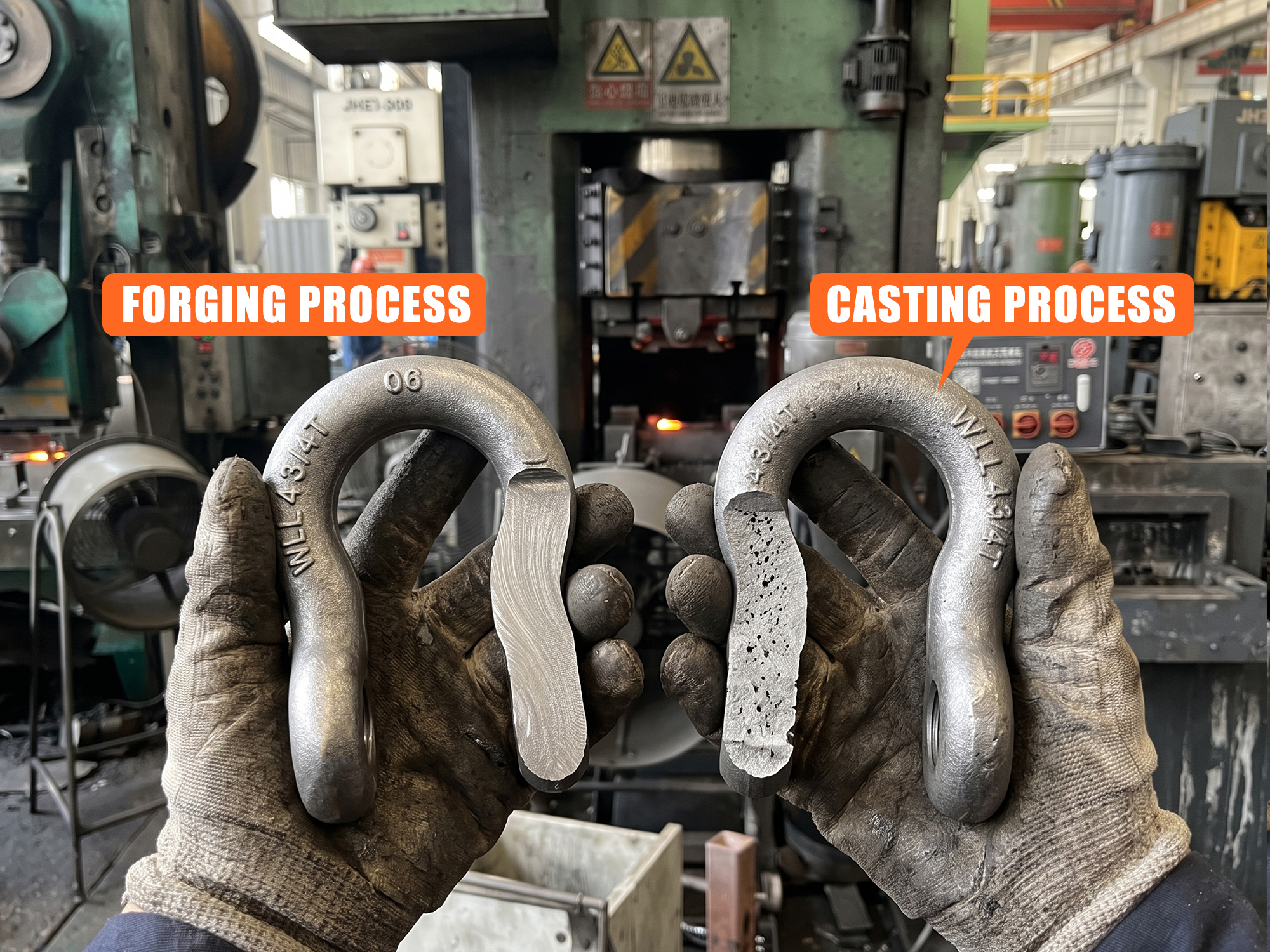
The body comes out as one piece. No weld seams, no assembly joints — nothing at the stress point of a hitch or shackle that can become a crack starter.
Pressure closes internal voids. Trapped gas pockets and shrinkage cavities do not survive the process, so density stays consistent through the section. This is exactly what heavy-duty trailer parts and recovery gear require.
| Feature | Drop Forged Carbon Steel | Cast Steel |
| Forming method | Solid billet pressed into shape under a die | Molten metal poured into a mold and cooled |
| Grain structure | Continuous grain flow follows the part contour | Random grain, no directional strength |
| Internal defects | Dense, closed structure | Possible porosity, shrinkage and inclusions |
| Shock load behavior | Flexes and absorbs impact | Brittle; may crack on sudden shock |
| Fatigue life under cycling | High, resists repeated stress cycles | Lower, cracks start at internal voids |
| Weight for the same rating | Usually lighter | Usually heavier |
| Failure mode | Deforms slowly, gives warning | Sudden fracture |
| Weld joints in the assembly | None in a one-piece body | Common in welded assemblies |
For a rigging hardware or towing buyer, that table means three things: fewer warranty claims, hardware that survives salt and mud without cracking, and a rating you can defend to a fleet customer.
Towing Hardware
There is no second chance on a hitch. A forged pintle hook is built as a one-piece drop forged carbon steel body with a spring-loaded lock arm, finished in black powder coat that seals the forging against road salt and jobsite grime. The numbers belong on the part: 30,000 lb MGTW and a 6,000 lb vertical load, sized for 2–3 inch lunette rings and bolted down with four 1/2 inch Grade 8 bolts. Switch to casting and the same drawing loses its margin against shock loading.
Recovery Points and D-Rings
When a stuck truck is snatched out of mud, the load arrives as a shock wave through the shackle, the receiver and the frame, not as a smooth pull. A forged D ring shackle receiver hitch rated to 45,000 lb, cut from a single billet and matched with a forged shackle, handles that shock by flexing and returning to shape. A brittle cast fitting fractures instead, often without warning.
Load Leveling and Suspension Hardware
Weight distribution hitches work twice: they move tongue weight forward, and they absorb the road shock created by cycling loads. A forged steel weight distribution hitch with forged spring bars resists the fatigue that eventually cracks lower grade steel — the difference between hardware that stays in service for a decade and hardware that comes back as a claim.
Pro Tip — a six-point verification checklist. Look for the flash line: a thin parting mark where the two die halves met is normal on a forging, and one of the clearest signs of pressed metal rather than a casting. Look at the surface: consistent texture without blow holes or cavities. Check the rating on the part itself, stamped or on a decal. Ask for the material callout in writing: "drop forged carbon steel", not "steel" and not "cast steel". Request the compliance file set: SAE J684 for towing systems, CE and ISO 9001 for export documentation, plus a batch tensile test report. Then check the finish — black powder coat holds up in salt spray far better than a thin zinc wash.
When you are loading a container instead of buying one hook, the process becomes a supply chain question. A supplier who owns the forging, machining and finishing steps controls hardness, weight and surface quality; someone assembling castings does not. Before ordering, ask for drawings and compliance paperwork, request a 3D printed model before tooling is cut, and confirm that capacity decals and private label engraving are available, so the part on the shelf matches the listing you publish.
Ready to spec forged hardware? Tell us your target rating, mounting pattern and finish, and we will quote drop forged carbon steel trailer parts and recovery gear to your drawing — or request the 2026 catalog to get ratings, drawings and compliance files in one pack.
 Hot News
2026-05-29
2026-05-22
2026-05-14
2026-01-29
2026-01-23
2026-01-10
Be the first to get our latest styles and offers.
Building7, Rubber Valley Tower, Qingdao, Shandong, China
Copyright © Qingdao Huilisheng Rigging Hardware Product Co., Ltd. All Rights Reserved - Privacy Policy
 EN
EN