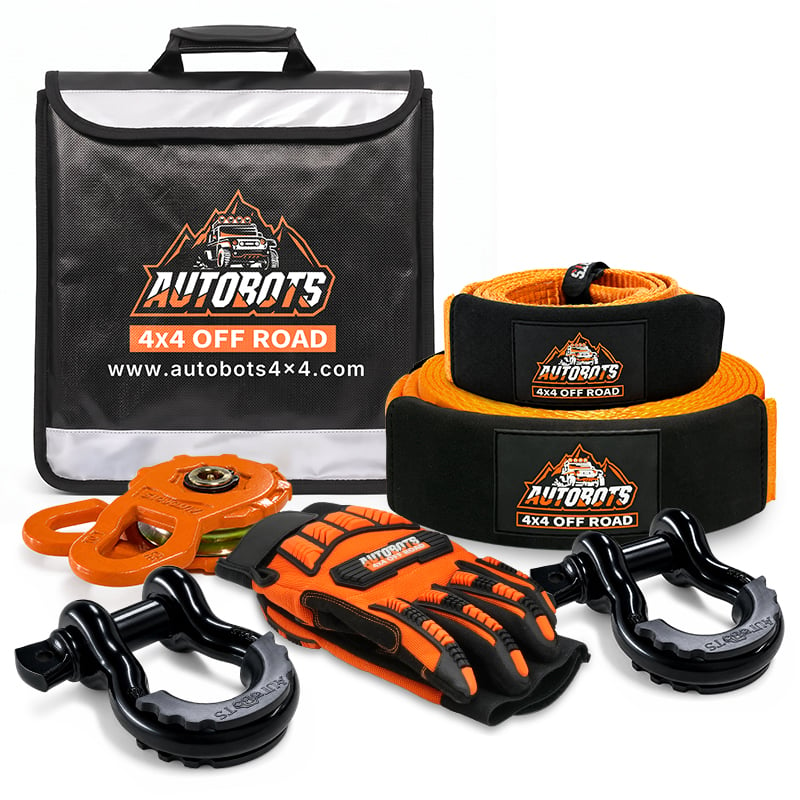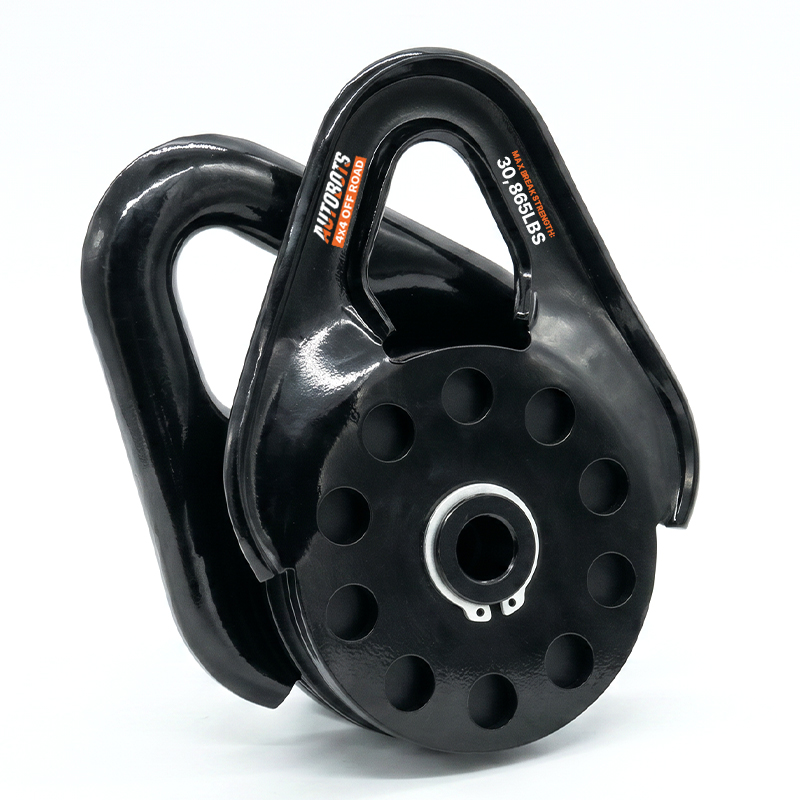

Buyers of offroad recovery gear and trailer parts know the pattern. Four components, four factories, four sets of cartons, four lead times, four shipping documents. One weak carton buried in the middle of a container. One damage claim that eats the margin on the entire order. One peak season where your best-selling winch hook sits out of stock for three weeks.
AUTOBOTS runs custom development, manufacturing, quality inspection, packaging, stock holding, and international freight inside one operation. Offroad recovery equipment and trailer accessories leave our facility in a single commercial flow, with one point of contact and one document set.
This is what that structure looks like from the buyer's side of the table.
The Hidden Cost of Sourcing from Scattered Suppliers
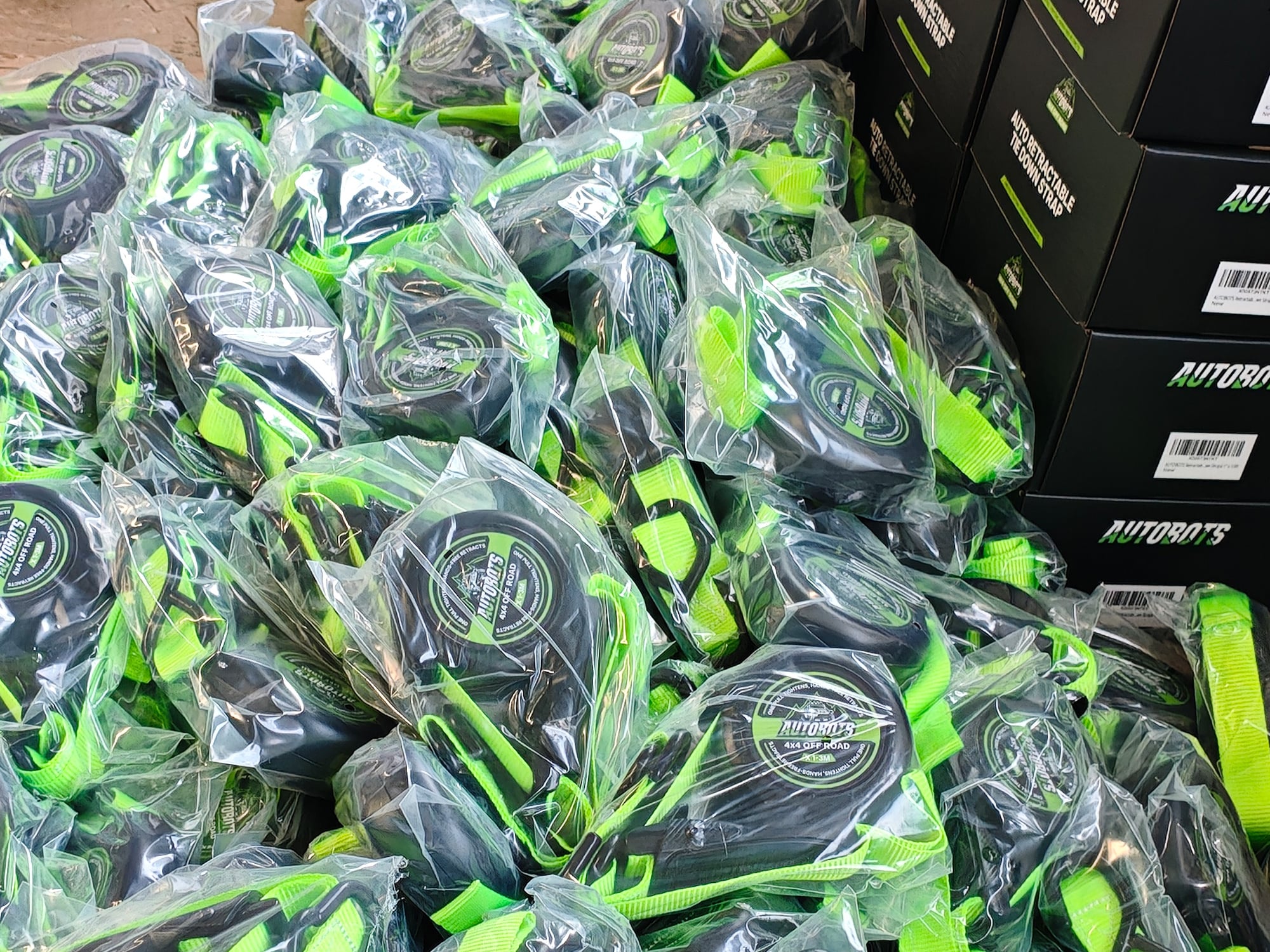
Start with the vendor list most importers keep. Winch hooks from one factory. Tow straps from a second. Shackles and D-rings from a third. Trailer couplers, ball mounts, and safety chains from a fourth.
Unit prices look sharp on paper. Landed cost tells a different story. Every added supplier adds a production calendar, an inspection report, a carton specification, a loading date, and a wire transfer. Handoffs multiply delays. Cartons built to four different standards stack badly against each other. A pallet that fails in transit becomes a claim, a re-shipment, and a gap on your shelf during your strongest selling weeks.
AUTOBOTS removes the handoffs. Custom engineering, tooling, production, inspection, packaging, storage, and freight all sit on one controlled line. Nothing is re-specified at the border between
vendors.Packaging Built for Dense, Angular Steel
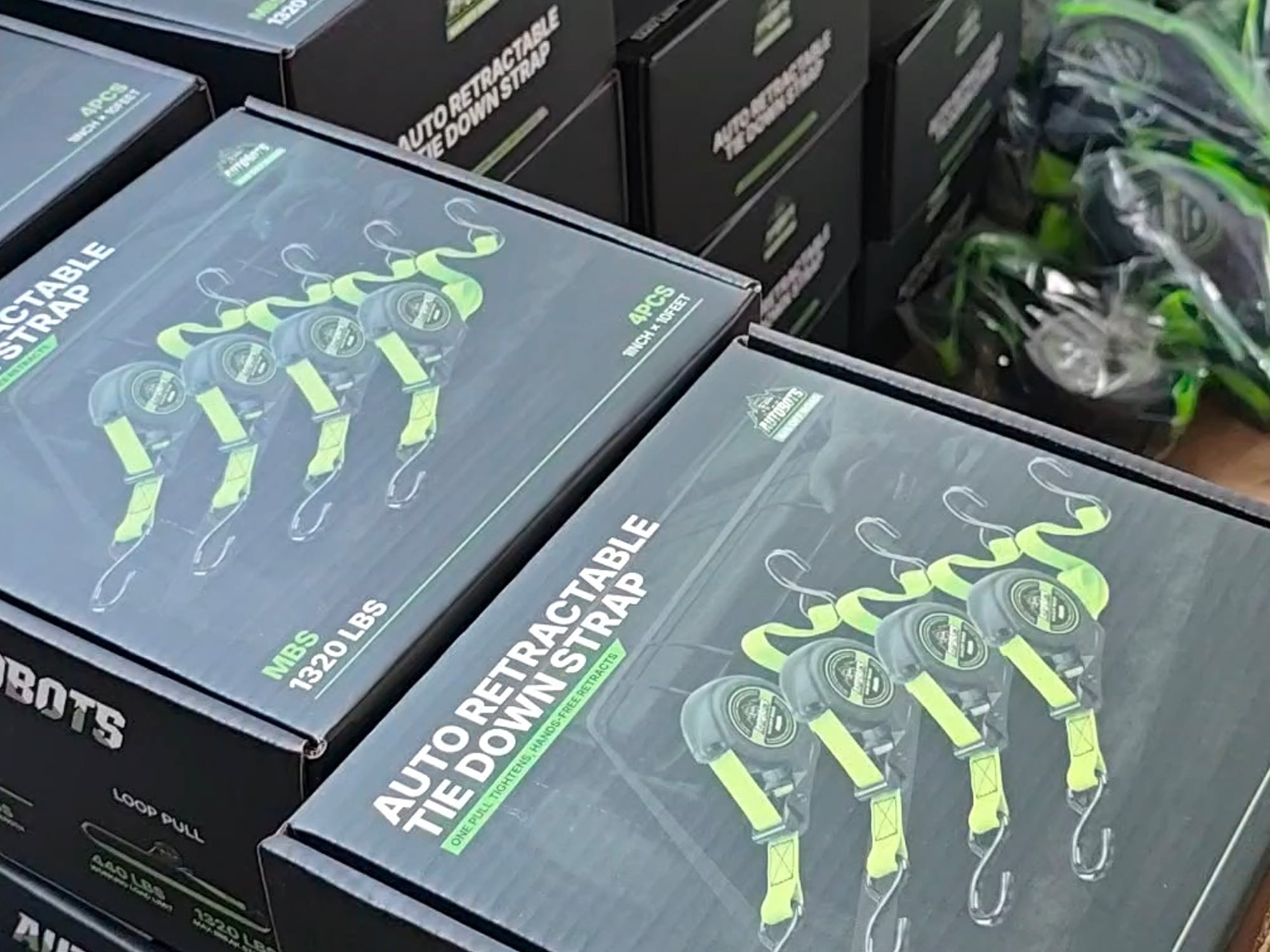
Recovery hardware is heavy, sharp-edged and unforgiving. Winch hooks, snatch blocks, D-rings, and shackles arrive with real mass behind every corner. Consumer-grade packaging fails fast under those conditions, and the failure shows up as scuffed plating, chipped powder coat, and bent brackets on your receiving dock.
Single-Unit Protection Matched to the Finish
Every unit receives a protection layer chosen for its surface treatment. Electroplated and powder-coated parts get anti-scuff wrapping and edge guards. Threads and machined faces get protective caps. Pins, clips, springs, and safety latches sit in compartmented bags, keeping a rated assembly complete and traceable to its batch.
Labels carry part number, working load limit, and batch code. Your receiving team scans and shelves without breaking the inner pack.
Carton, Stretch Wrap, and Pallet Under One Standard
Outer cartons are built to a stacking-strength specification. Lighter units run in B-flute board, heavier assemblies in double-wall board with reinforced corners. Every carton is sealed, strapped, and marked with standard export data, including carton count, gross weight, and handling symbols.
The line continues into stretch wrapping and palletizing. Cartons stack to a load-stable pattern, corner boards protect pallet edges, and moisture-resistant film wraps the load from top to bottom. Finished pallets are label-verified before they reach the loading bay.
The payoff is measurable. Fewer crushed cartons. Fewer finish rejects. Fewer claims. Pallets that travel straight from the container to your racking with no repacking step in between.
In-House Warehousing: Hundreds of Specifications on the Shelf
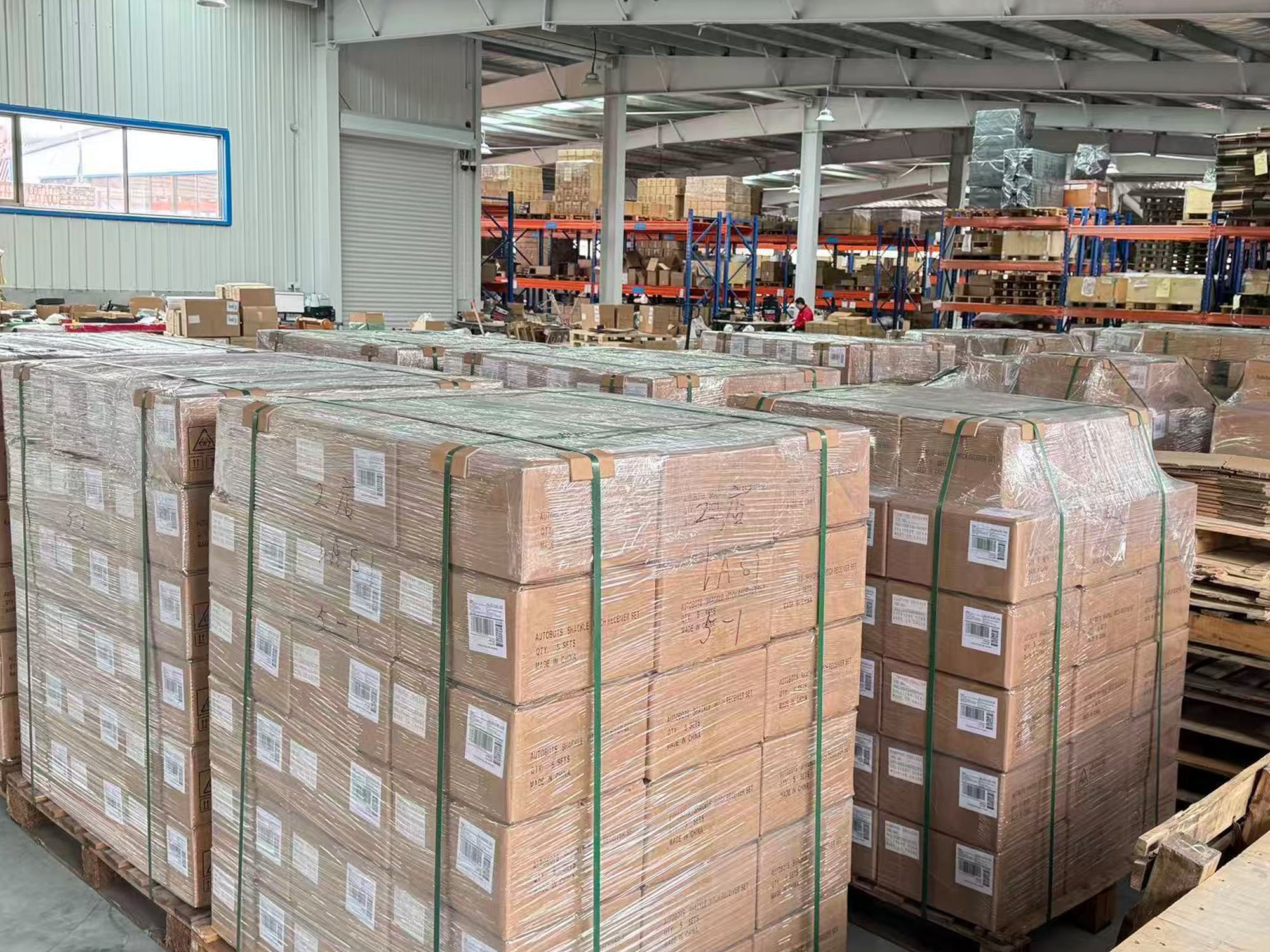
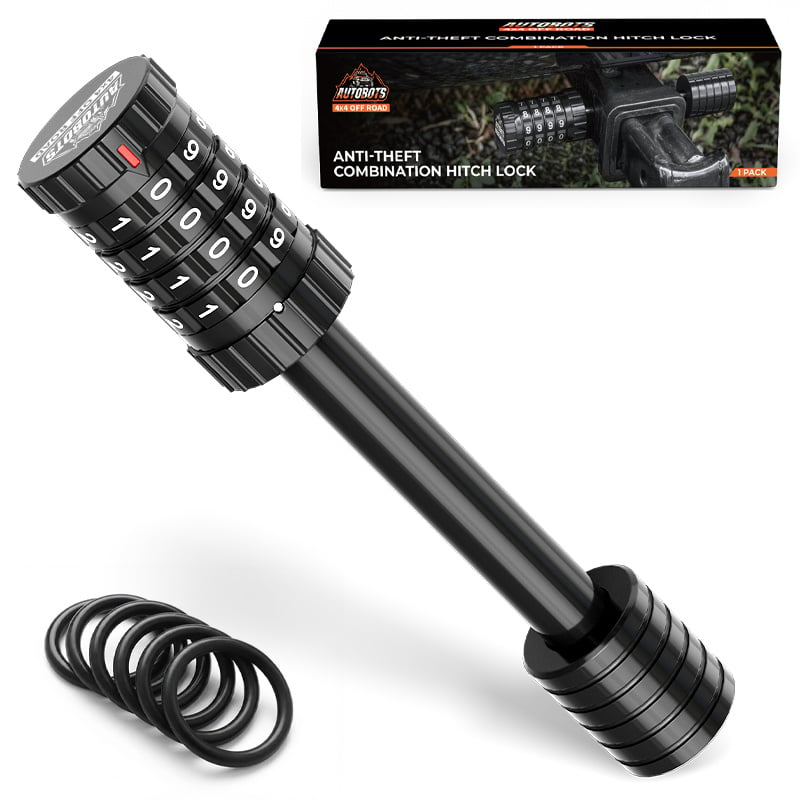
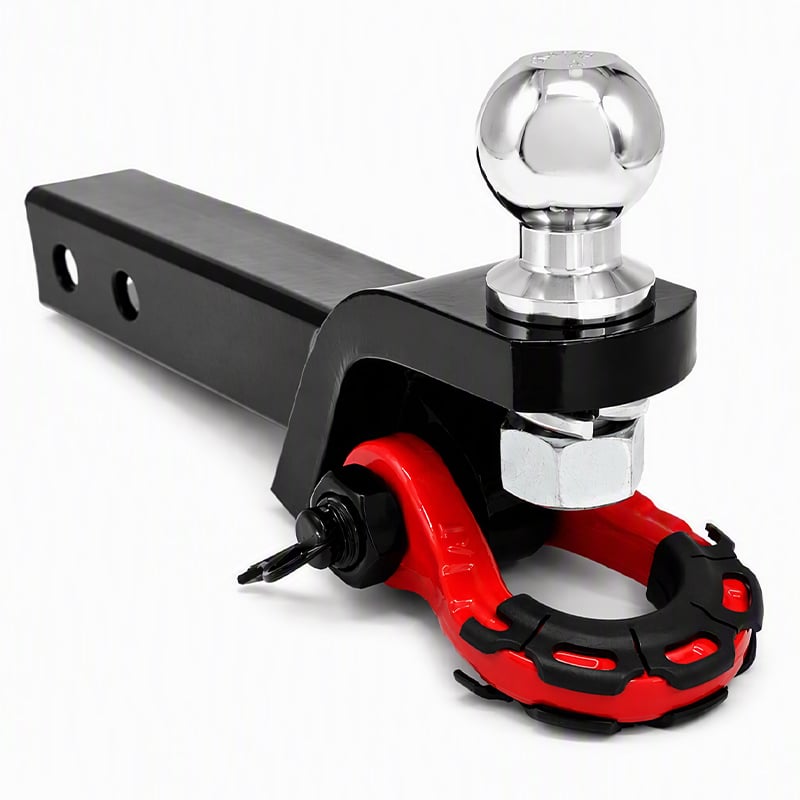
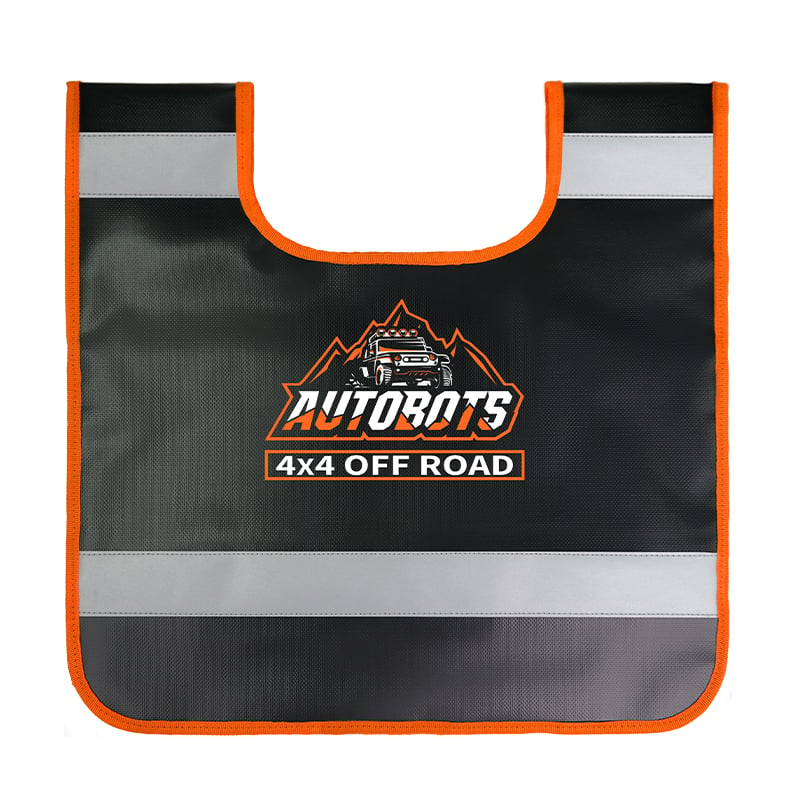
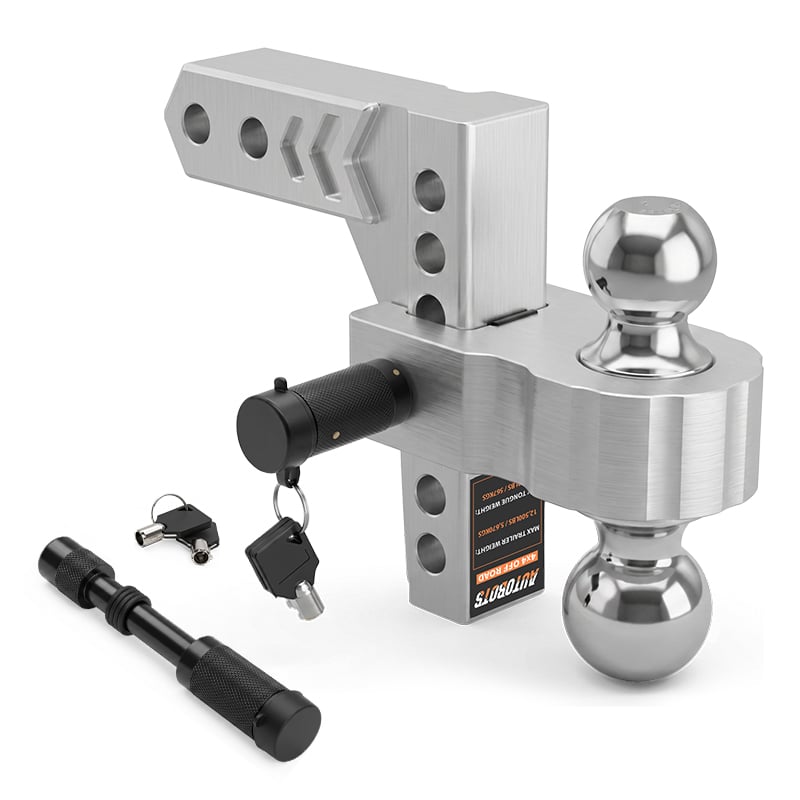
A factory that only builds against purchase orders leaves you waiting on every replenishment. AUTOBOTS holds its own warehouse with hundreds of specifications in stock: tow shackle, winch hook, shackle hitch receiver kit, recovery tow strap kit, kinetic recovery rope kit, soft shackle recovery ring kit, tree saver strap kit, adjustable trailer hitch ball mount, trailer ball mount, three ball trailer hitch, tire deflator and various stainless steel rigging etc.
Supply Stability Without Dead Stock
You set the buffer. Fast movers can be held as safety stock against a rolling forecast. Slow movers stay as make-to-order items. The mix is yours to rebalance each season, and you can shift it as your market moves.
That structure carries you through peak recovery season, when demand for winch hooks, recovery boards, and tow straps climbs across North America, Australia, Europe, and the Middle East. The stock is already in the building, already inspected, already packed. A release instruction is all it needs.
Small Batch, High Frequency Replenishment
Container-only terms lock out a large share of the market. Dealers, fleet workshops, tire shops, and rescue units frequently need part loads or mixed pallets, and they need them again next month.
AUTOBOTS supports small batch, high frequency supply. Mix SKUs in a single shipment. Split a container across two destinations. Move repeat orders on a monthly rhythm. Your capital stays in your business, not locked inside a warehouse you have to own.
Global Freight: LCL and FCL with Real Space Planning
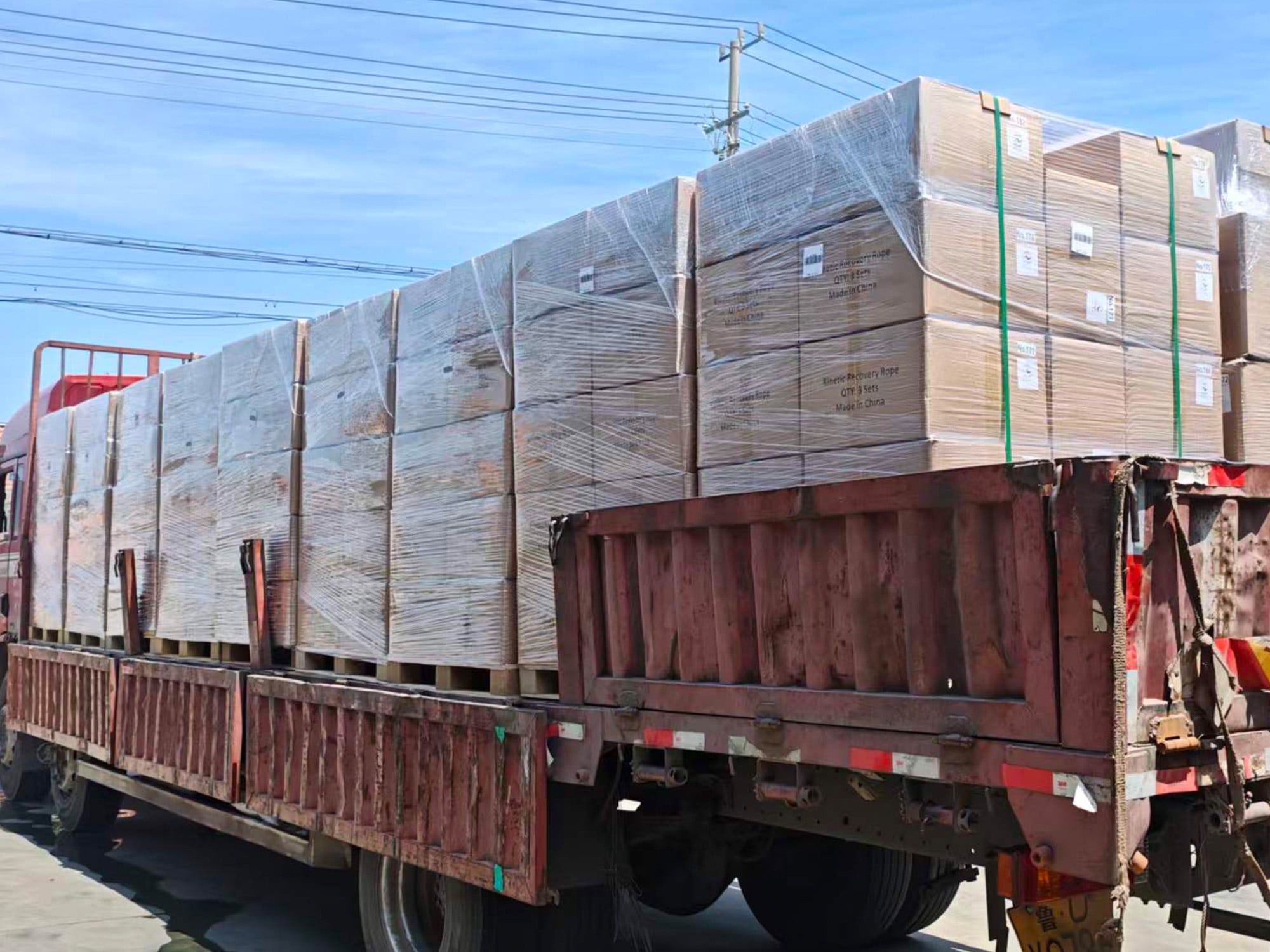
Freight is where sourcing budgets drain quietly. Sea, air, and land carriers bill on volume and chargeable weight. Two suppliers shipping the same product in the same cartons can land at very different costs per unit. The difference is loading, and loading is planned before a single carton leaves the floor.
Air, Land, and Sea Under One Roof
Air freight for launch stock, urgent replenishment, and sample runs. Rail and road for inland corridors and cross-border lanes into Europe and the Middle East. Sea freight for production runs and heavy metal.
Long-standing carrier relationships across all three modes give you rates that reflect real volume, plus booking priority when capacity tightens ahead of peak season.
Container Loading Plans That Cut Cost per Unit
Cartons are measured and modeled before booking. A mixed-SKU container is built in a plan view, with cartons nested around and above palletized loads to close dead space. Corner voids get filled with small hardware cartons. Height is used, not wasted.
LCL shipments receive the same treatment. Space planning on a groupage booking reduces billed CBM and lowers the per-unit freight line on your invoice. For a dealer running monthly replenishment, that is a straightforward margin gain on every order.
Inspection Comes Before the Carton Closes
Quality inspection sits upstream of packaging. Rated capacity verification. Dimensional checks against drawing. Finish and coating inspection. Salt spray testing on plated parts. Functional testing on springs, latches, and quick-release mechanisms. Batch records retained against your order number.
Nothing gets wrapped until it passes. Nothing gets loaded until the packing list, the inspection report, and the pallet labels agree with each other.
What a Consolidated Supply Chain Delivers
For a distributor, a fleet buyer, or a rescue organization, the arithmetic is straightforward.
•One purchase order covering every product on the list
•One inspection report, one packing list, one loading plan
•Lower freight per unit through real space planning
•Stock on hand through peak season
•Small batch releases that match your cash cycle
•One technical contact for custom specs, reorders, and claims
Build Your Sourcing Plan with AUTOBOTS
Send us your part list, target quantities, and destination port. We will come back with a product plan, a packaging specification, a stock position on standard specifications, and a freight option comparison across air, land, and sea.
Request a Quote — Get your custom packaging and freight plan within one business day.
Talk to Our Export Team — Send your specifications and receive a same-week response.
 Hot News
2026-05-29
2026-05-22
2026-05-14
2026-01-29
2026-01-23
2026-01-10
Be the first to get our latest styles and offers.
Building7, Rubber Valley Tower, Qingdao, Shandong, China
Copyright © Qingdao Huilisheng Rigging Hardware Product Co., Ltd. All Rights Reserved - Privacy Policy
 EN
EN