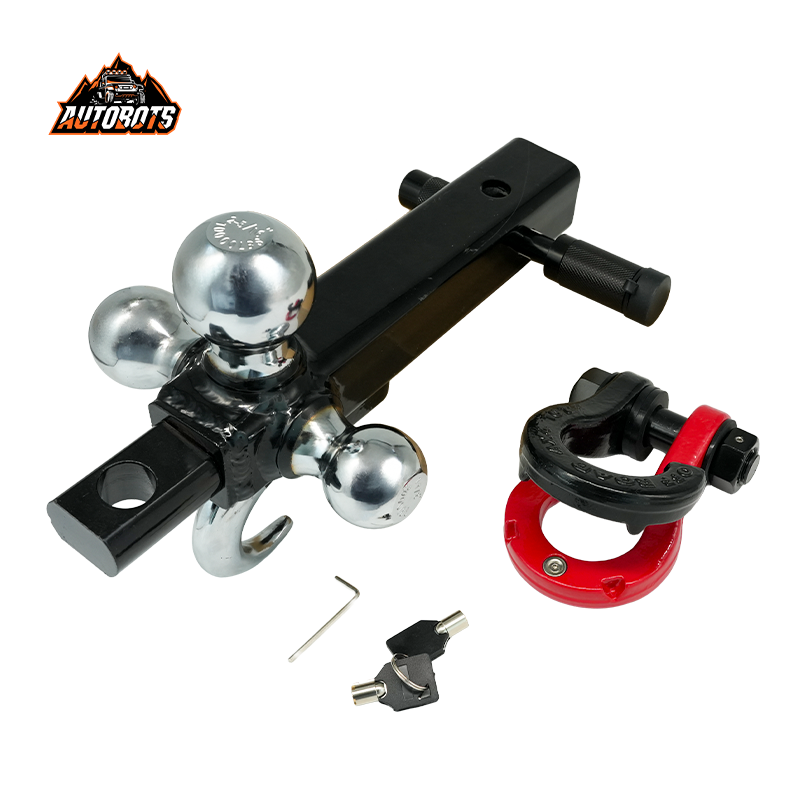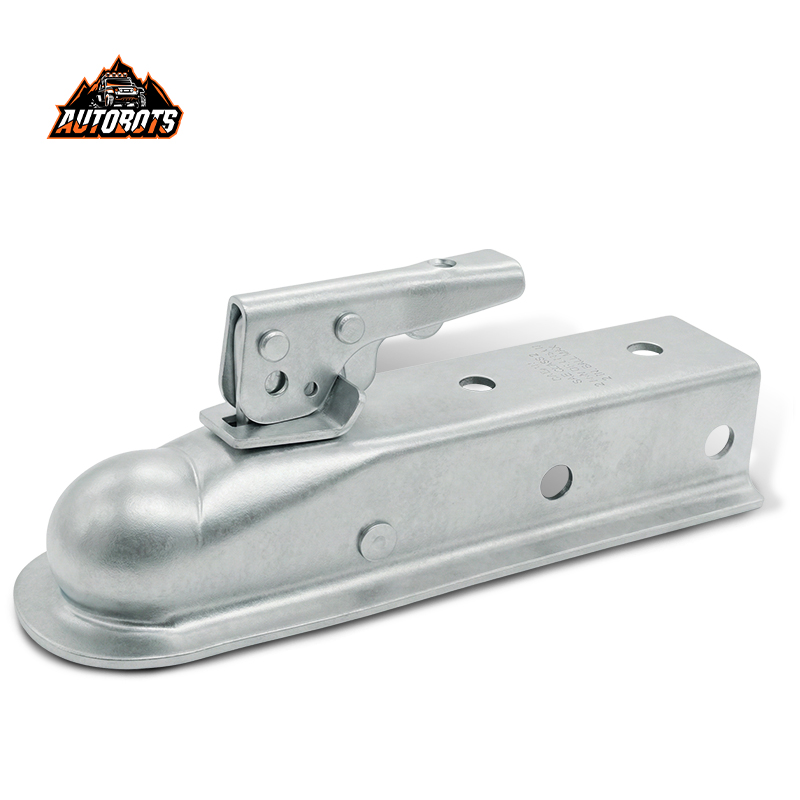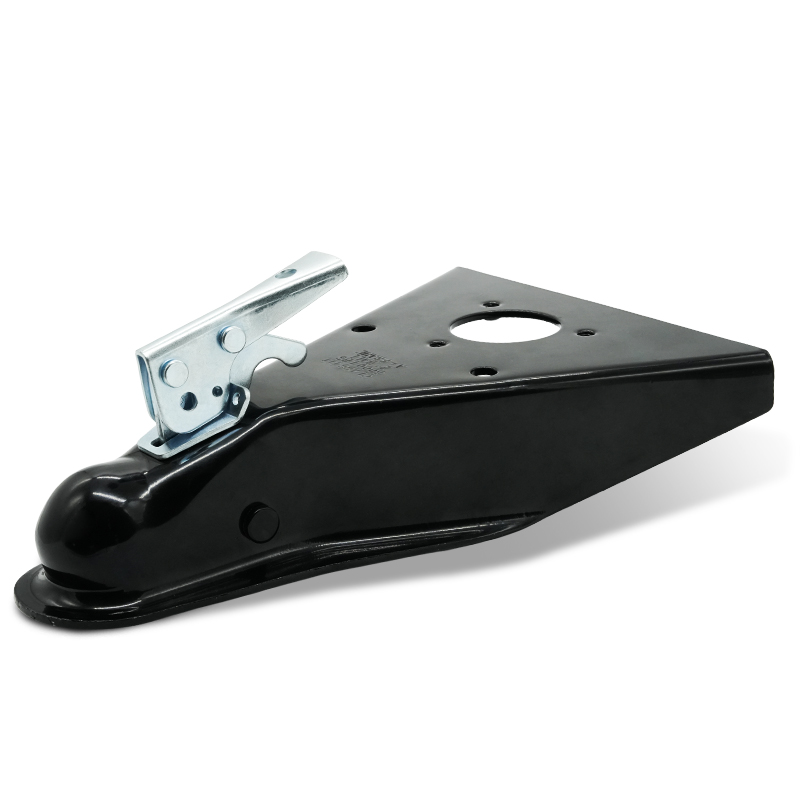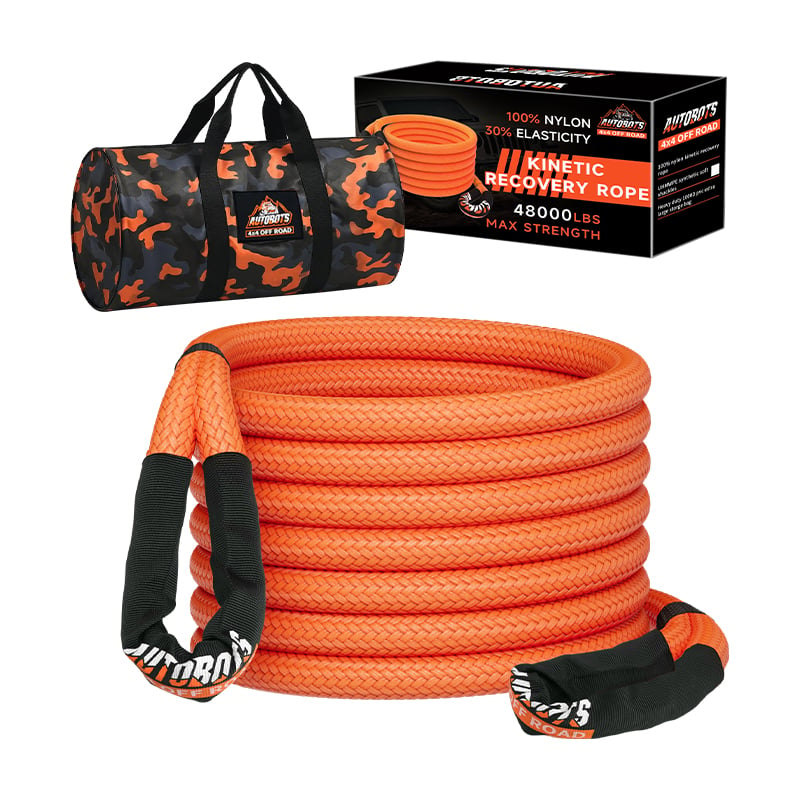

Every container leaves a factory, but not every factory can make container 20 match the sample. For distributors of trailer parts and recovery gear, consistency is the whole business: a batch that arrives with patchy coating, or a hitch that cracks under load, costs far more than the unit price it saved. Our Qingdao plant has run an ISO-certified quality system for over a decade, with manufacturing and export under one roof. This article walks through the seven stages every forged steel part passes, the five inspection gates behind them, and how finished goods are packed and shipped to North America, Australia, Europe and the Middle East.
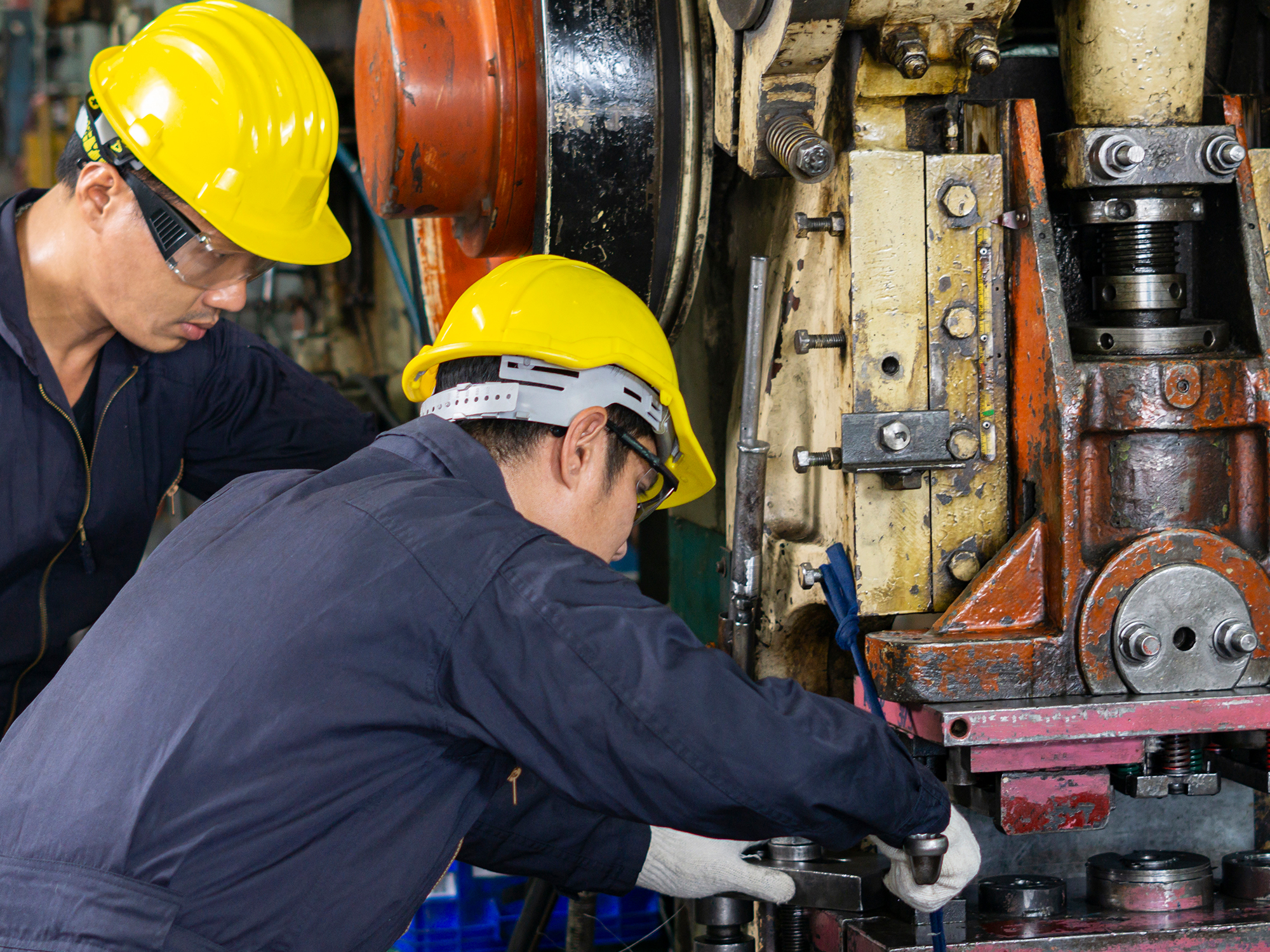
1. Cutting. Every order starts as certified carbon steel plate and bar stock, never scrap or an unknown heat. Blanks are cut to the profile the drawing requires, then stamped with a batch code so a finished part can be traced back to its heat of steel.
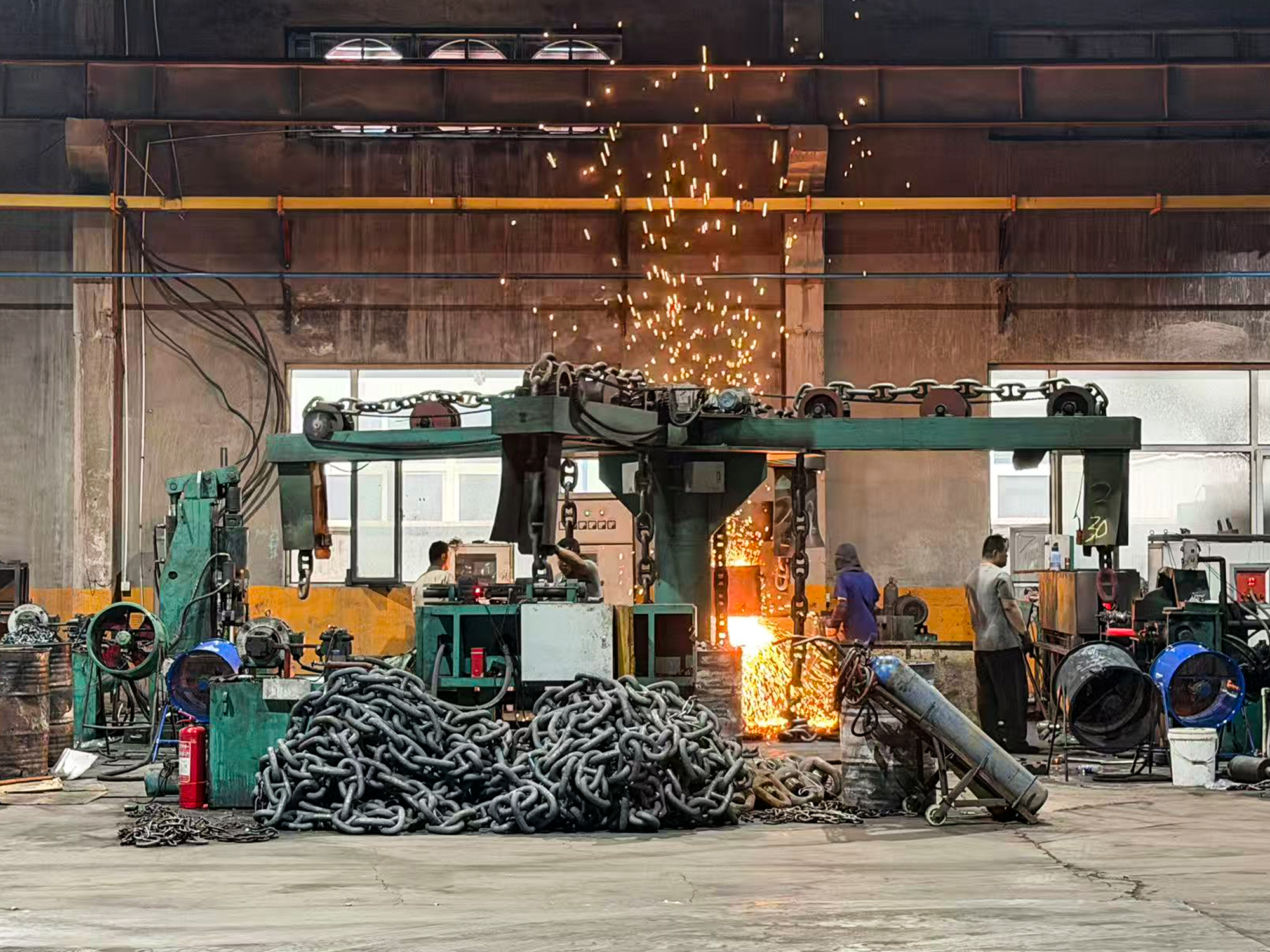
2. Forging. Load-bearing components — shanks, hooks, rings and mounts — are forged rather than welded up from flat stock. Forging aligns the grain flow along the load path, which is what keeps a part stable under a loaded trailer instead of bending at the joint.
3. Grinding and Forming. Operators remove forging flash, dress the edges and form the working surfaces to drawing tolerance. A smooth radius at the stress point is not cosmetic; sharp edges and grinding marks are where fatigue cracks begin.
4. Powder Coating. Parts are degreased, blasted and phosphated before an electrostatic powder layer is applied and oven cured. The coating resists rust, corrosion and UV damage far longer than standard electroplating, and custom colours are available for private label programmes.
5. Inspection. Every batch follows a written inspection plan, measured and recorded against the batch code.
6. Load Testing. Finished parts are proof-loaded before release. Our listings specify 100% finished product testing, and the certification we build to covers SAE J684, CE, GS, ISO 9001, ROHS and EEC.
7. Packaging. Passing units are boxed, labelled and palletised the day they clear testing, so traceability stays unbroken from steel to container.
Incoming material. Mill certificates and dimensional checks on every steel delivery; a heat that misses the drawing specification is rejected before it reaches the press.
Forged shape. Each forged part is measured against the drawing and inspected for cracks, laps and folds — the gate that catches forging problems while they are still cheap to scrap.
Grinding quality. Surfaces are checked for flatness, burrs and radius accuracy. When a customer reports a coating blister, the cause is usually traced here, not on the paint line.
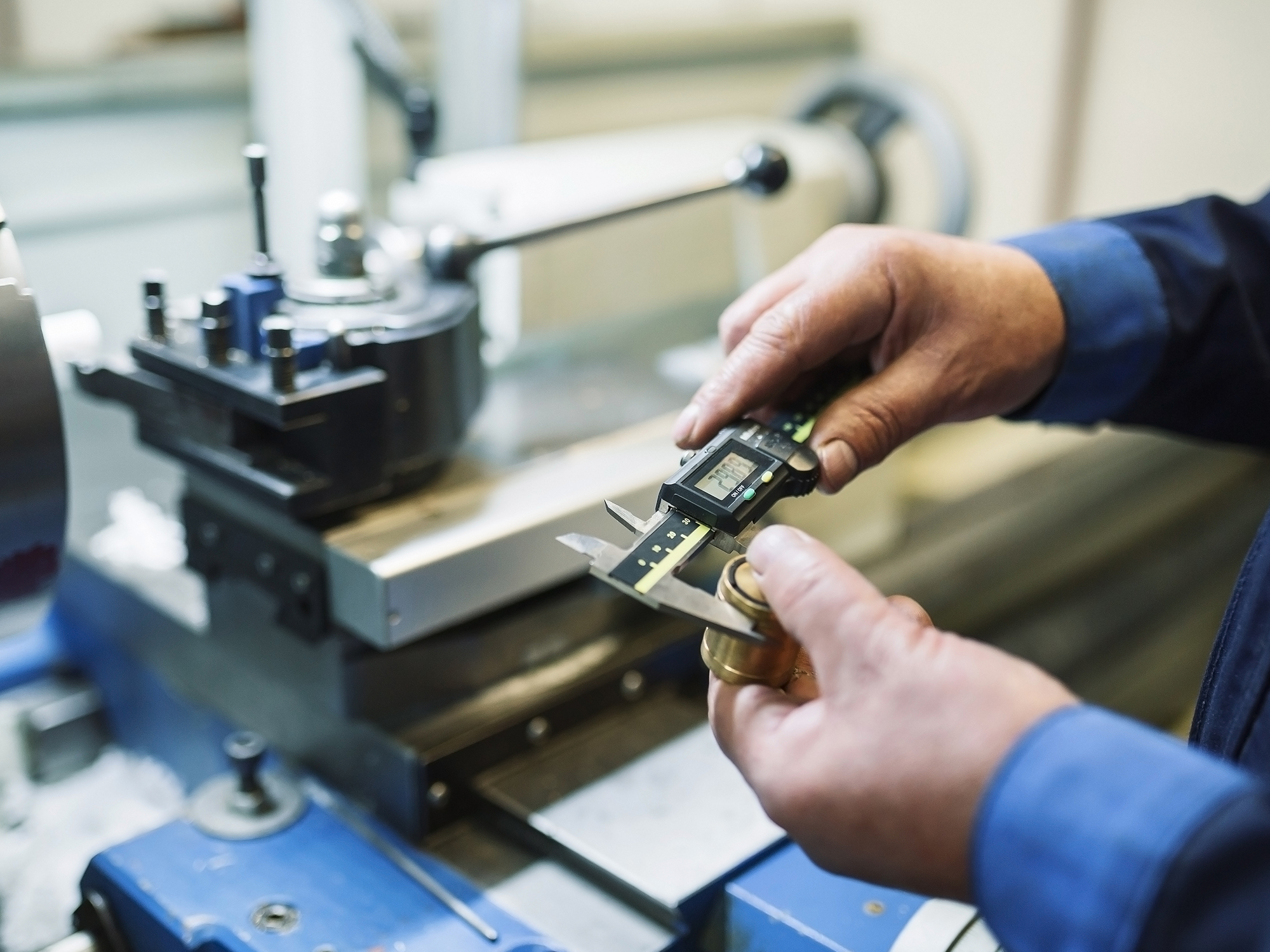
Coating uniformity. Film thickness and coverage are verified across the whole part, including inner faces that are easy to miss. Bare spots and runs fail the batch.
Final load test. Finished parts are pulled to rated capacity. Only units that pass are packed, which is why we can publish a two-year warranty.
| Stage | What we check | Pass standard |
| Incoming steel | Mill certificate, grade, dimensions | Matches drawing specification |
| Forging | Dimensions, cracks, laps, folds | Drawing tolerance, no defects |
| Grinding and forming | Flatness, burrs, radii | Smooth, burr-free surface |
| Powder coating | Film thickness, full coverage | Even film, no bare spots |
| Finished goods | Load test to rated capacity | Pass before packing |
Pro Tip: check pins, fasteners and torque settings before every long haul. Ninety seconds with a torque wrench prevents most complaints and cuts returns.
Buyers in different regions ask for different paperwork. For the models covered by the relevant approvals, production is managed to SAE J684 for the American towing market and to CE, GS and EEC requirements for Europe, on top of an ISO 9001 quality system and ROHS compliance. Certification documents and inspection records sit behind every batch, so an importer can hand them to a retailer or a customs broker without chasing us. Custom body colours, laser engraving and private label packaging are available for distributors who sell under their own brand.
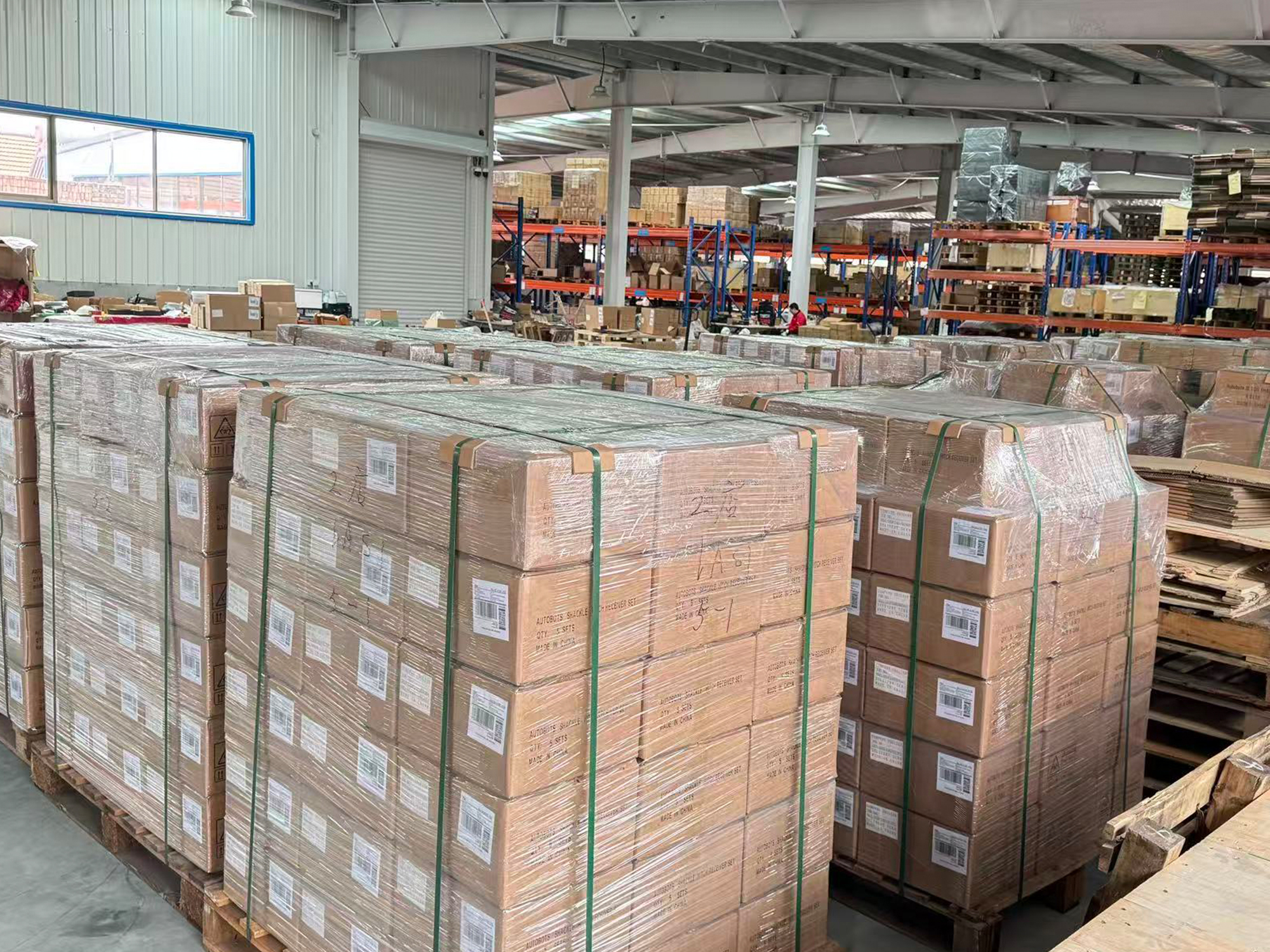
Parts leave the line one piece per colour box or kraft box, then go into a corrugated master carton and onto export pallets. Cartons are strapped and moisture protected, and container loading is planned per SKU so mixed orders arrive in sequence. Urgent programmes ship by express (5–7 days) or air (12–15 days, minimum 22 kg per shipment); volume goes by sea in 20 ft and 40 ft containers. We quote FOB, CFR, CIF, EXW, DDP and DDU, so distributors can land stock without a forwarder.
A part that survives one season is cheap; one that survives seven is stock you can put your name on. Every unit clears the five gates above before it is boxed, which is why a two-year warranty and OEM/ODM customisation come off the same line.
Ready to compare samples? Send us your specifications for a factory-direct quote, lead times and test reports for your market. Wholesale buyers can also browse the towing range, the recovery gear or the rigging hardware lines.
 Hot News
2026-05-29
2026-05-22
2026-05-14
2026-01-29
2026-01-23
2026-01-10
Be the first to get our latest styles and offers.
Building7, Rubber Valley Tower, Qingdao, Shandong, China
Copyright © Qingdao Huilisheng Rigging Hardware Product Co., Ltd. All Rights Reserved - Privacy Policy
 EN
EN