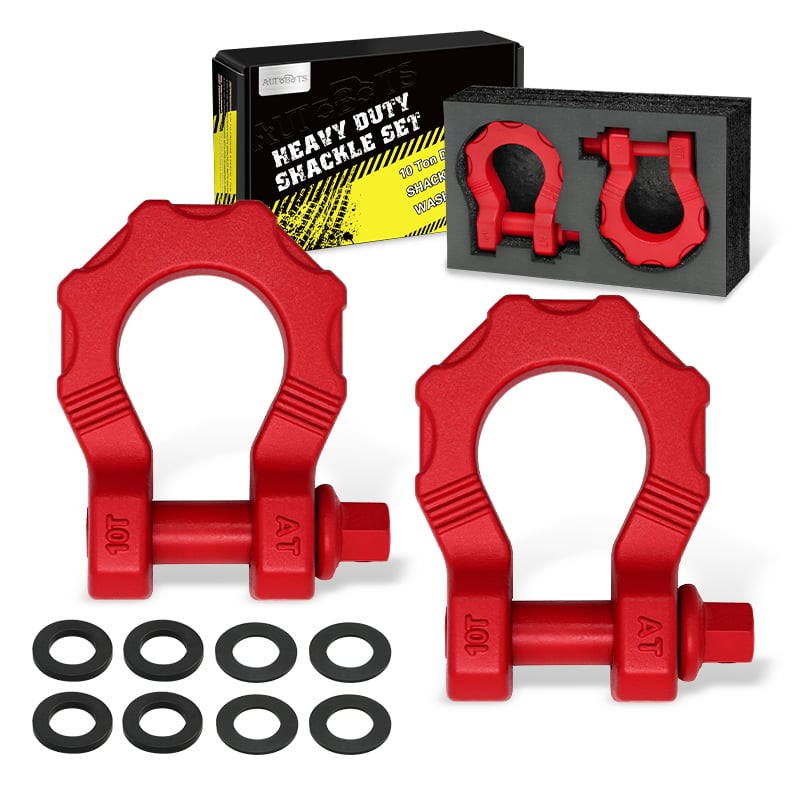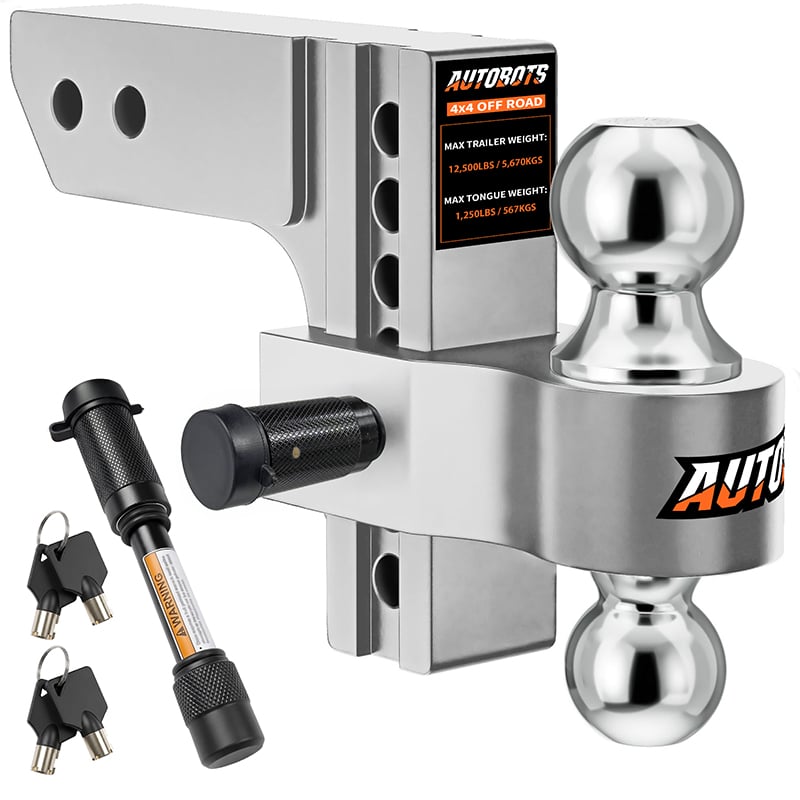

Every empty roof rack tells the same story. The rack is not the problem — hoisting a 60 lb kayak overhead while balanced on a rear tire is. That moment of unbalanced strain is why boats stay on the trailer and weekend plans get shortened. A lift assist roof rack removes it. This guide covers how lift-assist loading works, how to confirm crossbar fitment, what 100 lbs of rated capacity really covers, and the safety checks worth running before every trip. Still building your overland setup? Start with our off road outdoor and camping gear range.
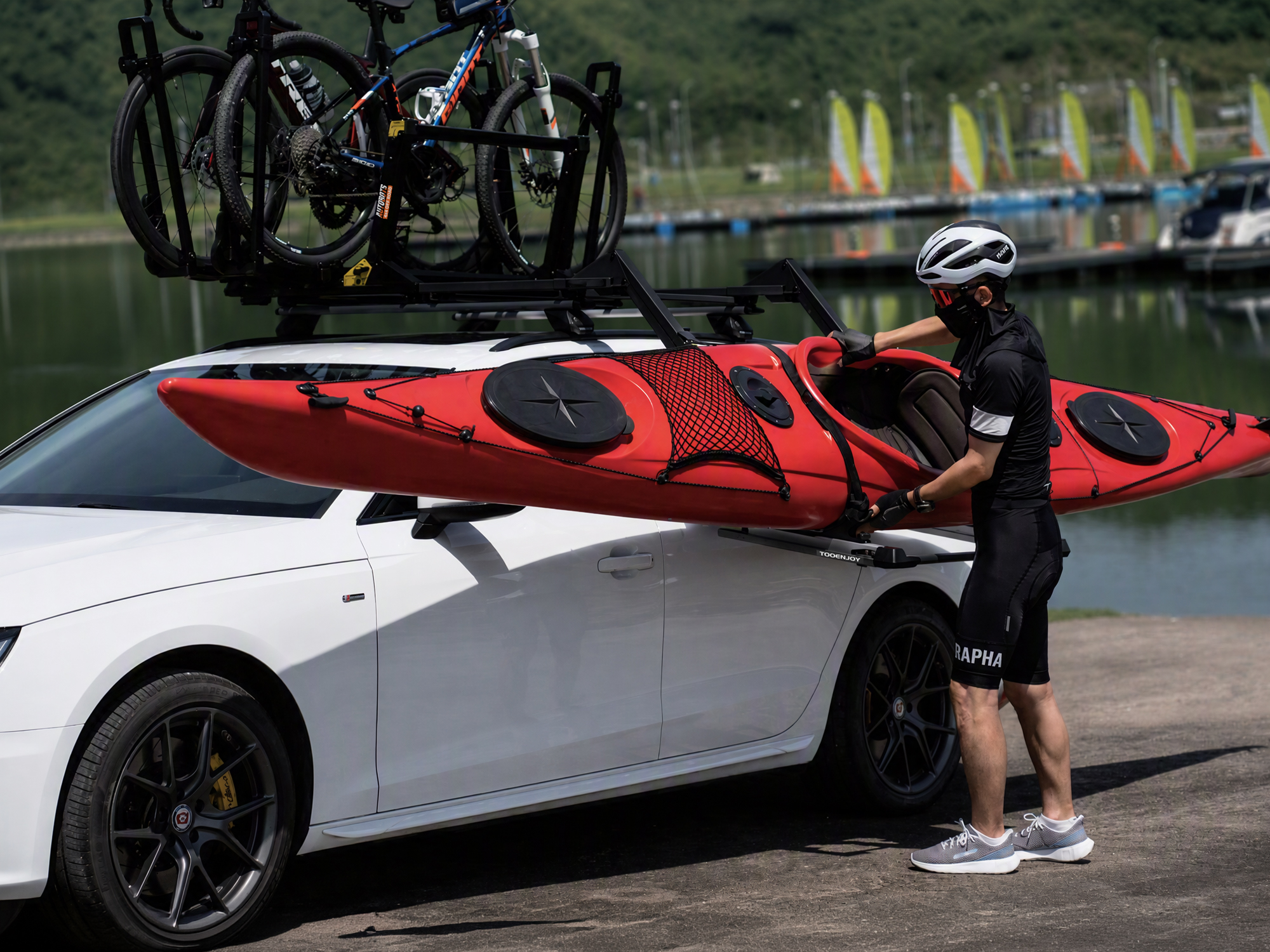
Roof loading fails for three predictable reasons: height, weight distribution and grip. An SUV roof rail sits 6 to 7 ft off the ground, so the payload travels through a zone where you have no mechanical advantage. Add a wet hull, a crosswind or gravel underfoot and the lift becomes a genuine injury risk, while fiberglass hulls collect scratches. The result is a habit most overlanders recognise: the gear that is hardest to load simply stops coming along.
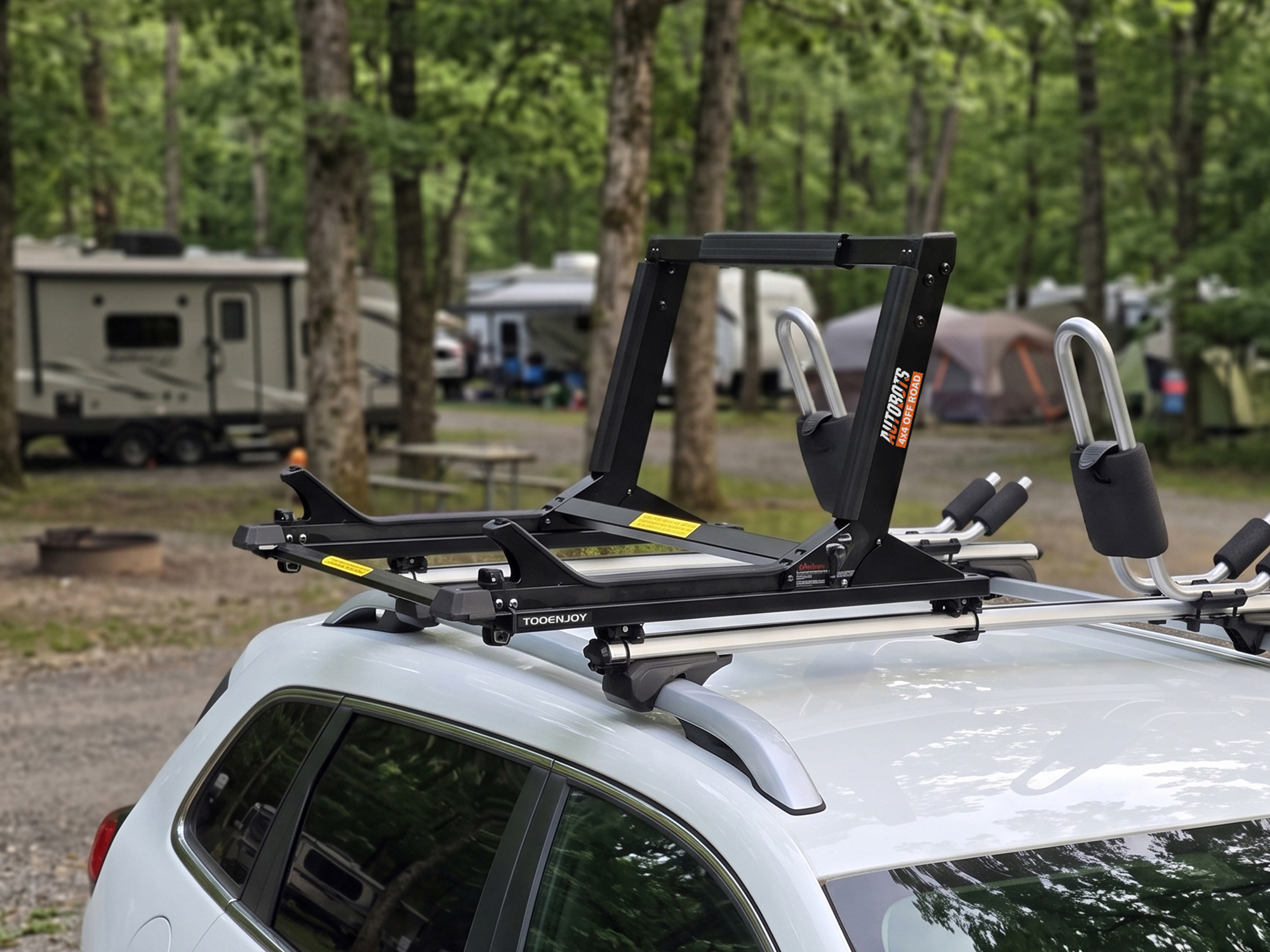
A mechanical lift-assist system, often branded as Smart-Lift, mounts on the roof rack and carries the load for you. Instead of hoisting a kayak overhead, you position the hull at a low, comfortable working height, engage the mechanism, and let it raise and rotate the boat into its cradle. Unloading works the same way in reverse, with the mechanism controlling the descent so nothing drops onto your crossbars, paint or hands. Key features of this design:
· Roof-mount platform sized for kayaks, canoes, SUPs, bikes, snowboards, ladders and cargo boxes
· 100 lbs (approx. 45 kg) load capacity per unit for a single boat or board
· Powder-coated anti-rust finish on a steel frame, built for salt spray and winter road salt
· Dual safety locks that prevent accidental release once the load is seated
· T-slot or U-bolt mounting interface, so one unit fits multiple crossbar profiles
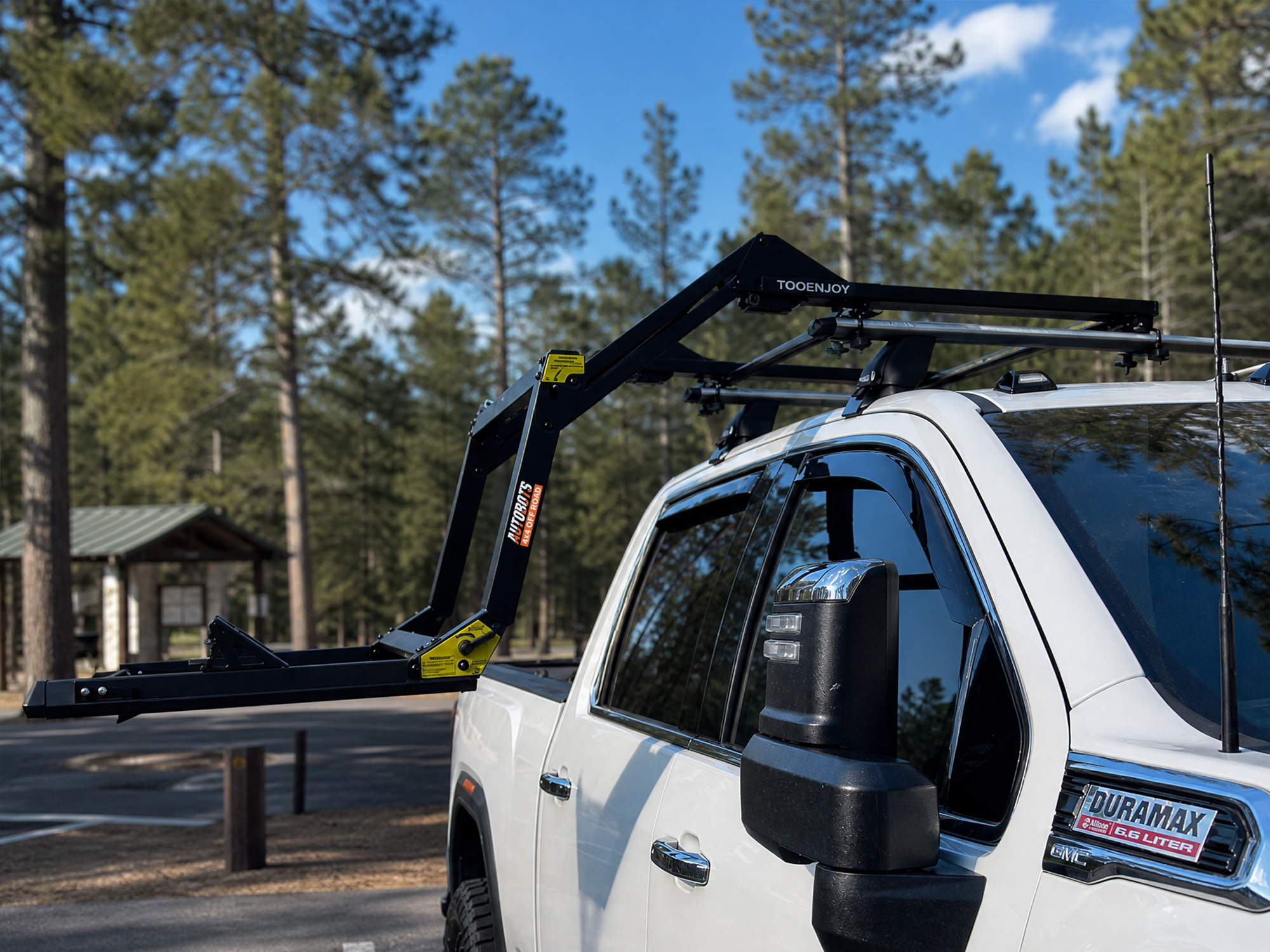
Fitment is where most roof rack purchases go wrong. Measure your crossbar span before ordering — this unit adjusts to approximately 29.76 in (75.6 cm), with an overall footprint of 32.9 x 31.6 x 20.7 in (approx. 835 x 803 x 526 mm). Then confirm your mounting interface: T-slot crossbars use the factory channel, while round or square bars use the supplied U-bolt option. Half-ton and three-quarter-ton trucks carry the assembly easily; compact crossovers should stay inside the vehicle manufacturer's own dynamic roof load rating.
| Loading method | Effort required | Main risk | Best suited to |
| Manual overhead lift | High — the full load travels from ground level | Back and shoulder strain, hull scratches | Light boards under 30 lbs |
| Step stool and slide | Medium — partial lift with a pivot point | Slipping, crossbar abrasion | Long canoes and SUPs |
| Lift-assist system | Low — the mechanism carries the weight | Damage only if the locks are not engaged | Kayaks, SUPs, bikes and cargo boxes up to 100 lbs |
Treat the 100 lbs (45 kg) figure as a working limit, not a target. A touring kayak with hatches and a rudder usually lands between 45 and 65 lbs, while a rigged fishing kayak can reach 80 lbs or more. That still leaves useful margin for a paddle or a dry bag — provided you spread the load across both crossbars instead of concentrating it at one end. Always subtract whatever else lives on the roof, since a cargo box or awning competes for the same dynamic rating. For the vehicle-side load, our cargo securing and lashing tools are the natural companion purchase.
1.Check the locks. Confirm both safety locks are seated before the vehicle moves.
2.Re-check the tie-downs at your first stop — straps settle once the hull seats into its cradle.
3.Verify crossbar torque at the start of each season, then monthly in regular use.
4.Keep the roof clean. Grit under the cradle scratches hulls more often than the mechanism does.
5.Stay under the dynamic rating while driving; stationary loading limits and driving limits differ.
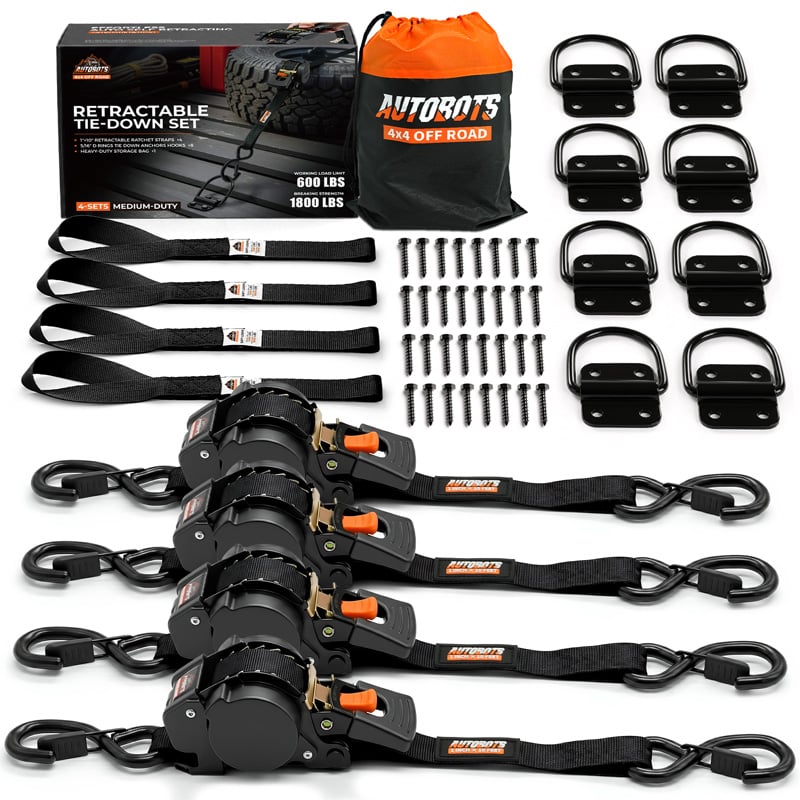
A roof rack only makes sense inside a complete load plan. Pair it with recovery gear for the trail and trailer parts and towing accessories for the tow vehicle, then secure everything with rated ratchet tie down straps rather than whatever is in the toolbox. Buyers who plan the whole system once replace far less hardware later.
Pro Tip: Mark your crossbar position with tape once you find the setting that balances your boat. Repeating that position takes thirty seconds and removes almost all guesswork from loading.
 Hot News
2026-05-29
2026-05-22
2026-05-14
2026-01-29
2026-01-23
2026-01-10
Be the first to get our latest styles and offers.
Building7, Rubber Valley Tower, Qingdao, Shandong, China
Copyright © Qingdao Huilisheng Rigging Hardware Product Co., Ltd. All Rights Reserved - Privacy Policy
 EN
EN